Table of Contents >> Show >> Hide
- What “Saddle Leather” Really Means (and Why It Matters)
- Why Saddle Leather Dining Chairs Are So Popular
- Common Styles of Saddle Leather Dining Chairs
- How to Choose the Right Saddle Leather Dining Chair
- Styling: Making Saddle Leather Dining Chairs Look Expensive (Even If You’re Not Trying)
- Care and Maintenance: Keep the Leather Beautiful (Without Overdoing It)
- Pros and Cons (Because Your Wallet Deserves the Full Story)
- Buying Checklist: Questions to Ask Before You Commit
- Real-Life Experiences: Living With Saddle Leather Dining Chairs (Extra Notes From the “It’s Tuesday Night” Version of Reality)
There are dining chairs that do their job (sit, survive spaghetti night, look fine), and then there are dining chairs
that quietly steal the whole room. A saddle leather dining chair tends to be the second type.
It’s the chair equivalent of a well-made leather belt: simple, confident, and somehow more attractive the more you use it.
But here’s the twist: “saddle leather” can mean a few different things depending on who’s selling it.
Sometimes it’s truly thick, vegetable-tanned leather (the classic, patina-loving stuff associated with saddlery).
Other times it’s a color name (“saddle” as in warm caramel-brown) or a marketing shorthand for “leather-look.”
This guide breaks down what it is, what to look for, how to style it, and how to keep it looking incredible for years.
What “Saddle Leather” Really Means (and Why It Matters)
In the furniture world, saddle leather usually signals a few traits: it’s thicker than typical upholstery leather,
it’s built for durability, and it’s meant to age visiblylike denim, but for your dining room.
Many saddle leathers are vegetable-tanned, a process known for producing leather with structure and character.
Vegetable-tanned leather is often described as firmer and more “body” than chrome-tanned leather, and it can hold shape in a way
that’s useful for straps, slings, and structured seats. That stiffness is part of why saddlery uses it in the first place.
Translation: a saddle leather dining chair can feel supportive rather than squishy. It’s not trying to be a cloud.
It’s trying to be the chair you still love after 2,000 dinners and one overly enthusiastic friend who gestures with a fork.
Saddle leather vs. “saddle-colored” leather
Quick reality check: you can find chairs labeled “chaps saddle,” “saddle,” or “saddle brown” that use
top-grain leather upholstery or a leather blend rather than thick, strap-style saddle leather.
That’s not automatically badtop-grain can be excellentbut the look and aging can differ.
If your dream is dramatic patina and natural markings, you’ll want to dig into the material details.
Why Saddle Leather Dining Chairs Are So Popular
1) They age with personality (a.k.a. patina)
One of the biggest reasons people fall for saddle leather is that it doesn’t stay “factory perfect.”
Natural, minimally coated leathers can darken and mellow with use, sunlight, and everyday life.
Some makers even note that vegetable-tanned saddle leather will patina with exposure and use, showing its history rather than hiding it.
If you like the idea of furniture that tells the truth, saddle leather is your type.
2) They balance warm + modern
Saddle leather has an organic warmth that plays nicely with modern shapesespecially black metal frames,
sculpted silhouettes, or clean-lined wood tables. Many contemporary dining chair designs pair
slim metal bases with warm leather upholstery for that “minimal but not cold” effect.
3) They’re practical for real dining
Dining chairs take daily hits: crumbs, denim dye transfer, the occasional dropped sauce, and constant scooting.
Leather is often chosen because it’s easier to wipe than many fabricsprovided you treat it correctly and avoid soaking it.
Brands and care guides routinely emphasize gentle dusting, quick blotting of spills, and avoiding harsh cleaners.
In other words: leather can be a great “life-proof” choice if you don’t try to clean it like a frying pan.
Common Styles of Saddle Leather Dining Chairs
Upholstered seat + back (classic, versatile)
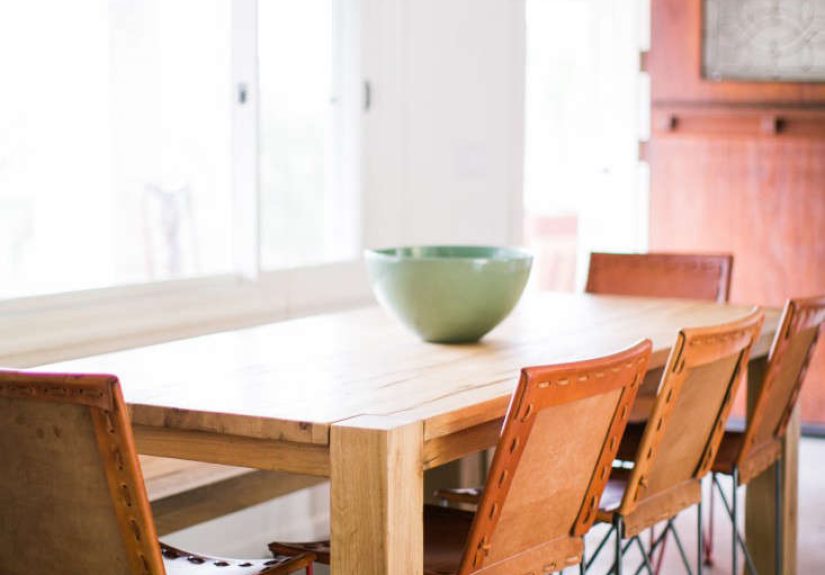
This is the most familiar format: a cushioned seat and back fully upholstered in leather,
often in top-grain leather for a smoother, more uniform look.
It’s a great option if you want leather’s vibe without committing to the “strap-and-sling” aesthetic.
Leather sling or strap construction (the true saddle vibe)
These chairs use thick leather panels or woven straps to create the seat (and sometimes the back).
It’s visually lighter, often slightly springy over time, and very architecturallike your chair is wearing a leather hammock.
Expect the leather to relax a bit with use; that’s normal for natural materials.
Metal frame + leather upholstery (modern edge)
If you love contrast, this is the sweet spot: warm leather against cool steel.
It works beautifully with wood tables (especially walnut or oak) and also looks sharp with stone, concrete,
or glass tops. Bonus: many metal-frame chairs feel visually airy, which helps in small dining rooms.
Wood frame + saddle leather (timeless, organic)
Wood-and-leather chairs lean more Scandinavian, mid-century, or rustic-modern depending on the silhouette.
If your home has a lot of natural textureslinen, wool, ceramics, plantsthis combo fits like it paid rent.
How to Choose the Right Saddle Leather Dining Chair
Start with fit: chair height vs. table height
Comfort is a measurement game before it’s a style game.
Standard dining tables are often around 28–30 inches tall, and chairs commonly pair with
18–23 inch seat heights. A widely used rule of thumb is to keep about
10–12 inches between the top of the seat and the underside of the tabletop for legroom.
If your table has a thick apron or a pedestal base, measure the real clearancebecause thighs do not negotiate.
Then check spacing: how many chairs can you realistically fit?
If you’re planning a set, think like a human Tetris master:
many sizing guides recommend about 24 inches of table width per person,
plus extra space between chairs so elbows aren’t constantly filing complaints.
Some guides suggest leaving around 6 inches between chairs to reduce bumping and scuffs.
If your chairs are wide, upholstered, or have arms, you may need more space.
Pick your leather “personality”
-
Aniline or semi-aniline: more natural-looking, softer hand-feel, more likely to show patinaand also more likely to show stains.
If you love character and don’t panic at a little “lived-in,” this can be perfect. -
Pigmented/protected leather: generally more uniform and more resistant to wear and staining.
If you have kids, pets, or frequent dinner parties where someone always brings red wine “for the vibes,” protected leather can be the calmer choice. -
Thick saddle/strap leather: structured, iconic, and patina-forwardoften with visible natural marks.
Gorgeous, but it asks you to treat it like a natural material (because it is).
Look for construction clues that scream “built to last”
- Joinery: tight seams, consistent stitching, and no loose puckering.
- Frame stability: no wobble; legs sit flat without rocking.
- Leather thickness (for strap styles): thicker leather generally feels more supportive and ages better.
- Edge finishing: clean edges (or well-burnished edges on strap leather) reduce premature wear.
- Replaceable parts: some designs allow leather components to be serviced or tightened as they relax (a huge plus for long-term ownership).
Styling: Making Saddle Leather Dining Chairs Look Expensive (Even If You’re Not Trying)
Match undertones, not exact colors
Saddle leather often reads warm (caramel, cognac, chestnut). You don’t need a perfect match with your wood table.
Instead, match undertones:
warm leather loves walnut, warm oak, and natural stone. Cooler leathers (espresso, charcoal) look sharp with darker stains or blackened finishes.
Mix chair styles without chaos
Want a designer trick? Use saddle leather chairs as the “statement” seatslike at the heads of the table
and keep side chairs simpler (wood, cane, or a quieter upholstery). This creates a curated look without buying a whole matching set.
Use texture to keep the room from feeling flat
Leather is smooth, so pair it with textures that add softness:
a wool rug, linen curtains, matte ceramics, or a chunky wood centerpiece. It’s like seasoning: you want contrast, not monotone.
Care and Maintenance: Keep the Leather Beautiful (Without Overdoing It)
Leather care is mostly about consistency and restraint. Yes, restraint. Over-conditioning is a real thing.
Here’s a simple approach that aligns with common guidance from furniture makers and cleaning experts.
Every week or two: dust + quick wipe
- Vacuum with a soft brush attachment or wipe with a clean, dry cloth to remove dust and crumbs.
- If needed, use a lightly damp cloth (well-wrungno drips) and wipe gently.
When spills happen: blot, don’t rub
Many care guides emphasize the same move: blot immediately with a clean, light-colored cloth.
Rubbing can push liquid deeper or spread it. If you must clean, clean a broader area to avoid creating a “clean spot halo.”
Every 6–12 months: condition (if the leather type calls for it)
General cleaning guidance often recommends conditioning leather periodically to replenish oils and help prevent cracking,
commonly around every six to twelve months, depending on use and climate.
Always test any conditioner in a hidden area firstsome conditioners can darken leather.
Also: confirm whether your leather is aniline, protected, or specialty saddle leather before applying anything.
Protect from extreme heat, sun, and humidity swings
Heat vents, fireplaces, and direct sun can dry leather over time, leading to fading or cracking.
Some furniture care guidance also recommends keeping rooms in a moderate comfort zone for leather
(temperature and humidity), because extremes can contribute to issues like drying or even mold.
Practical takeaway: don’t park leather chairs in direct sun like they’re trying to get a tan.
Leather will tan. It’s literally famous for it.
A note on specialty saddle leather routines
Some makers of vegetable-tanned saddle leather furniture describe a conditioning approach using saddle soap and oils,
noting the leather is often natural with no heavy sealers and will patina with UV and moisture exposure.
If your chair is that type (thick, natural, strap-style), follow the manufacturer’s care guidance closely and go light.
You can always add more later; removing “too much product” is… not a fun hobby.
Pros and Cons (Because Your Wallet Deserves the Full Story)
Pros
- Durability: quality leather can hold up beautifully with regular care.
- Patina: ages into a richer look rather than “wearing out.”
- Easy day-to-day cleanup: crumbs and dust don’t weave into it like fabric.
- Style range: works with modern, rustic, Scandinavian, and industrial interiors.
Cons
- Price: real leather (especially thick saddle-style) costs more upfront.
- Sensitivity (for natural leathers): aniline/strap leathers can show water spots and marks more easily.
- Temperature feel: leather can feel cool in winter and warm in summer (a throw pillow is not the answer, but a light seat pad can help).
- Maintenance mindset: it’s not high-maintenance, but it does reward basic, consistent care.
Buying Checklist: Questions to Ask Before You Commit
- Is “saddle leather” a material description, a color name, or both?
- What leather type is it: aniline, semi-aniline, pigmented, top-grain, full-grain, or strap-style vegetable-tanned?
- What’s the seat height, and what’s your table’s underside clearance?
- How wide is the chair at the seat and at the legs (for spacing and floor scuffs)?
- Is the frame solid wood, metal, or engineered materialsand how is it joined?
- What care routine does the manufacturer recommend (and what do they warn against)?
- Do you want a uniform look, or are you excited by natural marks and patina?
Real-Life Experiences: Living With Saddle Leather Dining Chairs (Extra Notes From the “It’s Tuesday Night” Version of Reality)
Let’s talk about what it’s actually like to own saddle leather dining chairsbecause the showroom version is always spotless,
and your home is… well… inhabited by humans who eat.
Week one: You’ll probably notice the smell first. Real leather has a warm, natural scent that feels oddly “grounding,”
like your dining room just got promoted to “grown-up space.” You’ll also notice how saddle leather looks different throughout the day.
Morning light makes it look honey-toned. Evening light makes it look deeper and richer. It’s basically mood lighting, but built into the chair.
The first “oh no” moment: Someone drips something. It might be water, it might be salad dressing, it might be the universe testing you.
If your chairs use a more protected leather, you’ll wipe it and move on with your life.
If your chairs are natural/strap-style saddle leather, you’ll learn the sacred ritual: blot, breathe, don’t scrub like you’re trying to erase evidence.
This is where saddle leather teaches patiencelike a tiny furniture zen master with excellent posture.
Month one: You’ll start seeing tiny changes. A gentle darkening where hands naturally grab the chair back.
Slight softening where you sit most often (yes, everyone has a “my chair” even if nobody admits it).
If your chair has strap or sling construction, you may notice it relax a touchless “brand new drumhead,” more “comfortable support.”
It’s normal. It’s also kind of the point.
Hosting nights: Saddle leather chairs are sneaky good for entertaining.
They look elevated without feeling precious, and guests tend to find them comfortable for long meals because the leather has a supportive give.
Plus, they photograph beautifullyif you’re the type who takes “casual” dinner pics that are absolutely not casual.
The chairs quietly make everything look intentional, like you planned the whole vibe and didn’t just panic-clean in ten minutes.
Season changes: In dry seasons, leather can feel a little thirstier (less supple).
In humid seasons, it can feel slightly more relaxed. The best part is you don’t need a complicated routinejust keep it away from harsh heat sources,
dust it regularly, and condition only as often as makes sense for your leather type and environment.
Over-conditioning can make leather feel sticky or darker than expected, which is the furniture equivalent of putting on too much cologne.
Nobody wants that.
Two years later: This is when saddle leather chairs really start to pay you back.
The color is richer. The surface has depth. Tiny marks become part of the charm instead of “damage.”
It’s like the chairs stopped trying to look new and started trying to look right.
And unlike a lot of trendy furniture, saddle leather doesn’t suddenly feel outdatedbecause the entire point is timeless materials doing timeless things.
If you want a chair that stays perfectly uniform forever, saddle leather might not be your soulmate.
But if you want a dining chair that looks better the more your life happens around itfamily dinners, birthdays, late-night talks, homework-at-the-table chaos
then a saddle leather dining chair is one of the rare purchases that can feel even more valuable with time.
Which, honestly, is the kind of energy we all want.