Table of Contents >> Show >> Hide
- First: What those numbers really are (and what they are not)
- The plastic numbers cheat sheet: What 1–7 mean
- So… should you avoid any numbers?
- How to use this info in real life (without becoming the Plastic Police)
- A quick recycling reality check: why numbers don’t equal recyclability
- FAQ: The questions everyone asks once they notice the numbers
- Conclusion: Use the numbers as a tool, not a fear machine
- Real-Life Experiences and Lessons (Added ~)
You know that tiny number hiding on the bottom of your takeout containerusually inside a triangle that looks
suspiciously like the recycling symbol? It’s basically the plastic version of a “name tag,” not a “grade.”
And yes, it can help you make smarter choices… as long as you don’t treat it like a horoscope.
In this guide, we’ll decode what plastic numbers 1–7 actually mean, how they relate (and don’t relate) to
recyclability, and which types are worth being more cautious aboutespecially when food, heat, and daily habits
enter the chat.
First: What those numbers really are (and what they are not)
The numbers on plastic items are called Resin Identification Codes (often shortened to
RICs). They identify the type of plastic resin used to make the productmainly so
recycling facilities can sort plastics more efficiently.
Here’s the big myth-buster: the number does not automatically mean the item is recyclable.
Many plastics carry a resin number but still can’t be recycled in most local programs because there isn’t a
practical sorting method, there’s no market for that material, or the item shape (like clamshells or film)
causes problems.
Also, the number alone is not a “safety label.” Plastic safety depends on how it’s used:
heat, scratches, time, fatty foods, harsh dishwashers, and the additives used in manufacturing can matter as much
as the base resin.
The plastic numbers cheat sheet: What 1–7 mean
Think of this as your “quick read” for the bottom of bottles, tubs, and containers. I’ll include typical uses,
how recycling usually works in the U.S., and practical food-use notes.
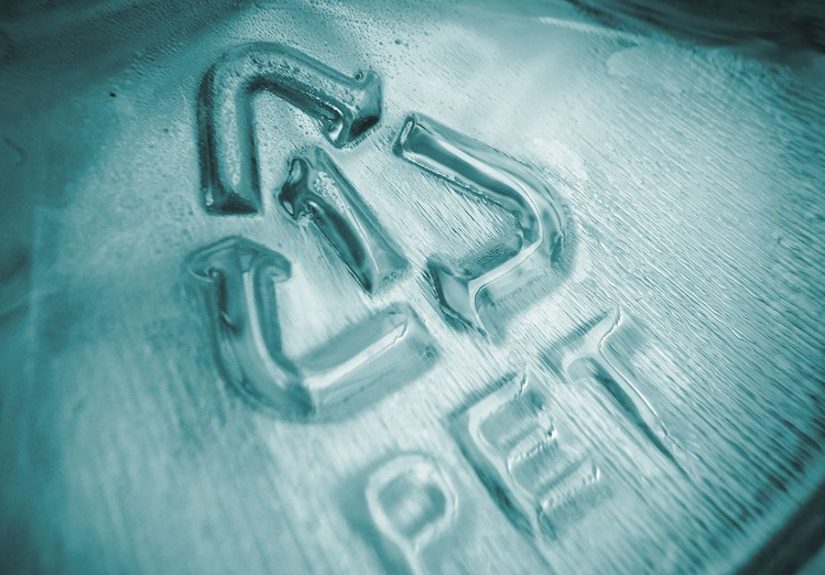
#1 PET or PETE (Polyethylene Terephthalate)
Where you see it: Most single-use water bottles, soda bottles, some salad dressing bottles,
peanut butter jars (sometimes), and clamshell food packaging.
Recycling: Often accepted curbside when it’s a bottle/jug shape; clamshells vary widely by
community.
Food/use notes: PET is common for cold beverages and food packaging, but it’s generally
considered a “single-use” material. Reusing a flimsy PET bottle for days on end isn’t idealespecially if it
gets warm in a car or repeatedly washed (it’s not designed for that).
#2 HDPE (High-Density Polyethylene)
Where you see it: Milk jugs, detergent bottles, shampoo bottles, some reusable food containers,
and thicker grocery bags.
Recycling: One of the most commonly accepted and successfully recycled plastics in U.S. programs.
Food/use notes: HDPE is widely used for food packaging and tends to be a reliable choice for
cold or room-temp storage. It’s tough, less likely to crack, and popular for jugs and sturdy containers.
#3 PVC (Polyvinyl Chloride)
Where you see it: Pipes, vinyl flooring, some clear food wrap, some squeeze bottles, blister
packaging, and certain household goods like shower curtains.
Recycling: Not commonly accepted curbside; difficult and costly to recycle.
Food/use notes: If you’re going to “avoid a number,” this is one many experts flag for
cautionespecially for food contactbecause PVC can involve additives (like plasticizers) and is not a great
match for heat. If you can choose alternatives for food storage, this is a sensible place to start.
#4 LDPE (Low-Density Polyethylene)
Where you see it: Bread bags, produce bags, squeezable bottles, some food wraps, and many
flexible lids or liners.
Recycling: Often not accepted in curbside bins as “film,” but may be recyclable through store
drop-off programs (depending on your area and the specific film type).
Food/use notes: LDPE is common in flexible packaging and is generally used for cold storage
and wrapping. It’s not usually intended for high heat (like microwaving) unless the product is clearly labeled
for that use.
#5 PP (Polypropylene)
Where you see it: Yogurt and sour cream tubs, reusable food storage containers, many microwave-safe
meal-prep containers, medicine bottles, and bottle caps.
Recycling: Acceptance has improved over time, but it still varies by municipality.
Food/use notes: Polypropylene is often considered one of the better choices for food containers,
especially when heat is involvedif the container is labeled microwave-safe and used as intended.
It has a higher heat tolerance than many common plastics, which is why you see it in meal-prep containers so often.
#6 PS (Polystyrene)
Where you see it: Foam cups and takeout clamshells (“Styrofoam” is a brand name), disposable
plates, some cutlery, and rigid clear plastic cutlery/containers in some cases.
Recycling: Not commonly accepted curbside; lightweight foam is difficult to collect and process.
Food/use notes: This is another one many people choose to limitespecially for hot food.
Even when it’s convenient, foam + heat + time is not a combination most people want to make a lifestyle.
If you’re picking “avoid numbers” for food contact, #6 is often on the shortlist.
#7 Other (a mixed bag of plastics)
Where you see it: Large water cooler jugs, some reusable bottles, some baby products (older),
certain clear rigid plastics, bioplastics, and mixed-material items.
Recycling: Varies widely; many #7 items are not accepted because “Other” isn’t a single resin type.
Food/use notes: #7 isn’t automatically “bad.” It’s just not specific. Historically, some #7
plastics included polycarbonate, which has been associated with BPA concerns.
Many newer products are marketed as BPA-free, but #7 still signals: “Look closer.” If it’s a frequently used
bottle or food container, choosing glass, stainless steel, or a clearly labeled food-grade plastic can simplify
your life.
So… should you avoid any numbers?
If you want a practical, low-drama approach, try this:
Use the numbers to guide habits, not to trigger panic. Most of the risk-reduction advice around
plastics has less to do with “a single cursed number” and more to do with heat and wear.
A sensible “caution list” for food use
- Be cautious with #3 (PVC) for food contact when you have alternativesespecially with heat.
- Limit #6 (polystyrene), particularly for hot foods and drinks.
-
Treat #7 as “inspect further”especially if it’s a clear, rigid reusable container or bottle
that will be heated, washed a lot, or used daily.
Plastics that are commonly considered more “everyday friendly”
- #2 (HDPE) for sturdy bottles/jugs and many food packaging uses
- #4 (LDPE) for wraps/bags (mostly cold use)
- #5 (PP) for many reusable, heat-tolerant food containers (use as labeled)
Notice I said “commonly considered,” not “guaranteed.” Plastics aren’t just resinthey’re resin plus additives,
dyes, stabilizers, fillers, and whatever the product has been through (hello, scratched-up container that’s been
microwaved 400 times).
How to use this info in real life (without becoming the Plastic Police)
1) Don’t heat plastic unless it’s clearly meant for heat
If a container is labeled microwave-safe, follow the instructions (like venting the lid). If it’s not labeled,
assume it’s not meant for heat. Heating can increase the chance of chemicals migrating into foodespecially oily
or acidic foods.
2) Retire old, cloudy, or heavily scratched containers
Scratches increase surface area and can make plastics harder to clean well. If a container looks like it lost a
fight with a fork, it might be time for a graceful exit.
3) For hot, fatty, or long storage: choose “boring and stable”
Soups, sauces, and leftovers with lots of oil tend to be better candidates for glass or stainless steel. If
plastic is what you have, #5 is often a popular choice for reusable food containers because it handles warmth
better than many others (again: use as labeled).
4) Don’t assume the triangle means “recyclable here”
Local recycling rules vary. Many communities accept bottles and jugs but reject tubs, clamshells, films, and
foameven if they have a resin number. When in doubt, check your local program’s accepted items list.
5) If you’re buying a reusable bottle, look beyond the number
Consider: Is it dishwasher-safe? Does it hold odor? Is it designed for heat? Is it clearly labeled BPA-free (if
that matters to you)? Is it stainless steel or glass (easy mode)? The “best” bottle is the one you’ll actually
keep using without turning it into a science experiment.
A quick recycling reality check: why numbers don’t equal recyclability
Recycling depends on collection, sorting, processing, and whether there’s a buyer for the recycled material.
In many places, #1 (PET) and #2 (HDPE) bottles are the most consistently recycled because the
infrastructure and end markets are more established.
Plastics #3–#7 are often less likely to be recycled at scaleeither because they’re made with
complex additives, they’re hard to sort, they contaminate other plastics, or there’s not enough demand to make
recycling financially viable.
FAQ: The questions everyone asks once they notice the numbers
Does “BPA-free” mean “problem-free”?
It means BPA is not intentionally used in that product, but it doesn’t automatically tell you what replaced it
or how the product behaves under heat and wear. If you want the simplest “set it and forget it” option for hot
liquids, glass or stainless steel is hard to beat.
Are all #7 plastics bad?
No#7 just means “Other.” Some are perfectly fine for their intended use. The catch is you can’t tell which
resin it is from the number alone, so it’s a prompt to check labels and use common sense with heat.
Do the numbers tell me if a plastic contains recycled content?
Nope. The resin number identifies the type of plastic, not whether it’s made with recycled material.
Recycled-content claims are usually labeled separately.
Conclusion: Use the numbers as a tool, not a fear machine
The numbers on plastics are resin IDshelpful for understanding what you’re holding, but not a simple “safe vs.
unsafe” scoreboard. If you want the biggest payoff with the least stress, focus on a few high-impact habits:
avoid heating plastics that weren’t designed for heat, replace scratched-up containers, and treat #3 and #6 as
“use alternatives when you can,” especially for food. For daily food storage, many people lean toward #2, #4,
and #5while remembering that the label, condition, and intended use matter just as much as the number.
Real-Life Experiences and Lessons (Added ~)
If you’ve ever stood in your kitchen holding a leftover container like it’s a mysterious artifact from an
ancient civilization, you’re not alone. The plastic-number journey usually starts the same way: someone notices
a “5” on the bottom of a container, someone else says “Is that good or bad?”, and suddenly everyone is
squinting at Tupperware like it’s trying to confess something.
The Takeout Container Trap
A common moment: you bring home steaming-hot noodles in a lightweight plastic box, then decide to microwave the
leftovers in the same container the next day. It feels efficientalmost heroic. But this is where the “use as
intended” idea matters. Many takeout containers weren’t designed for repeated heating, dishwashing, or long-term
reuse. People often learn this the hard way when the container warps, gets cloudy, or starts smelling like an
onion memoir. In situations like this, a simple habit shift helps: transfer hot food into a heat-safe dish for
reheating, then store leftovers in a container that’s actually meant for repeated use.
The Microwave Salsa Incident
Another classic: reheating tomato-based sauces in plastic. Acidic foods (like tomato sauce) and oily foods
(like cheesy dips) can be tougher on plastic during heating. Lots of households have a story where a red sauce
permanently dyed a container, or the container seemed “off” afterward. It’s not just a cosmetic crime sceneheat,
acidity, and oil are exactly the conditions people try to minimize when choosing plastics. Many end up keeping a
few glass containers specifically for sauces, soups, and anything that stains like it has a personal vendetta.
The “Reusable Water Bottle That Turned Into a Science Project”
Reusable bottles are greatuntil one gets forgotten in a backpack, a hot car, or the corner of a gym bag.
Suddenly, the question isn’t “What number is this?” but “Should this be allowed to exist?” This is one reason
people often prefer stainless steel or glass for daily bottles: they’re easier to deep-clean, don’t hold odors as
stubbornly, and don’t make you wonder whether the plastic has aged out of its comfort zone. If plastic is the
go-to, many households choose sturdier bottles with clear care instructions (dishwasher-safe, BPA-free labeling,
and designed for repeated use) rather than reusing single-use bottles indefinitely.
The Recycling Bin Reality Check
There’s also the moment when someone confidently tosses a plastic clamshell into recycling because it has a
triangle and a number… only to learn later that the local program rejects clamshells, films, or foam. This is
where the resin code becomes genuinely useful, not as a promise but as a clue. People often create a “cheat
habit” over time: bottles and jugs usually go in; flimsy films go to store drop-off (if available); foam often
goes in trash unless a specialty program exists. It’s not perfect, but it’s smarter than recycling by vibes.
The Low-Stress System That Actually Sticks
The most successful approach tends to be simple: keep a small set of containers you trust for food (many choose
sturdy polypropylene-style meal prep containers or glass), use plastics for cold storage when they’re in good
shape, and avoid heating questionable plastics. Over time, the numbers become less like a scary code and more
like a quick “FYI” labelhelpful, practical, and definitely not worth losing sleep over.