Table of Contents >> Show >> Hide
- What Is Salsa Picante, Exactly?
- Ingredients That Make Salsa Picante Actually Taste Amazing
- Equipment and Prep (A.K.A. Your Salsa Control Panel)
- Salsa Picante Recipe (Roasted Tomato + Chile de Árbol)
- Heat Control Like a Grown-Up (Without Fear-Sweating)
- Flavor Variations (Because Salsa Has Moods)
- How to Serve Salsa Picante (Beyond Chips)
- Storage and Food Safety (Keep It Fresh, Keep It Tasty)
- Fixes and Troubleshooting (Salsa Emergency Hotline)
- Conclusion
- Experiences and Lessons From Real-Life Salsa Picante Moments (Extra )
There are two kinds of people in the world: those who keep salsa in the fridge, and those who are currently out of salsa and therefore living in chaos. If you’re here for a salsa picante recipe that’s spicy, bright, smoky, and just the right amount of addictive, welcome. We’re making a bold, homemade hot salsa that tastes like the best Mexican restaurant basket-of-chips moment except you don’t have to tip anyone (unless you want to tip yourself for making it).
This recipe leans into a classic “char the good stuff, blend it up, taste, adjust, repeat” method. The result: a salsa picante that can be smooth or chunky, medium-hot or “I can’t feel my lips,” and perfect on tacos, eggs, grilled meat, or straight off a spoon at 11:47 p.m. (No judgment. That’s a safe space spoon.)
What Is Salsa Picante, Exactly?
“Salsa picante” literally means “spicy sauce,” and it’s more of a vibe than a strict rulebook. In practice, it usually refers to a hotter salsa than your average mild tomato salsa, often built from: tomatoes (or tomatillos), chiles (fresh, dried, or both), aromatics like onion and garlic, and an acid like lime. It can be fresh (uncooked) or cooked/roasted for deeper flavor.
Think of salsa picante as the friend who shows up to the party with a speaker and a lime wedge: instantly more fun, slightly louder, and somehow makes everything taste better.
Ingredients That Make Salsa Picante Actually Taste Amazing
Great salsa is mostly about balance: heat + acid + salt + sweetness + aroma. You don’t need a pantry the size of a Costco aisleyou just need smart choices.
Tomatoes: Fresh, Roma, or Fire-Roasted
Roma tomatoes are popular because they’re meaty and less watery, which helps you avoid “tomato soup salsa.” If it’s not peak tomato season, using fire-roasted canned tomatoes can deliver surprisingly smoky, consistent flavor.
Chiles: Pick Your Heat Personality
- Jalapeño: medium heat, classic salsa flavor.
- Serrano: hotter, greener bite. Great when you want more punch without changing the flavor too much.
- Chile de árbol (dried): sharp, clean heat. Toast it lightly for extra depth.
- Chipotle in adobo: smoky, rich, and a little sweetperfect for “BBQ-meets-salsa” energy.
- Habanero: fruity and fierce. Use carefully unless your goal is to sweat through your socks.
Onion + Garlic: The Flavor Bassline
White onion is traditional for many salsas, but yellow or red works too. Garlic becomes sweeter and more mellow when roastedlike it went to therapy and came back calmer.
Acid + Salt: The “Make It Pop” Duo
Lime juice brightens and sharpens everything. Salt is non-negotiable: it turns “meh” into “MORE CHIPS, PLEASE.” If your salsa tastes flat, it’s almost always an acid/salt issue.
Cilantro: Optional, but Iconic
If you love cilantro, add it at the end for a fresh hit. If cilantro tastes like soap to you, skip it and use a little chopped green onion or parsley. Your salsa should bring joy, not dish detergent flashbacks.
Equipment and Prep (A.K.A. Your Salsa Control Panel)
- Blender or food processor: for smooth, restaurant-style salsa or quick pulsing for chunky.
- Sheet pan + broiler (or a skillet/comal): for charring tomatoes, onion, garlic, and chiles.
- Tongs: because flipping blistered peppers with a fork is how small kitchen tragedies begin.
- Gloves (optional but smart): if you’re handling hot chiles and plan to touch your face ever again.
Salsa Picante Recipe (Roasted Tomato + Chile de Árbol)
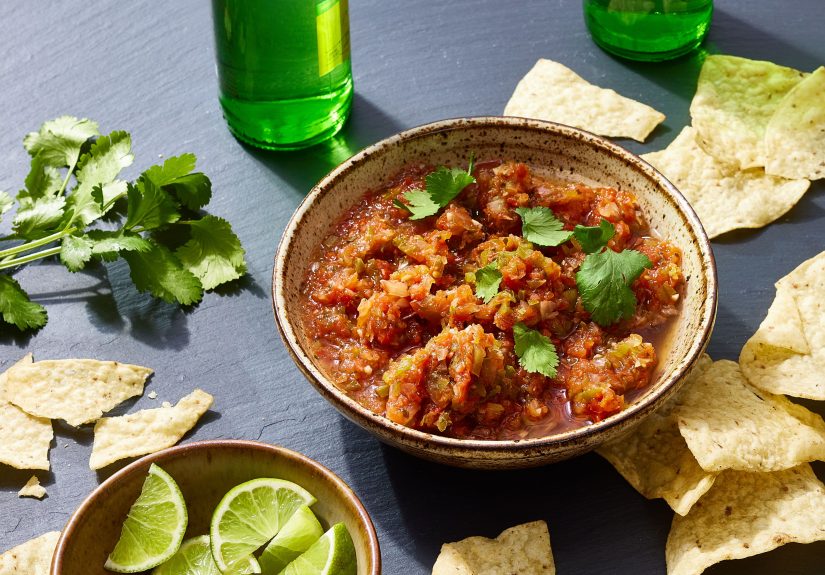
This is my favorite “everyday hot salsa” formula: roasted tomatoes for smoky sweetness, fresh chile for brightness, dried chile for a cleaner, sharper heat, and lime to keep it lively.
Ingredients (Makes about 2 to 2½ cups)
- 6 Roma tomatoes, halved lengthwise (or 4 large tomatoes, cut into thick slices)
- 1 small white onion, quartered
- 4 cloves garlic, unpeeled
- 1–2 jalapeños or serranos (start with 1 if you’re cautious)
- 3–6 dried chiles de árbol (3 = medium-hot, 6 = spicy-hot)
- ½ cup loosely packed cilantro (optional)
- 2–3 tablespoons fresh lime juice (about 1–2 limes)
- ¾–1 teaspoon kosher salt, plus more to taste
- ¼ teaspoon ground cumin (optional, but great)
- 2–4 tablespoons water, as needed for blending
Step-by-Step Instructions
- Char the vegetables. Set your broiler to high. Place tomatoes (cut side up), onion, jalapeños/serranos, and garlic (still in peel) on a sheet pan. Broil until the tomatoes and onions are blistered and dark in spots, about 10–18 minutes. Flip peppers halfway through so they char on multiple sides.
- Toast the dried chiles (quickly!). While the pan broils (or right after), warm a dry skillet over medium heat. Toast chiles de árbol for 15–30 seconds per side until fragrant and slightly darkened. Don’t let them burnburnt árbol tastes bitter, like regret.
- Peel garlic and blend. Once cool enough to handle, slip garlic out of its peel. Add roasted tomatoes, onion, garlic, and peppers to a blender or food processor. Add toasted chiles de árbol (start with fewer if you’re unsure), lime juice, salt, cumin (if using), and a splash of water.
- Blend to your texture. Pulse for chunky salsa or blend for smoother salsa. If it’s too thick, add water 1 tablespoon at a time. If it’s too thin, don’t panicsee “Fixes” below.
- Add cilantro last (optional). Stir or pulse cilantro in at the end so it stays bright and fresh.
- Taste and adjust like a pro. Need more punch? Add salt or lime. Want more heat? Add another toasted árbol or a bit more fresh chile. Want it smokier? Add a spoon of fire-roasted canned tomato or a tiny bit of chipotle (see variations).
- Rest before serving. Let salsa sit 15–30 minutes in the fridge so flavors mingle. Salsa is a social food; it improves after it meets itself.
Heat Control Like a Grown-Up (Without Fear-Sweating)
Spice is personal. Your “perfect heat” might be your friend’s “why is my scalp tingling?” Use these tricks to control the burn without losing flavor.
Use the chile “volume knob”
- Mild-ish: 1 jalapeño (seeded) + 1–2 chiles de árbol
- Medium: 1 serrano (partially seeded) + 3 chiles de árbol
- Hot: 2 serranos + 5–6 chiles de árbol
Seeds and ribs: remove for less heat
Most of the heat lives in the inner ribs (pith) and the seeds hanging around them. Scrape those out for a gentler salsa. Leave them in for a spicier ride.
Toast dried chiles lightly
Light toasting adds depth; burning adds bitterness. If you smell anything like “campfire tire,” start over with new chiles.
Flavor Variations (Because Salsa Has Moods)
1) Smoky Chipotle Salsa Picante
Add ½ to 1 chipotle pepper in adobo (plus 1 teaspoon adobo sauce). This creates a smoky, deep salsa that’s incredible on burgers, grilled chicken, and breakfast burritos.
2) Salsa Roja With Dried Chiles (Deeper, More Complex)
If you want a richer red salsa, swap some árbol for dried ancho/guajillo/pasilla (soaked in hot water until pliable). These chiles add body, color, and a slightly sweet complexity.
3) “No Fresh Tomatoes?” Pantry-Friendly Salsa
Use a can of fire-roasted tomatoes, broil just the onion/garlic/fresh chile, and blend. You’ll still get that charred vibe with less seasonal drama.
4) Green Salsa Picante (Salsa Verde Energy)
Swap tomatoes for tomatillos, keep the roasted onion/garlic, and use serranos for heat. Lime and salt still do the heavy lifting.
How to Serve Salsa Picante (Beyond Chips)
- Tacos: carnitas, chicken, steak, fishsalsa picante makes everything taste like it got invited to a better party.
- Eggs: scrambled, fried, breakfast tacos, huevos rancherossalsa is basically morning confidence.
- Chilaquiles: simmer tortilla chips in salsa, top with eggs, cheese, crema, and whatever leftovers you love.
- Grilled meats: spoon over carne asada, pork chops, or shrimp.
- Soups and beans: swirl into black beans or chicken soup for instant “I cooked all day” flavor.
Storage and Food Safety (Keep It Fresh, Keep It Tasty)
Store salsa picante in an airtight container in the refrigerator. For best flavor, aim to use it within 3–4 days. Some batches can last up to about 5 days depending on ingredients and handling, but freshness drops fast once it’s been repeatedly “chip-dipped.” If it smells off, looks fizzy, or tastes weird, toss it.
Freezing works, especially for cooked/roasted salsas: portion into freezer-safe containers and freeze up to 2–3 months. Thaw in the fridge and stir welltexture may soften, but flavor usually holds up.
Want shelf-stable salsa? Use a properly tested canning recipe and method. “I added extra lime and vibes” is not a safe preservation plan.
Fixes and Troubleshooting (Salsa Emergency Hotline)
My salsa is too spicy
- Blend in more roasted tomato or a bit of canned fire-roasted tomato.
- Add more lime and a pinch more salt to rebalance.
- Serve with creamy sides (avocado, crema, sour cream) to soften the heat perception.
My salsa tastes flat
- Add salt in small pinches and taste each time.
- Add lime juice a teaspoon at a time.
- Try a tiny pinch of cumin or a small clove of raw garlic for lift (careful: raw garlic is loud).
My salsa is watery
- Roast longer next time to drive off moisture.
- Strain briefly through a fine mesh sieve if you want a thicker dip.
- Use Roma tomatoes or drain fresh chopped tomatoes before blending.
My salsa is bitter
- Dried chiles may have burnedtoast more gently next time.
- Garlic can go bitter if over-broiled; roast it in the peel and pull it earlier if needed.
- Balance bitterness with a touch more tomato + acid + salt.
Conclusion
A great salsa picante recipe isn’t about chasing “authentic” perfectionit’s about making something that lights up your food and makes you want to cook again tomorrow. Char your ingredients for depth, use chiles like adjustable seasoning, and finish with lime and salt until it tastes like you meant it.
Make a jar, stash it in the fridge, and enjoy the quiet power of knowing your Tuesday-night tacos are about to taste like a weekend.
Experiences and Lessons From Real-Life Salsa Picante Moments (Extra )
Salsa picante has a funny way of teaching you kitchen lessons you didn’t know you needed. For example: the first time someone makes a “hot salsa,” they often assume heat is a single ingredient decisionlike flipping a switch labeled SPICY. In reality, salsa heat behaves more like a toddler on a sugar high: it changes depending on time, temperature, mood, and whether you looked away for two seconds.
One of the most common experiences: you taste the salsa right after blending and think, “Oh, that’s not too bad!” Then you chill it, come back 30 minutes later, and suddenly it’s spicier. That’s normal. As salsa rests, the chile compounds distribute more evenly, and what felt “patchy hot” becomes “consistently hot.” The fix is simple: when you’re adjusting spice, do it in small steps, and give it a few minutes between big decisions. Salsa rewards patiencejust not the kind where you forget it under the broiler until your smoke alarm starts auditioning for a lead role in a disaster movie.
Another classic: the glove situation. Someone says, “I don’t need gloves.” Five minutes later they rub their eye, touch a contact lens, orworst of allhandle a spicy pepper and then go about their day like a normal human. The lesson: capsaicin is clingy. If you don’t want a surprise “face on fire” subplot, wash hands thoroughly with soap, scrub under nails, and consider gloves if you’re working with hotter chiles. If the damage is done, don’t rinse with water and hope for the best. Dairy or fat-based relief (like milk, yogurt, or a little oil followed by soap) tends to help more than water alone.
Texture is another salsa adventure. Some people want their salsa smooth like a fancy restaurant dip; others want chunky like a garden party. Here’s what often happens in real kitchens: you aim for “slightly chunky,” hit blend, and in 2.7 seconds you’ve created tomato gazpacho. Not a tragedyjust a pivot. You can call it “pourable salsa” and drizzle it over tacos, eggs, grilled chicken, rice bowls, and roasted vegetables. Or strain it slightly and you’re back in dip territory. Salsa is forgiving like that; it’s not here to judge your blender enthusiasm.
Then there’s the “flat salsa” moment. Nearly everyone hits it at some point: you used good tomatoes, you used chiles, you roasted, you blendedand it still tastes like it’s missing the main character. That’s usually salt and acid. A tiny pinch of salt can unlock sweetness in tomatoes. A squeeze of lime can brighten everything and make the chile flavor feel more intentional. The most useful experience-based tip: don’t add a lot at once. Add a little, stir, taste, repeat. The difference between “perfect” and “too much” is often one enthusiastic lime squeeze.
Finally, salsa picante teaches the best kind of confidence: the kind you can taste. Once you’ve made a few batches, you stop following recipes like they’re legal contracts and start using them like maps. More smoke today? Char a bit deeper. Want cleaner heat? Add árbol. Want a richer red color and depth? Bring in dried ancho or guajillo. Want a weeknight shortcut? Canned fire-roasted tomatoes plus broiled onion and garlic gets you very close. And when friends ask, “What’s in this?” you can smile and say, “Tomatoes, chiles, and excellent decisions.”