Table of Contents >> Show >> Hide
- What Is a Scrapwork Series Pillowcase?
- Why This Style Still Works in Modern Homes
- The Design DNA of a Great Scrapwork Pillowcase
- How to Style a Scrapwork Series Pillowcase
- How to Make a Scrapwork-Inspired Pillowcase at Home
- Common Mistakes That Can Ruin the Look
- How to Care for a Scrapwork Pillowcase
- Why the Scrapwork Series Pillowcase Still Matters
- Extended Experience: Living With a Scrapwork Series Pillowcase
- Conclusion
If the phrase Scrapwork Series Pillowcase sounds a little poetic, that is because it is. It does not feel like the name of a basic bedding essential you toss into a cart between paper towels and cereal. It feels curated, handmade, and just a tiny bit superior to your average mass-produced pillowcase. Honestly, it sounds like something that would live in a sunlit guest room with a ceramic lamp, a stack of art books, and absolutely no mystery stains.
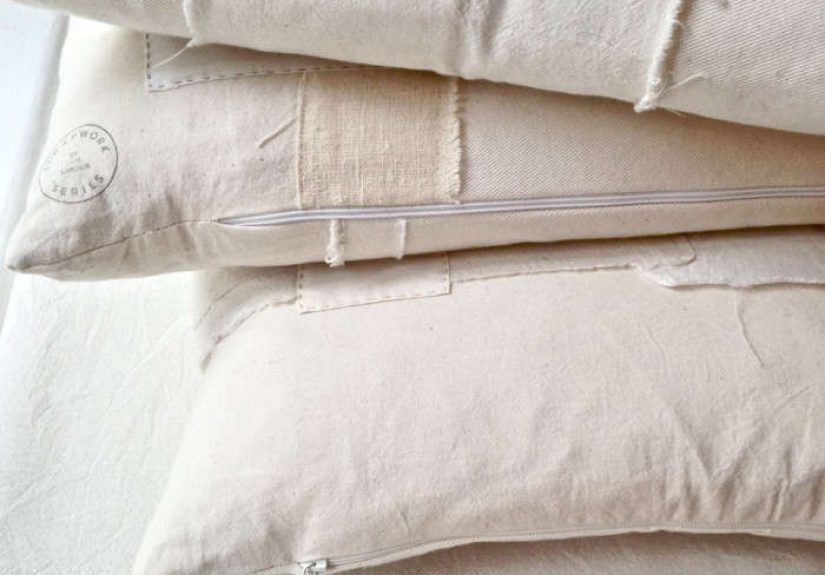
And that is exactly the charm. The appeal of a scrapwork pillowcase is not just that it covers a pillow. It tells a story through fabric. In archived design coverage, the original Scrapwork Series Pillowcase was described as a handmade, standard-size pillowcase by designer Line Sander Johansen, composed of tonal silk, linen, and cotton patches, lined with lightweight cotton khadi, and made so that each piece was unique. That one description explains why the idea still feels fresh: it sits at the intersection of sustainable design, textile art, and everyday comfort.
This article takes that inspiration and explores what makes a scrapwork pillowcase special, why patchwork bedding still resonates with modern homes, how to style the look, and what to know if you want to sew or shop for something similar. Because yes, a pillowcase can be practical. But it can also be a little masterpiece that happens to live under your face.
What Is a Scrapwork Series Pillowcase?
A scrapwork pillowcase is a pillowcase made from pieced fabric rather than a single, uninterrupted length of cloth. The word scrapwork signals intentional patching: leftover material, remnant cuts, or carefully chosen small pieces assembled into a larger textile composition. It is closely related to patchwork and quilting traditions, but it often feels looser, more artistic, and more organic.
In the case of the original Scrapwork Series Pillowcase, the look leaned tonal and understated rather than loud or country-cute. That matters. A lot of people hear “patchwork” and immediately picture a riot of colors that resembles a cheerful fabric explosion. Scrapwork can do that, sure. But it can also be refined, quiet, and sophisticated. Think layered creams, warm ecru, weathered whites, oat-colored linen, faded blush, soft gray, and the occasional whisper of silk sheen.
The result is a pillowcase that feels handmade in the best possible way. Not “Oops, I tried.” More “A textile artist definitely touched this.”
Why This Style Still Works in Modern Homes
1. It Brings Texture Without Visual Chaos
A well-made scrapwork pillowcase adds dimension to a bed even when the palette stays neutral. Different weaves, weights, and finishes catch light in different ways. Linen looks matte and relaxed. Cotton feels familiar and breathable. Silk adds a subtle glow. When these materials are pieced thoughtfully, the surface becomes visually rich without becoming busy.
2. It Makes Sustainability Look Good
Fabric scraps used to be treated like leftovers. Now they are design opportunities. A scrapwork pillowcase speaks the language of reuse, small-batch making, and thoughtful production. It turns what might have been waste into a usable object that feels personal and elevated. In a market full of identical bedding sets, that kind of material intelligence stands out.
3. It Feels Collected, Not Overdesigned
One of the biggest compliments a room can receive is that it feels collected over time. Scrapwork contributes to that feeling because it naturally introduces variation. No two pieces are exactly the same, which keeps a bed from looking too flat or showroom-staged. It says, “Someone with good taste lives here,” not, “This comforter set came vacuum-sealed in a plastic cube.”
4. It Bridges Craft and Decor
That is part of its enduring appeal. A scrapwork pillowcase belongs to the world of sewing, quilting, and textile craft, but it also belongs to the world of styling and interiors. It is useful, decorative, and expressive at the same time. That is a rare triple threat for something you usually drool on while sleeping.
The Design DNA of a Great Scrapwork Pillowcase
Not every patchwork pillowcase earns the “series” energy. Some are random in the fun way. Others are random in the “I cleaned out a junk drawer with a sewing machine” way. The difference is design discipline.
Here are the qualities that tend to define a beautiful scrapwork pillowcase:
Tonal Cohesion
The most elegant versions usually stay inside a narrow color family. Neutrals, washed earth tones, or one color in several values work especially well. This keeps the patchwork feeling intentional and calm.
Material Contrast
Combining cotton, linen, and occasionally silk creates a richer tactile experience. The contrast should feel balanced, not competitive. A shiny piece here and a slubby linen patch there can create depth without stealing the whole show.
Clean Construction
Because pillowcases are handled, washed, and slept on, construction matters. Neat seams, properly enclosed raw edges, and a soft interior finish turn a pretty object into a durable one. This is why many pillowcase makers favor tidy seam-finishing methods for washable pieces.
Softness on the Inside
A patchworked exterior can be artful, but the side against skin should still feel comfortable. Lining or backing choices matter. A scratchy, bulky, or uneven interior ruins the magic fast. Beauty is lovely. Beauty that does not slap your cheek at midnight is better.
How to Style a Scrapwork Series Pillowcase
Pair It With Solid Bedding
If the pillowcase has visual texture, let it breathe. Crisp white sheets, natural flax bedding, or a soft percale duvet cover create contrast without competition. The pillowcase becomes the accent piece instead of one more fabric in a traffic jam.
Mix Handmade With Minimal
This style shines in rooms that balance warmth and restraint. A scrapwork pillowcase looks especially good with wood tones, matte ceramics, vintage bedside tables, woven baskets, and slightly rumpled bedding. Perfectly pressed, ultra-glossy glam bedrooms can make it feel out of place.
Use One or Two, Not Seven
You do not need an army of decorative pillows to make the look work. One well-chosen scrapwork pillowcase can transform a bed. Two can create symmetry. Nine start to feel like your bed is hosting a committee meeting.
Let Imperfection Be Part of the Luxury
Handmade textiles are supposed to have nuance. Tiny variations in piecing, texture, or tone are part of the appeal. The goal is not sterile perfection. The goal is character with competence.
How to Make a Scrapwork-Inspired Pillowcase at Home
If you sew, this is one of the most satisfying home projects you can take on. Pillowcases are approachable for beginners, but they still leave room for artistry. You can keep it simple or get delightfully obsessive with layout, stitching, and fabric choice.
Start With the Right Fabric Mix
Choose scraps that play well together. Cotton and linen are the easiest foundation because they are stable, breathable, and relatively easy to sew. If you want the look of the original design inspiration, add a few silk or silk-like accents carefully and sparingly. Prewash washable fabrics first so the finished piece behaves more predictably later.
Build a Palette Before You Sew
Lay all your fabric pieces out on a flat surface and edit ruthlessly. Good scrapwork is rarely about using every scrap you own. It is about choosing the right scraps. Keep the palette limited. Repeat tones. Vary texture more than color if you want a refined result.
Piece the Front With Intention
You can work in strips, blocks, organic panels, or asymmetrical shapes. Strips are beginner-friendly and have a modern look. Small squares feel more traditional. Irregular shapes feel artistic but require more patience. Whatever layout you choose, press as you go. Ironing may not be glamorous, but it is often the dividing line between “artisan” and “suspiciously lumpy.”
Choose a Comfortable Construction Method
For a traditional sleep pillowcase, enclosed seams are worth the effort because they help hide raw edges and improve durability. For a decorative sham or toss pillow cover, envelope closures are beginner-friendly and make the cover removable and washable. If your goal is an heirloom feel, consider a lined construction so the interior is smooth and the outer patchwork stays protected.
Mind the Bulk
Mixed-fabric patchwork can create thick seam intersections. Trim carefully where needed, use a fresh needle, and avoid overly heavy fabrics that make the pillowcase stiff. The finished case should still drape and fold naturally.
Common Mistakes That Can Ruin the Look
- Using too many unrelated prints: Scrapwork needs editing. Random is not the same as artful.
- Ignoring fabric weight: Pairing very heavy fabric with delicate fabric can distort seams and wear unevenly.
- Skipping prewashing: Shrinkage and dye bleed are not cute surprises.
- Forgetting the back side: The inside should feel as good as the outside looks.
- Overdecorating the bed: Let the pillowcase be a focal point, not background noise.
How to Care for a Scrapwork Pillowcase
Care depends on the fabric blend. If your pillowcase includes delicate fibers like silk, gentle washing is the safe path. Cold water, mild detergent, and low heat or air-drying help preserve both texture and color. Linen also tends to prefer cooler or lukewarm washing and a gentler approach over aggressive heat. If the pillowcase is made from mixed fibers, always care for it according to the most delicate material involved.
That sounds fussy, but it is really just common textile courtesy. A handmade scrapwork pillowcase should not be treated like a gym sock. Wash it thoughtfully, avoid harsh bleach, and do not scorch it in the dryer until it emerges with the emotional expression of toast.
If the pillowcase is decorative rather than used nightly, rotate it in and out of use. That will reduce wear and keep the piece looking intentional rather than exhausted. When in doubt, a pillow protector underneath helps extend the life of any handmade case.
Why the Scrapwork Series Pillowcase Still Matters
The original product may be discontinued, but the idea behind it is more relevant than ever. Home decor has moved steadily toward pieces that feel handmade, storied, and materially honest. People want rooms with texture, history, and soul. They also want practical items that do more than exist blandly.
A scrapwork pillowcase answers that desire beautifully. It transforms remnants into ritual. It brings artistry into daily life. It softens a room without flattening its personality. And it proves that bedding can be expressive without screaming for attention.
Most of all, it reminds us that patchwork is not just nostalgia. In the right hands, it is modern. It is restrained. It is tactile. It is sustainable. It is full of tiny decisions that add up to one big feeling: this object was worth making well.
Extended Experience: Living With a Scrapwork Series Pillowcase
Here is the funny thing about a scrapwork pillowcase: at first, people notice it with their eyes. Later, they understand it with their hands. That is the part that photographs never fully capture. A regular pillowcase is easy to appreciate in one second. A scrapwork pillowcase reveals itself more slowly. You notice the variation in weave, the slight change in finish from one patch to the next, the soft drape of washed linen against crisper cotton, and the occasional sheen that catches morning light for half a second before disappearing again.
In actual use, the experience feels more intimate than trendy. On a neatly made bed, a scrapwork pillowcase adds that “something is different here” effect without forcing itself into the room. It does not need neon color or oversized ruffles to get attention. It just sits there looking quietly confident, like the person at a dinner party who says one clever thing and then lets everyone else panic.
There is also a very human pleasure in knowing the fabric had a previous life as leftover material or saved remnants. That detail changes the emotional tone of the object. Instead of feeling disposable, it feels rescued. Instead of reading as generic decor, it feels chosen. That matters more than people admit. A handmade textile can make a room feel warmer because it literally carries evidence of thought, labor, and touch.
For makers, the experience of creating one is equally memorable. Choosing scraps becomes a strange little exercise in self-awareness. You start with a pile of leftovers and realize very quickly that your taste reveals itself under pressure. Do you reach for calm neutrals, faded florals, menswear stripes, washed chambray, or that one tiny silk remnant you have been hoarding like a dragon with excellent taste? Suddenly, a pillowcase becomes a design autobiography.
Then comes the sewing phase, which is part meditation, part negotiation. You piece sections together, press seams, rearrange patches, second-guess your choices, and then eventually hit that satisfying moment when the composition clicks. The front looks balanced. The colors make sense. The textures feel intentional. You stop squinting at it like an art critic and start smiling like a person who just made something genuinely good.
After that, the pillowcase starts doing what the best home objects always do: it becomes part of your routines. You fluff it. Wash it carefully. Move it from the bedroom to a reading chair. Pair it with plain bedding in summer and heavier layers in winter. Guests comment on it. Someone asks where you bought it. You get to decide whether to answer honestly or just enjoy five silent seconds of mysterious textile power.
That is why the idea of the Scrapwork Series Pillowcase endures. It is not only about style. It is about intimacy, reuse, craftsmanship, and the quiet thrill of living with something that does not feel mass-produced. In a home full of fast purchases and forgettable objects, a scrapwork pillowcase has presence. It may be small. It may be humble. But it has the rare ability to make everyday life feel a little more intentional, a little more tactile, and a lot less boring.
Conclusion
The Scrapwork Series Pillowcase is more than a bedding accessory. It is a lesson in how beautiful design can emerge from fragments. With its patchwork spirit, mixed-fiber texture, and one-of-a-kind personality, it turns the familiar pillowcase into a decorative statement that still feels useful and deeply livable. Whether you are hunting for a similar artisan piece, styling your bed around handmade accents, or sewing your own version from treasured scraps, the charm lies in the same idea: small pieces can create something memorable.
And that may be the real reason this style resonates. It proves that softness and character can coexist, that sustainability does not have to look preachy, and that even the simplest bedroom staple can become a conversation piece when craft leads the way.