Table of Contents >> Show >> Hide
- What Is Sickle Cell Disease?
- What Is Sickle Cell Trait?
- Sickle Cell Disease vs. Trait at a Glance
- It All Comes Down to Genetics
- Symptoms: One Can Be Serious, the Other Is Usually Silent
- Can Sickle Cell Trait Turn Into Sickle Cell Disease?
- How Doctors Test for Sickle Cell Disease or Trait
- Why Knowing Your Status Matters
- Treatment: Very Different Needs
- Real-Life Experiences: What This Difference Means Day to Day
- Conclusion
- SEO Tags
If you have ever heard someone say, “I have the sickle cell trait,” and another person say, “I have sickle cell disease,” you may have wondered whether those phrases mean the same thing. They do not. They are related, yes, but in the same way that a smoke detector and an actual kitchen fire are related: one signals a genetic possibility, while the other is a real health condition that can seriously affect daily life.
That difference matters. It matters for health, for family planning, for sports participation, for pregnancy decisions, and for simple peace of mind. It also matters because many people grow up hearing these terms without ever getting a clear explanation. Genetics, unfortunately, does not always arrive with subtitles.
In plain English, sickle cell disease is an inherited blood disorder that can cause pain crises, anemia, infections, and long-term complications. Sickle cell trait means a person carries one sickle cell gene, usually does not have the disease, and may never feel sick from it at all. But trait still matters because it can be passed on to children, and in uncommon situations it can be linked to health concerns.
This guide breaks down the difference in a way that is easy to follow, medically accurate, and not about as fun as reading a tax instruction booklet.
What Is Sickle Cell Disease?
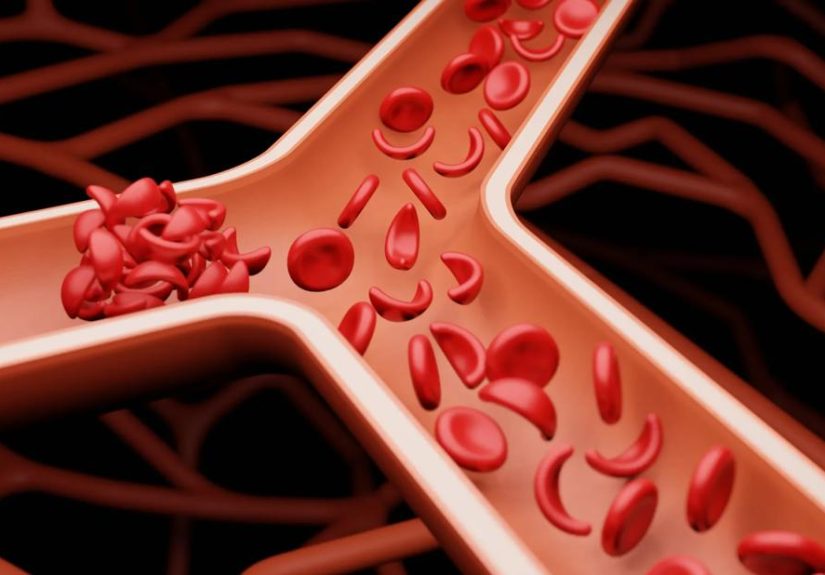
Sickle cell disease, often called SCD, is a group of inherited blood disorders that affect hemoglobin. Hemoglobin is the protein inside red blood cells that carries oxygen throughout the body. In SCD, the hemoglobin is abnormal, which causes red blood cells to become stiff, sticky, and shaped like a sickle or crescent instead of soft and round.
That shape change is not just a cosmetic issue under a microscope. Healthy red blood cells move through blood vessels with the smooth confidence of a car on a freshly paved road. Sickle-shaped cells, on the other hand, are more like shopping carts with one broken wheel. They can clump together, block blood flow, and reduce oxygen delivery to tissues and organs.
As a result, people with sickle cell disease may experience:
- Chronic anemia
- Episodes of severe pain, often called pain crises
- Fatigue and weakness
- Higher risk of infections
- Organ damage over time
- Complications involving the lungs, brain, kidneys, spleen, eyes, and bones
Sickle cell disease is not one single diagnosis in every case. It includes several types, such as HbSS, HbSC, and sickle beta thalassemia. Some forms are more severe than others, but all are considered sickle cell disease.
What Is Sickle Cell Trait?
Sickle cell trait, or SCT, is not the same thing as having the disease. A person with SCT inherits one sickle cell gene from one parent and one normal hemoglobin gene from the other parent. That means they carry the gene, but they usually do not have the symptoms of sickle cell disease.
Most people with sickle cell trait live completely typical lives and may not know they have it unless they are tested. In fact, many people first learn about their status during newborn screening, routine blood work, school athletics paperwork, pregnancy planning, or when a relative is diagnosed and the whole family suddenly becomes very interested in genetics.
Sickle cell trait is best understood as a carrier state. It does not mean the disease is “mild.” It does not mean the disease will show up later like a bad sequel. And it does not mean a person is unhealthy. It simply means they carry one altered gene that can be passed on.
Sickle Cell Disease vs. Trait at a Glance
| Category | Sickle Cell Disease | Sickle Cell Trait |
|---|---|---|
| Genes inherited | Two abnormal hemoglobin genes | One sickle cell gene and one normal gene |
| Health impact | Can cause serious lifelong symptoms and complications | Usually no symptoms of disease |
| Anemia and pain crises | Common | Usually absent |
| Can pass gene to children | Yes | Yes |
| Can “turn into” disease later | No, because it is present from birth | No, trait does not become disease |
| Medical monitoring needed | Yes, ongoing care is important | Testing and counseling are useful, especially for family planning |
It All Comes Down to Genetics
The biggest difference between sickle cell disease and sickle cell trait is inheritance. Every person gets one hemoglobin gene from each biological parent.
If You Inherit One Sickle Cell Gene
You have sickle cell trait. This usually means you are a carrier without having the disease.
If You Inherit Two Abnormal Genes
You have sickle cell disease. This can happen when both parents pass down a sickle cell gene, or when one parent passes a sickle gene and the other passes another abnormal hemoglobin gene, such as hemoglobin C or beta thalassemia.
Why Family Planning Matters
If both parents have sickle cell trait, each pregnancy has:
- A 25% chance the child will have sickle cell disease
- A 50% chance the child will have sickle cell trait
- A 25% chance the child will inherit neither condition
Those odds reset with every pregnancy. Genetics does not keep score from one child to the next. Each time, it starts fresh.
This is why testing and genetic counseling can be so helpful, especially before pregnancy or early in pregnancy. People often think of carrier testing as something “other families” do until suddenly it becomes very much their business.
Symptoms: One Can Be Serious, the Other Is Usually Silent
The daily experience of sickle cell disease is very different from the daily experience of sickle cell trait.
What Sickle Cell Disease Can Feel Like
People with SCD may deal with recurring pain, fatigue, missed school or work, ER visits, hospital stays, and regular appointments with hematology specialists. Symptoms often begin in early childhood, though severity varies widely. Some people have milder disease, while others face frequent complications.
Because sickled cells break down faster than normal red blood cells, anemia is common. The spleen can also become damaged, which increases the risk of serious infections. Over time, reduced blood flow can affect many organs.
What Sickle Cell Trait Usually Feels Like
Usually, it feels like nothing at all. Most people with SCT do not have the signs of sickle cell disease. They are not expected to have pain crises or the chronic complications seen in SCD.
That said, “usually” does not mean “never.” In rare cases, people with sickle cell trait can develop problems, especially under major physical stress. Examples include severe dehydration, very intense exercise, low oxygen conditions, or high altitude. Some people with SCT may also notice blood in the urine, which should always be evaluated by a healthcare professional.
So while sickle cell trait is usually benign, it is not something to shrug off and forget forever. It is more like information you should keep in your back pocket, next to your emergency contact and that one password you swear you will update later.
Can Sickle Cell Trait Turn Into Sickle Cell Disease?
No. This is one of the most common myths, and it deserves a firm, clear answer.
Sickle cell trait does not turn into sickle cell disease later in life. You are born with one status or the other based on the genes you inherit. Trait is not an early stage of disease, a warning level, or a preview trailer. It is its own distinct genetic result.
What trait can do is affect future generations if a partner also carries sickle cell trait or another abnormal hemoglobin gene. That is why knowing your status is valuable even when you feel perfectly healthy.
How Doctors Test for Sickle Cell Disease or Trait
In the United States, newborn screening commonly identifies sickle cell disease and often sickle cell trait shortly after birth. If results are abnormal, doctors use follow-up testing to confirm the diagnosis.
Testing later in life is usually done with a blood test that looks at the type of hemoglobin a person has. A doctor may order tests such as hemoglobin electrophoresis or similar lab methods to tell whether someone has normal hemoglobin, sickle cell trait, or sickle cell disease.
Testing is especially useful if:
- You do not know your newborn screening results
- A family member has SCD or SCT
- You are planning a pregnancy
- You are pregnant and want carrier screening
- You are an athlete or military recruit and want clear health information
- You have unexplained anemia or another blood test abnormality
Why Knowing Your Status Matters
Some people assume sickle cell trait is irrelevant because it often causes no symptoms. That is a mistake. It matters for at least three big reasons.
1. It Helps With Family Planning
If you know your trait status and your partner knows theirs, you can understand the genetic odds for future children. This does not tell anyone what decision to make. It simply gives them facts, which is generally a good starting place for life.
2. It Helps Avoid Rare but Real Risks
For a person with SCT, knowing about the trait can be useful when preparing for intense physical exertion, high heat, altitude exposure, or dehydration. Awareness can help people make safer choices and tell clinicians the right information if symptoms happen.
3. It Helps People With SCD Get Timely Care
For someone with sickle cell disease, early diagnosis changes outcomes. Regular medical follow-up, vaccinations, infection prevention, screening tests, pain plans, and disease-modifying treatment can all make a major difference.
Treatment: Very Different Needs
Sickle cell trait usually does not require ongoing treatment. The main “treatment,” if you want to call it that, is knowledge: know your status, tell your clinician when relevant, and ask questions before major physical or reproductive decisions.
Sickle cell disease is another story. Treatment is focused on preventing pain episodes, reducing complications, and protecting long-term health.
Depending on the person, treatment may include:
- Pain management plans
- Hydroxyurea to reduce sickling and lower the risk of serious complications
- Blood transfusions
- Antibiotics and vaccines, especially in children
- Regular screenings for complications such as stroke risk
- Bone marrow or stem cell transplant for selected patients
- Gene therapy for some eligible patients
Modern treatment has improved significantly, and people with SCD today have more options than previous generations. That does not make the condition easy, but it does mean the story is no longer only about crisis management. It is also about prevention, coordination, and progress.
Real-Life Experiences: What This Difference Means Day to Day
On paper, the difference between sickle cell disease and trait looks simple. In real life, it can shape how a person sees their body, their future, and even their family story.
For someone with sickle cell trait, the experience is often one of surprise. They may feel completely healthy and discover their status during college sports paperwork, prenatal screening, or a routine checkup. That moment can be strange. A person walks into an appointment thinking they are there for a form or a standard lab panel, and walks out with a new piece of family genetics to think about. They may have questions like, “Do I need treatment?” “Should my siblings get tested?” “What does this mean if I want kids someday?” Often, the biggest challenge is not physical illness. It is a need for clear education.
For parents, the experience can be emotional in a different way. A newborn screening result may introduce words they have never heard before. If a baby has trait, parents may feel relieved but still confused. If a baby has disease, that same phone call can feel life-changing. Suddenly there are specialist visits, follow-up tests, medication plans, vaccine conversations, school questions, and a very fast course in hematology that nobody asked to take.
For people living with sickle cell disease, the experience is often much more demanding. Good days may look ordinary from the outside, which can make the disease invisible to others. But bad days can involve severe pain, exhaustion, shortness of breath, missed classes, canceled plans, and hospital visits. One of the hardest parts is unpredictability. A person may look fine in the morning and be in crisis by evening. That unpredictability affects work, school, friendships, and mental health.
There is also the social side. People with SCD sometimes feel misunderstood because others do not see the full weight of chronic illness. Friends may not grasp why hydration matters so much, why cold weather can feel risky, or why fatigue is not just being “tired.” People with trait can face confusion too, especially when others wrongly assume they have the disease or, on the flip side, assume trait is completely meaningless.
Then there is the family-planning conversation. Many adults with trait describe learning that their status matters most when they begin thinking about children. A partner gets tested. Numbers enter the chat. Genetic counseling becomes part science lesson, part emotional reality check. It is not necessarily frightening, but it is serious. Knowing the difference between disease and trait gives families options, context, and a chance to make informed decisions instead of last-minute guesses.
In the end, the lived experience of sickle cell disease versus trait is not just about genes. It is about clarity versus uncertainty, management versus monitoring, and planning versus reacting. The labels may look similar on paper, but the day-to-day reality can be very different. That is exactly why accurate information matters so much.
Conclusion
Sickle cell disease and sickle cell trait are related, but they are not interchangeable. Sickle cell disease is a lifelong inherited blood disorder that can cause serious symptoms and complications. Sickle cell trait usually does not cause disease symptoms, but it still matters because it affects inheritance and, in rare situations, can be linked to health issues under extreme conditions.
The key takeaway is simple: trait means carrier, disease means condition. If you do not know your status, getting tested can give you useful information for your health and your future family planning. If you already know your status, understanding what it actually means can replace confusion with confidence. And frankly, confidence is a lot more useful than a half-remembered explanation from a cousin at a family barbecue.