Table of Contents >> Show >> Hide
- First: What “congestion” actually is (and why it’s so annoying)
- Why spicy foods can make you feel less congested
- Spicy foods that may help fight congestion (with realistic ways to eat them)
- Chili peppers (jalapeños, serranos, cayenne, habaneros)
- Hot sauce and salsa (the easiest “spice upgrade”)
- Spicy soups and broths (the congestion “two-for-one”)
- Ginger (fresh ginger, ginger tea, ginger-forward dishes)
- Garlic (especially in hot foods)
- Horseradish (fresh grated or prepared)
- Wasabi (real or sushi-style, in tiny doses)
- Mustard (especially hot mustard)
- Curry and chili-based spice blends (warming, aromatic, customizable)
- Kimchi or spicy fermented veggies (if your stomach agrees)
- How to use spicy foods for congestion without regretting everything
- When spicy foods are a bad idea
- Spicy foods help… but don’t forget the basics that actually move the needle
- When to see a clinician
- FAQ: Spicy congestion relief, answered like a normal human
- Conclusion: Use spice like a smart shortcut, not a miracle cure
- Extra: Real-life experiences with spicy foods and congestion
If you’re congested, you’re basically a human mouth-breather with a side hustle in sniffling. The good news:
spicy foods can sometimes help you feel less stuffed upat least for a little while. The even better news:
you don’t need to gargle hot sauce like it’s a wellness ritual (please don’t). The realistic news:
spicy foods won’t “cure” a cold, allergies, or a sinus infection. But they can act like a temporary “reset button”
for your nose by making it run, loosening gunk, and giving your nasal passages a short break from feeling like
they’re packed with wet cement.
In this guide, we’ll break down why spicy foods can help with congestion, which spicy options tend to work best,
how to eat them without setting your face on fire, and when to skip the heat and call a clinician instead.
Expect practical tips, specific examples, and a little humorbecause if we’re going to suffer, we might as well laugh.
First: What “congestion” actually is (and why it’s so annoying)
Congestion isn’t just “too much mucus.” Often, it’s swollen, inflamed nasal tissues plus mucus that’s thicker than usual.
Viruses (like the common cold), allergies, irritants, dry air, and sinus issues can all trigger inflammation.
When the lining of your nose swells, the airways narrow, and breathing feels harderespecially when you’re trying to sleep
and your body decides bedtime is the perfect time to audition for a snore Olympics.
Why spicy foods can make you feel less congested
1) Capsaicin: the “hot pepper” compound that presses your nose’s panic button
Hot peppers contain capsaicin, which activates heat-sensitive receptors and can stimulate nerves connected to the nose and face.
Translation: your body reacts like, “Whoa, heat!”and you may get a runny nose, watery eyes, and a sudden urge to grab tissues.
That runny-nose effect can temporarily help clear mucus and make breathing feel easier.
2) Wasabi, mustard, and horseradish: the “pungent vapor” squad
Wasabi and horseradish don’t burn the same way chili peppers do. They’re known for a sharp, nose-tingling punch that can feel like
it shoots straight into your sinuses. That sensation comes from compounds (notably allyl isothiocyanate in many mustard-family foods)
that irritate/stimulate the nasal passages. In the short term, that stimulation can make the nose run and help you move mucus out.
3) Warmth + hydration: spicy foods often arrive in helpful “delivery systems”
Some of the best “spicy for congestion” choices are also warm and hydratingthink brothy soups, hot teas with ginger,
or steamy bowls of chili. Warm fluids can help loosen mucus, and the steam rising off hot foods can feel soothing
when your nasal passages are irritated and dry.
Bottom line: spicy foods mainly help by temporarily improving airflow sensation and making it easier to clear mucus.
They’re a short-term comfort tool, not a medical cure. Used wisely, they can be part of a “breathe easier” game plan.
Spicy foods that may help fight congestion (with realistic ways to eat them)
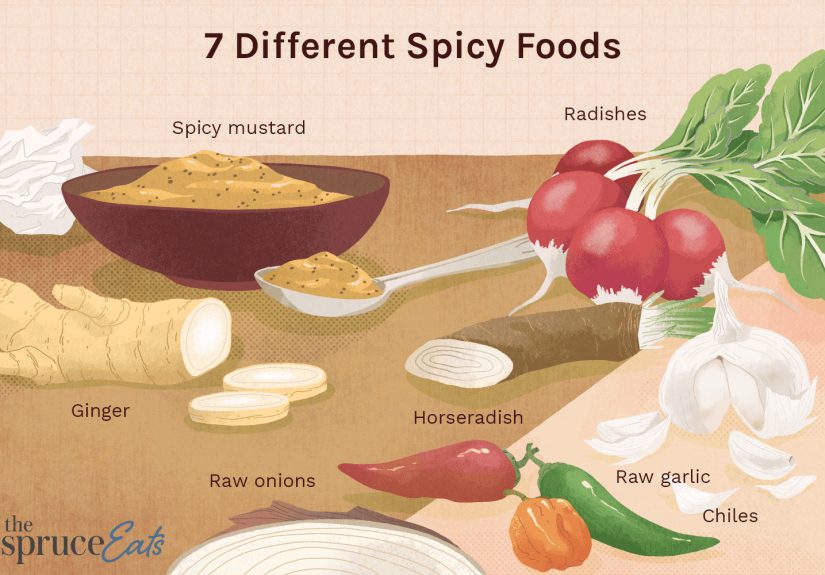
Chili peppers (jalapeños, serranos, cayenne, habaneros)
This is the classic congestion-buster. Chili peppers bring capsaicin, which can trigger a runny nose and help you
clear stuffiness for a bit. You don’t need extreme heatsometimes a moderate burn is plenty.
- Try it: Add sliced jalapeño to soup, tacos, scrambled eggs, or a turkey sandwich.
- Quick tip: Start mild if you’re already feeling roughcongestion is not the day to prove your Scoville bravery.
Hot sauce and salsa (the easiest “spice upgrade”)
Hot sauce is basically capsaicin in a convenient bottle. Salsa adds spice plus hydration (tomatoes, onions, lime),
which is a small but meaningful win when you’re under-the-weather and not drinking enough.
- Try it: Stir hot sauce into broth, drizzle on eggs, or add salsa to rice bowls.
- Smart move: Choose sauces with simple ingredients if your stomach is sensitive (some are heavy on vinegar).
Spicy soups and broths (the congestion “two-for-one”)
A steamy bowl of soup gives you warmth, fluid, and (if you spice it) that nose-running effect. This combo can be especially comforting
when you feel dried out or your mucus is thick. Think chicken soup with black pepper and chili flakes, tortilla soup,
spicy ramen, or a ginger-forward broth.
- Try it: Add chili flakes, cayenne, or chopped peppers to chicken soup.
- Bonus: If you can smell the soup while it’s hot, you’re also getting a mini “steam session.”
Ginger (fresh ginger, ginger tea, ginger-forward dishes)
Ginger isn’t “pepper hot,” but it’s warming and pungentperfect when you want gentle spice. Ginger tea is a go-to because it’s warm,
hydrating, and easy on a sore throat for many people.
- Try it: Fresh ginger tea (simmer sliced ginger), or add grated ginger to soups and stir-fries.
- Pro tip: If your throat is scratchy, go warmnot scorchingso you don’t irritate it further.
Garlic (especially in hot foods)
Garlic brings pungency and flavor that can make bland “sick-day food” more appealing. While garlic gets hype for lots of reasons,
the most immediate congestion-friendly perk is simple: it helps you tolerate warm, nourishing meals and broths when you don’t feel like eating.
- Try it: Garlic in soup, garlic-ginger broth, or roasted garlic mashed potatoes with a bit of pepper.
- Be kind to your gut: Raw garlic can be harsh for some peoplecooked is often easier.
Horseradish (fresh grated or prepared)
Horseradish is “sinus fireworks.” It can create that immediate nose-clearing sensation that makes you sit upright and reconsider your life choices.
Used in small amounts, it may help your nose run and make it easier to clear mucus.
- Try it: A small dab mixed into mashed potatoes, stirred into a sauce, or served with roast beef.
- Don’t overdo it: Too much can irritate already-inflamed nasal tissue and leave you feeling worse.
Wasabi (real or sushi-style, in tiny doses)
Wasabi is famous for that sharp nasal “rush.” It’s a different sensation from chili heat and can feel like it travels through the nose.
That stimulation can briefly make breathing feel easierfollowed immediately by “why is my face tingling?”
- Try it: Add a small amount to soy sauce for dipping, or mix a little into a dressing.
- Reality check: The effect is temporaryand your eyes may water like you just watched a sad movie trailer.
Mustard (especially hot mustard)
Mustard can deliver pungency that feels like it opens things up. It’s also easy to use on sandwiches or in warm dishes,
which makes it a practical choice when you want “spice without cooking a whole production.”
- Try it: Mustard in warm broth-based sauces, on chicken, or whisked into a quick vinaigrette.
- Good to know: Very spicy mustard can irritate a sore throatstart small.
Curry and chili-based spice blends (warming, aromatic, customizable)
Curry dishes often combine multiple “warm” spiceschili, pepper, ginger, turmeric, garlicmaking them a flexible option.
The aroma and heat can feel especially helpful when your sense of smell is muted and food tastes like damp cardboard.
- Try it: Mild-to-medium curry with extra broth, or add curry powder and chili flakes to lentil soup.
- Keep it soothing: If reflux is a problem, choose gentler heat and skip overly oily, heavy versions.
Kimchi or spicy fermented veggies (if your stomach agrees)
For some people, spicy fermented foods like kimchi are satisfying and appetite-friendly when sick. They’re also salty and flavorful,
which can help you eat enough when you’re not hungry. But they can be rough on sensitive stomachsso this is a “know thy gut” situation.
- Try it: A small side portion with rice or added to a warm soup.
- Skip it if: You’re dealing with heartburn, nausea, or a very sore throat.
How to use spicy foods for congestion without regretting everything
Pick “warming” over “weapon-grade”
More heat isn’t automatically more relief. Once you cross into “pain,” your body’s stress response can make you feel worse.
Aim for mild-to-moderate spice that triggers a runny nosethen stop before you start bargaining with the universe.
Pair spice with fluids
Spicy dry foods can irritate your throat and leave you coughing. Spicy broth, soup, or warm tea with ginger is often a smarter option.
Hydration helps keep mucus thinner and easier to move.
Use spice as a tool, not a lifestyle dare
If you’re congested, you can use spicy foods strategicallylike before a hot shower, before bed (if reflux isn’t an issue),
or when you need to clear your nose so you can actually taste your food. Think “targeted relief,” not “hot wing marathon.”
Give your nose a break if it’s already raw
If your nostrils are irritated from constant wiping, very spicy foods may sting more than they help. In that case,
go gentler (ginger, warm broth, mild curry) and focus on humid air, hydration, and soothing foods.
When spicy foods are a bad idea
Spicy foods can be helpfulbut they’re not for everyone, and they’re not always appropriate when you’re sick.
Consider skipping or dialing down spice if:
- You have acid reflux/GERD or frequent heartburn (spice can trigger symptoms).
- You’re dealing with nausea, vomiting, or diarrhea (spice may worsen it).
- You have a very sore throat or mouth irritation (spice can sting and inflame).
- You’re feeding a young child who isn’t used to spicy foods (comfort foods are the priority).
- Your congestion is from an irritant exposure and your nose already feels “burny” (adding burn may not help).
Spicy foods help… but don’t forget the basics that actually move the needle
If congestion is making you miserable, combine spice with evidence-friendly comfort moves:
- Hydration: Water and warm fluids help keep mucus from turning into glue.
- Humid air/steam: A hot shower or warm mist can feel soothing and help loosen mucus.
- Saline nasal rinse or spray: Helps clear irritants and mucus (use safe water practices).
- Rest: Not glamorous, but your immune system loves it.
When to see a clinician
Call a clinician or seek care if you have red flags such as:
trouble breathing, chest pain, severe facial pain, symptoms that significantly worsen,
high fever, dehydration, or congestion that lasts more than about 10 days without improvement (or keeps returning).
If you have chronic congestion, you may be dealing with allergies, nonallergic rhinitis, or sinus issues that deserve targeted treatment.
FAQ: Spicy congestion relief, answered like a normal human
Does spicy food “break up mucus”?
It can make your nose run and help you clear mucus out. That can feel like it’s breaking things up.
But the main effect is temporary stimulation and drainagenot a permanent fix.
Is horseradish/wasabi better than chili peppers?
Different vibe. Chili peppers tend to create a slower, mouth-and-face heat. Wasabi/horseradish hits the nose fast.
Some people respond better to one than the other. The “best” choice is the one that gives you relief without upsetting your stomach.
Can I just eat spicy foods all day until the congestion goes away?
You can, but your stomach may file a formal complaint. Use spice in moderation and focus on hydration, rest,
and supportive measures. If symptoms linger, get evaluated.
Conclusion: Use spice like a smart shortcut, not a miracle cure
Spicy foods can be a legit, low-effort way to feel less congestedmainly by triggering a runny nose and helping you clear mucus.
Chili peppers (capsaicin) and pungent mustard-family foods (wasabi, horseradish, mustard) are the headliners, while ginger, garlic,
and spicy soups round out the supporting cast with warmth and hydration.
Keep it comfortable, pair spice with fluids, and don’t push through pain. If your symptoms are severe, persistent,
or paired with red flags, treat spicy food as a comfort toolnot your only plan.
Extra: Real-life experiences with spicy foods and congestion
The “Taco Test” moment
You know that scene where someone takes one bite of something spicy and suddenly they’re blinking like a malfunctioning turn signal?
Congestion can turn a basic taco night into that exact experience. A moderate salsa or a few jalapeño slices might be enough to trigger
the classic “my nose is running” responsesuddenly you can actually breathe through one nostril again, which feels like winning a small lottery.
The key detail: it’s not that the congestion magically disappears. It’s that your nose starts producing more fluid, loosening up what’s stuck,
and giving you a chance to clear it out. The practical win is what happens next: you follow the taco bite with water, maybe a warm drink,
and a couple of tissuesthen you blow your nose (gently, like you’re handling fragile antiques) and enjoy a temporary, very satisfying window
of clearer airflow. It’s the culinary version of hitting “refresh” on your face.
The “spicy soup sanctuary”
A steamy bowl of soup with a little chili oil or pepper flakes is a different kind of reliefless dramatic than horseradish, more comforting overall.
People often describe the first few spoonfuls as a slow thaw: you’re not instantly cured, but your chest and face feel warmer, your throat feels less dry,
and the steam seems to coax your nose into loosening up. The spicy part doesn’t have to be intense; it’s more like a gentle nudge that encourages drainage.
And because soup is fluid-based, it stacks the deck in your favor: hydration supports thinner mucus, warmth feels soothing, and you’re more likely to actually
eat something nutritious. Many folks notice the “best” moment is right after the bowlwhen you stand up, your nose runs a bit, you clear it out,
and you realize you can taste food again (which is emotionally important when you’ve been living in a world where everything tastes like vaguely salty air).
The “wasabi wake-up call” (tiny dab edition)
Wasabi is not a subtle friend. A small amount can feel like it rockets into your nasal passages and turns the lights on.
For some people, that brief sting is followed by a surprisingly clear feelinglike the congestion backed up to avoid confrontation.
But there’s a fine line between “helpful stimulation” and “I have made a terrible decision.” The most common “good” experience is using a tiny dab:
enough to get the nose tingling, eyes watering, and mucus movingthen stopping. People who overdo it tend to report the opposite: more irritation,
more burning, and the kind of regret that makes you stare into the middle distance while sipping water. The takeaway is almost annoyingly simple:
with wasabi and horseradish, less is more. Treat it like a spice accent, not a competitive sport.
The “ginger tea nightcap” when you just want to sleep
Not every congestion moment calls for fireworks. Sometimes you’re tired, your throat is scratchy, and you want something soothing.
Ginger tea often shows up here because it’s warm, mildly spicy, and easy to sip. A lot of people find that the warmth helps them feel less “stuck,”
especially if their congestion is paired with a dry, irritated feeling. The experience tends to be less about an instant nose-clearing event and more about
comfort: you sip slowly, breathe in the steam, and feel your face relax a little. If you’ve ever tried to fall asleep while congested, you know how small
comforts matterlike elevating your head slightly, keeping water nearby, and choosing gentle warmth over extreme heat. Ginger tea fits that “be kind to your body”
approach. It won’t knock out congestion like a switch, but it can make the night more bearableand sometimes that’s the real victory.