Table of Contents >> Show >> Hide
- What Is a Stainless-Steel Egg Whisk?
- Why Stainless Steel Is a Smart Choice
- The Different Types of Stainless-Steel Whisks
- How to Choose the Best Stainless-Steel Egg Whisk
- How to Use a Stainless-Steel Egg Whisk Properly
- Best Uses for a Stainless-Steel Egg Whisk in Everyday Cooking
- Common Mistakes to Avoid
- How to Clean and Store a Stainless-Steel Egg Whisk
- Is a Stainless-Steel Egg Whisk Worth Buying?
- Real-World Experiences With a Stainless-Steel Egg Whisk
- Final Thoughts
If there is one kitchen tool that never asks for attention yet somehow ends up in the middle of everything, it is the stainless-steel egg whisk. It beats eggs, whips cream, smooths sauces, blends dry ingredients, rescues lumpy gravies, and generally behaves like the overachiever in the utensil drawer. A good whisk is not flashy. It does not beep, plug in, or need an app update. It just shows up, does the work, and quietly makes you look more competent than you felt five minutes earlier.
For home cooks, bakers, and anyone who has ever stared at two eggs and a bowl and thought, “Well, this breakfast is not going to scramble itself,” the stainless-steel egg whisk remains one of the most useful hand tools in the kitchen. It is simple, durable, easy to clean, and versatile enough to move from omelets to vinaigrettes to cake batter without throwing a dramatic fit. That kind of range deserves a little respect.
This guide breaks down what a stainless-steel egg whisk is, why it is such a reliable kitchen essential, how to choose the right one, and how to actually use it well. Because yes, there is a difference between owning a whisk and knowing how to make it sing.
What Is a Stainless-Steel Egg Whisk?
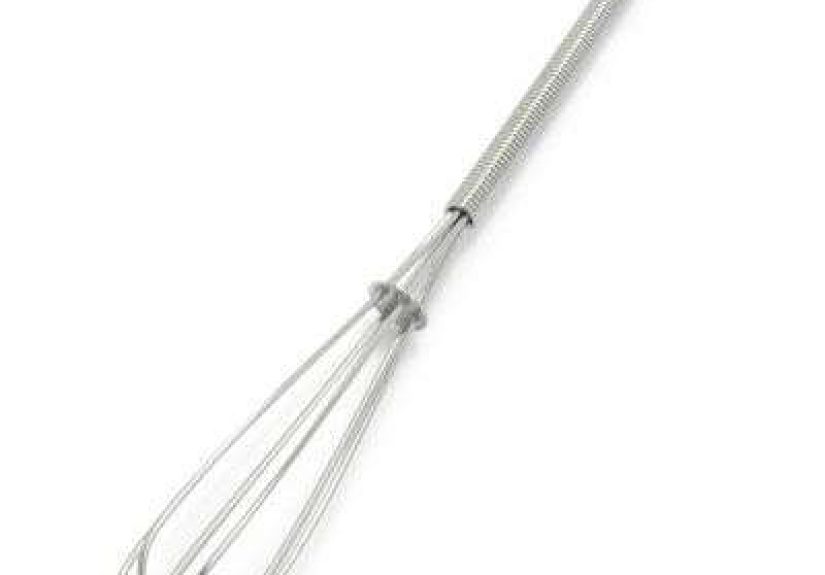
A stainless-steel egg whisk is a handheld kitchen tool made with wire loops, usually attached to a metal or metal-and-grip handle, designed to mix, beat, whip, and aerate ingredients. In everyday cooking, it is most often used for eggs, but that name undersells it a bit. This tool is also ideal for blending pancake batter, whisking vinaigrettes, stirring pudding, emulsifying sauces, and incorporating air into cream or egg whites.
The “stainless-steel” part matters. Stainless steel is popular because it is strong, resists everyday kitchen wear, handles heat well, and typically cleans up with much less fuss than materials that stain, warp, or feel fragile. In practical terms, that means your whisk can move from a cold mixing bowl to a warm saucepan without acting like it needs a union break.
Why Stainless Steel Is a Smart Choice
1. It is durable enough for everyday cooking
A quality stainless-steel whisk can handle repeated use without bending out of shape too easily. Whether you are breaking up eggs for a quick breakfast or whisking a roux into milk for a béchamel, stainless steel offers the kind of sturdiness that makes the tool feel dependable rather than decorative.
2. It works for both light and medium-duty tasks
Some kitchen tools are specialists. The whisk is more of a well-rounded athlete. A stainless-steel whisk can aerate eggs, combine dry ingredients, smooth gravy, mix sauces, and whip cream. It may not replace every mixing tool in your kitchen, but it earns its drawer space more honestly than many gadgets sold with suspicious enthusiasm and too many adjectives.
3. It is easy to clean
Many stainless-steel whisks are dishwasher-safe, and even hand-washing is usually easy when you rinse them promptly. Batter and egg residue can cling around the wires if you let them dry into a cement-like souvenir, but in general, cleanup is fast. That alone makes it more lovable on a Tuesday night.
4. It handles heat well
When you are whisking warm custard, gravy, pan sauce, or a stovetop pudding, stainless steel performs well because it can tolerate heat better than many flimsier materials. It is especially useful in sauce-making, where you need steady motion and a tool that feels responsive instead of wobbly.
The Different Types of Stainless-Steel Whisks
Not all whisks are the same, and that is actually good news. Once you understand the major styles, you can stop using one whisk for every task like it is a universal key to the kitchen. Here are the most common types you will run into.
Balloon whisk
This is the classic, rounded whisk most people picture first. Its bulb-shaped wire cage is designed to incorporate air efficiently, which makes it especially good for beating eggs, whipping cream, mixing cake batter, and blending dry ingredients. If you want one general-purpose stainless-steel egg whisk, this is often the best starting point.
French whisk
A French whisk is narrower and a bit more streamlined than a balloon whisk. That shape makes it especially handy in smaller bowls, deeper containers, and saucepans where you want more control along the edges. It is excellent for sauces, custards, and mixtures that need thorough blending without quite as much airy drama.
Flat whisk
A flat whisk is shaped to stay close to the bottom of a pan. If you regularly make gravy, roux-based sauces, or pan sauces, this type can be a secret weapon. It scrapes and stirs effectively where a round whisk might miss the corners or leave little floury ambushes behind.
Mini whisk
A mini whisk is small, nimble, and great for beating one or two eggs, stirring dressings, whisking matcha-style drinks, or mixing a quick sauce in a mug or measuring cup. It is the little espresso shot of the whisk family: compact, efficient, and weirdly satisfying to use.
Coil or spiral whisk
These are useful in small pans and tight spaces because the design keeps contact with the bottom of the vessel. They are less common in standard home kitchens, but they can be excellent for sauces where you want constant movement across the base of the pan.
How to Choose the Best Stainless-Steel Egg Whisk
Pick the shape that matches your cooking style
If you mostly beat eggs, mix batter, and whip cream, choose a balloon whisk. If you make sauces and gravies often, a French or flat whisk may serve you better. If you do a little of everything, a medium balloon whisk with a comfortable handle is usually the safest bet.
Look for balance, not just size
A whisk should feel balanced in your hand. A handle that is too light can feel awkward. A head that is too bulky can tire your wrist faster than expected. Good whisk design is less about looking fancy and more about feeling natural after a minute or two of real use. In testing and professional recommendations, comfort and balance consistently matter more than gimmicks.
Check the handle
Some stainless-steel whisks have all-metal handles, while others combine steel wires with silicone or soft-grip handles. An all-metal look can be sleek, but a non-slip or ergonomic grip often feels better during longer whisking sessions. Your future wrist would like a vote here.
Think about cookware
A stainless-steel whisk is excellent in stainless steel, glass, and metal mixing bowls. But if you cook mostly in nonstick or delicate coated pans, pure metal wires may not be the best everyday match. In those cases, a silicone-coated whisk can be a smarter choice for stovetop work. A stainless-steel egg whisk is fantastic, but like all good tools, it has boundaries. Respect the cookware, and the cookware may stop judging you.
How to Use a Stainless-Steel Egg Whisk Properly
For eggs
Use a medium whisking motion that lifts and blends at the same time. For scrambled eggs or omelets, whisk until the yolks and whites are fully combined and the texture looks uniform. If you want fluffier results, keep going a little longer to introduce more air before the eggs hit the pan.
For whipped cream
A balloon whisk is your best friend here. Chill the bowl if possible, then whisk briskly in a circular or side-to-side motion. You are trying to trap air without splashing cream everywhere like a dairy-based weather event.
For sauces and gravies
Use steady, continuous strokes, especially when adding liquid to flour or thickening agents. A French or flat whisk gives you better edge coverage in pans and helps reduce lumps before they settle in and declare permanent residency.
For dry ingredients
A whisk is surprisingly useful for mixing flour, cocoa, baking powder, salt, and spices. It breaks up small clumps and distributes ingredients more evenly than casual spoon-stirring. It is not exactly glamorous, but neither is a patch of unmixed baking powder in the middle of your cake.
Best Uses for a Stainless-Steel Egg Whisk in Everyday Cooking
- Beating eggs for scrambled eggs, omelets, quiche, and frittatas
- Making egg wash for pastries and breads
- Whipping cream and soft toppings
- Blending pancake, waffle, or crepe batter
- Mixing vinaigrettes and marinades
- Whisking gravy, custard, pudding, and roux-based sauces
- Combining dry baking ingredients
- Smoothing out hot cereal, cocoa, or quick pan sauces
Common Mistakes to Avoid
Using the wrong whisk for the job
A giant balloon whisk in a tiny saucepan is like bringing a marching band to a coffee date. It can work, but it is not elegant. Match the whisk shape and size to your bowl or pan.
Whisking too aggressively in shallow bowls
This is how egg mixture ends up on your counter, your shirt, and possibly your sense of dignity. Use a bowl with enough depth, and keep the whisk angle controlled.
Leaving residue to dry on the wires
Wash your whisk sooner rather than later. Dried egg and batter can cling between wires and make cleanup harder than necessary. A quick rinse right after use saves future-you from unnecessary scrubbing.
Using metal wires in delicate nonstick cookware
Even the best stainless-steel egg whisk is not ideal for every pan. If the surface scratches easily, use a silicone-coated alternative for that specific task.
How to Clean and Store a Stainless-Steel Egg Whisk
Rinse the whisk soon after use, especially after eggs, sugar-heavy mixtures, or batter. Wash by hand with warm soapy water or place it in the dishwasher if the manufacturer allows it. Pay special attention to where the wires meet the handle, since that area can trap residue.
Dry it thoroughly before storing, then place it in a utensil crock, hang it, or slide it into a drawer where the wires will not get crushed by heavier tools. A whisk is durable, but it still appreciates not being body-slammed by a cast-iron skillet.
Is a Stainless-Steel Egg Whisk Worth Buying?
Absolutely. If you cook or bake with any regularity, a stainless-steel egg whisk is one of the smartest low-cost tools you can own. It is versatile, durable, and practical in ways that flashy gadgets often are not. For a relatively small investment, it improves mixing, helps create smoother textures, and gives you more control over everything from breakfast eggs to dessert toppings.
If you are building a kitchen from scratch, start with a medium balloon whisk. If you already cook often, consider adding a French or flat whisk too. You do not need a drawer full of specialty tools, but a good whisk or two can make everyday cooking easier, faster, and a lot less lumpy.
Real-World Experiences With a Stainless-Steel Egg Whisk
The funny thing about a stainless-steel egg whisk is that most people do not appreciate it until they use a bad one. A flimsy whisk bends when you tackle pancake batter. A too-small whisk makes cream feel like cardio. A poorly balanced handle turns a five-minute sauce into an argument with your wrist. But a good stainless-steel whisk disappears into the process in the best way. It feels natural, responsive, and oddly satisfying, which is probably why so many home cooks end up reaching for it far more often than expected.
One of the most common experiences people describe is how often the whisk becomes the first tool they grab when they are cooking without a plan. Two eggs before work? Whisk. A quick vinaigrette because the bottled dressing tastes sleepy? Whisk. Pan sauce after chicken? Whisk. Cocoa powder clumping in warm milk like it is trying to become gravel? Definitely whisk. It is the kind of tool that earns trust quietly. It does not demand a special recipe. It simply keeps proving useful.
There is also something very tactile and reassuring about using stainless steel. The wires have enough spring to move quickly through liquid, yet enough firmness to feel controlled. When you whisk eggs in a metal or glass bowl, the motion is smooth and clean, and you can actually feel the mixture changing. First it is streaky. Then it loosens. Then it becomes uniform and lightly foamy. That feedback is part of the charm. Cooking becomes less abstract and more physical, which many people find surprisingly enjoyable.
For beginner cooks, a stainless-steel egg whisk often becomes a confidence-building tool. It is easier to understand than a stand mixer and less fussy than specialty gadgets. You can see what it is doing, adjust in real time, and develop better instincts for texture. That matters. A person learning to make gravy or scrambled eggs does not just need instructions. They need a tool that helps them notice change. A good whisk does exactly that.
Experienced bakers tend to appreciate it for the opposite reason: speed and control. When a recipe only needs a few eggs beaten, or dry ingredients blended, dragging out an electric mixer can feel excessive. A stainless-steel whisk handles those small jobs beautifully. It turns quick prep into actually quick prep, which is a concept many kitchen appliances claim to support while somehow creating more cleanup than the recipe itself.
There is also the comfort factor. Many cooks find that once they own a whisk with the right handle shape and the right amount of balance, they become unexpectedly picky. And honestly, that is fair. A whisk is a hand tool. If it feels awkward, you notice every second of it. But when it feels good, you stop thinking about the tool and focus on the food. That is usually the mark of solid kitchen design.
In the end, the real experience of owning a stainless-steel egg whisk is simple: it keeps proving its value. It may not be the star of your kitchen, but it is often the reliable supporting actor who saves the whole scene. And unlike some culinary “must-haves,” it does not need a charging cable, a user manual, or emotional validation. It just works.
Final Thoughts
The stainless-steel egg whisk is one of those rare kitchen tools that earns its reputation honestly. It is not trendy. It is not complicated. It is just deeply useful. From beating eggs and whipping cream to smoothing sauces and mixing dry ingredients, it handles a wide range of everyday tasks with efficiency and very little fuss.
If you want one small upgrade that makes cooking feel more controlled, more polished, and slightly less chaotic, this is an excellent place to start. Your eggs will be smoother, your sauces will behave better, and your kitchen drawer will contain at least one item that absolutely deserves to be there.