Table of Contents >> Show >> Hide
- What Is Subclinical Acne?
- What Causes Subclinical Acne?
- How to Tell If You Have Subclinical Acne
- Treatment: How to Target Subclinical Acne Before It Shows Up
- Prevention: How to Keep Subclinical Acne From Becoming a Breakout
- Common Mistakes That Make Subclinical Acne Worse
- Experiences: What Subclinical Acne Looks Like in Real Life (and What People Learn the Hard Way)
- Conclusion
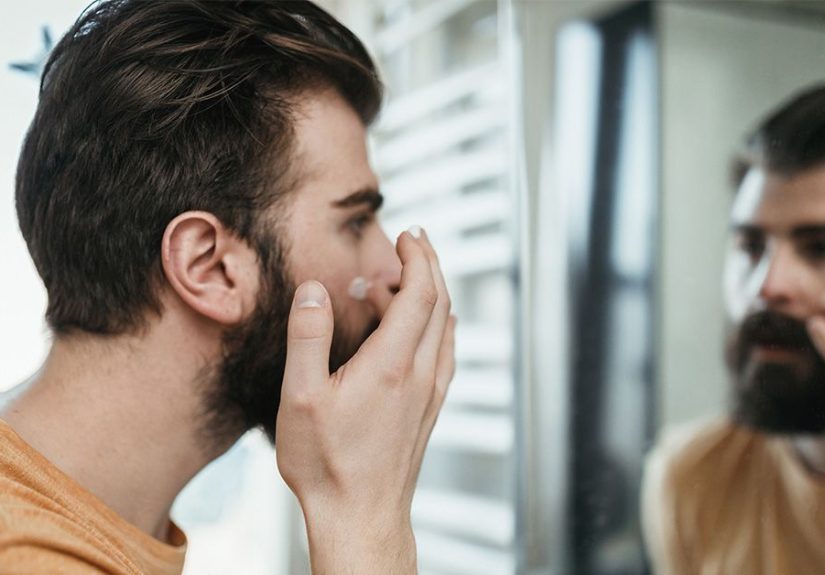
You know that moment when your face looks “fine” in the mirror… but your fingers strongly disagree?
Like your skin is quietly hoarding tiny bumps the way squirrels hoard acorns? That, my friend, is where
the idea of subclinical acne comes in: acne activity that’s happening under the surface
before you see a classic pimple.
This article breaks down what subclinical acne is (and isn’t), why it happens, how dermatology treatments
target it, and what you can do to prevent it from turning into a full-blown breakout. Expect science,
practical routines, and the occasional jokebecause if your pores are going to throw a party, you deserve
some entertainment too.
What Is Subclinical Acne?
Subclinical acne is a commonly used (but not always formally defined) term for
early acne changes happening in the skin before obvious pimples appear. In acne research and in
clinical explanations, this often overlaps with the concept of the microcomedone
the earliest “seed” of an acne lesion forming inside the follicle.
Think of a microcomedone as the first draft of a breakout: a tiny buildup of
sticky dead skin cells + oil (sebum) inside a hair follicle. It’s too small to show up as a
visible blackhead or whitehead, but it can evolve into thoseor into inflamed pimplesif conditions in the follicle
keep pushing in the wrong direction.
Subclinical Acne vs. “Normal” Skin Texture
Not every bump is acne. Some people naturally have more noticeable pores or texture, and certain conditions
(like keratosis pilaris) can mimic “tiny acne” without being acne at all. Subclinical acne is more likely when:
- You break out in a consistent pattern (same zones, same timing).
- You have frequent blackheads/whiteheads (comedonal acne) even when you’re not “actively” breaking out.
- Your skin feels bumpy under makeup or sunscreen, especially on the forehead, chin, and cheeks.
- Breakouts tend to arrive in waves after stress, hormones, sweat, or new products.
Why It Matters
If you only treat acne when pimples appear, you’re basically playing whack-a-mole with inflammation.
A smarter strategy is often preventing microcomedones from forming in the first place
which is exactly why dermatologists love certain “maintenance” treatments.
What Causes Subclinical Acne?
Acne isn’t one single issueit’s a group project with several troublemakers. Subclinical acne starts when
the follicle environment becomes acne-prone, usually due to a combination of:
1) Follicle Clogging (Abnormal Keratinization)
Your skin constantly sheds dead cells. Normally, those cells exit smoothly. In acne-prone follicles,
cells become stickier and shed in a way that encourages clogging. That “micro plug” is the foundation of
a microcomedone.
2) Excess Oil (Sebum) and Hormonal Influence
Sebaceous glands produce oil that helps protect the skin barrier. But when oil production ramps up
especially during puberty, menstrual cycles, pregnancy, stress-related hormonal shifts, or androgen sensitivity
oil can mix with shed skin cells and increase the odds of a clogged pore.
3) Cutibacterium acnes and the Follicle Microbiome
Cutibacterium acnes (formerly Propionibacterium acnes) lives on everyone’s skin. It isn’t
the villain in a black capemore like a roommate who gets annoying when the house is messy. When a follicle is clogged,
bacteria can thrive in the low-oxygen environment and contribute to inflammation.
4) Inflammation (Even Before You See a Pimple)
Here’s the plot twist: inflammation can start early in acne developmentsometimes before a visible lesion
pops up. That means subclinical acne isn’t always “quiet,” even if it looks quiet.
5) Triggers That Push Microcomedones Into Breakouts
Microcomedones can hang out under the surface… until something nudges them into becoming visible. Common pushes include:
- Comedogenic or heavy products (especially if they don’t agree with your skin).
- Occlusion (masks, tight helmets, chin straps, athletic gear).
- Sweat + friction (workouts, humid climates).
- Stress (which can influence hormones and inflammation).
- Picking/excess exfoliation (irritation can worsen inflammation).
- Diet patterns for some peopleespecially high glycemic load diets; dairy links are mixed.
- Medications (for example, certain steroids or hormone-related meds can worsen acne in some people).
How to Tell If You Have Subclinical Acne
Because it’s “subclinical,” you usually can’t diagnose it with a selfie. Dermatologists infer it based on your
pattern (recurring comedones, frequent flare-ups) and by examining your skin closely for early comedonal changes.
Research tools can detect microcomedones in seemingly normal skin, but you typically don’t need special testing to
benefit from prevention-focused treatment.
Quick Self-Check (Not a Diagnosis)
- Does your skin feel bumpy but look mostly clear?
- Do you get blackheads/whiteheads that never fully “go away,” even when inflamed pimples calm down?
- Do breakouts show up in the same places repeatedly (forehead, chin, jawline, cheeks, back)?
- Do you notice flare-ups after sweating, stress, hormonal changes, or new skincare/makeup?
If you’re nodding like you’re in a skincare TED Talk, your routine may need a microcomedone prevention strategy.
Treatment: How to Target Subclinical Acne Before It Shows Up
The best treatments for subclinical acne are the ones that interrupt acne at the earliest stageby normalizing
how follicles shed skin cells, reducing clog formation, controlling bacteria/inflammation, and protecting the skin barrier.
Top Dermatology-Backed Ingredients for Subclinical Acne
1) Topical Retinoids (The Microcomedone Bouncers)
If acne had a “most valuable player,” topical retinoids would be in the conversation.
They help prevent clogged pores by improving cell turnover and normalizing follicle shedding.
They’re commonly used for comedonal acne and as maintenance therapy.
- OTC: adapalene 0.1% gel (widely used for comedones and prevention)
- Prescription: tretinoin, tazarotene, trifarotene (stronger options depending on skin and acne severity)
Pro tip: Start low and slow (2–3 nights per week), moisturize, and wear sunscreen daily.
Retinoids can cause dryness and irritation early on, and consistency matters more than “going hard.”
2) Benzoyl Peroxide (Bacteria + Inflammation Control)
Benzoyl peroxide helps reduce acne-causing bacteria and inflammation, and it’s a common partner ingredient
in acne regimens (especially when antibiotics are involved, because it helps reduce resistance risk).
Lower concentrations can be effective with less irritation for many people.
If you’re using a prescription retinoid like tretinoin, many clinicians recommend not layering both at the same time.
A common strategy is benzoyl peroxide in the morning and retinoid at night (or alternating days), depending on tolerance.
3) Salicylic Acid (BHA) for Clogged Pores
Salicylic acid can help exfoliate and open clogged pores, making it useful for blackheads and whiteheads.
It’s often found in cleansers, leave-on toners, and spot products. If your skin gets cranky easily, a cleanser format
may be gentler than a strong leave-on.
4) Azelaic Acid (Bumps + Tone-Friendly Option)
Azelaic acid can help with acne and redness, and it’s often tolerated well. It’s a solid option
if you’re sensitive to stronger actives or if you’re managing both acne and uneven tone.
5) Topical Antibiotics (Short-Term, Usually in Combination)
Topical antibiotics (like clindamycin) may be used for inflammatory acne, typically combined with benzoyl peroxide
to reduce antibiotic resistance. They’re not usually the go-to for purely “subclinical” comedonal activity unless inflammation is a big feature.
When Subclinical Acne Needs Prescription Help
Sometimes the “invisible acne” phase is just the start of persistent acne. Consider seeing a dermatologist if you have:
- Frequent flares that don’t improve after 8–12 weeks of consistent OTC treatment.
- Painful nodules, deep cysts, or scarring.
- Significant emotional distress about your skin (this counts as “serious,” period).
- Acne linked to cycles/hormonal patterns that may benefit from hormonal therapies.
Dermatology treatment options may include stronger topical retinoids, oral antibiotics (time-limited),
hormonal therapy (like certain combined oral contraceptives or spironolactone for appropriate patients),
or isotretinoin for severe/resistant acnedepending on your situation.
Prevention: How to Keep Subclinical Acne From Becoming a Breakout
Prevention is not about “perfect skin.” It’s about reducing the conditions that let microcomedones multiply.
Here’s the approach that tends to work best: consistent routine + minimal irritation + smart actives.
A Simple, Practical Routine (Example)
Morning
- Gentle cleanser (or just rinse if you’re dry/sensitive).
- Optional: benzoyl peroxide wash or leave-on (if tolerated).
- Noncomedogenic moisturizer.
- Broad-spectrum sunscreen daily (especially if using retinoids/acids).
Night
- Gentle cleanser to remove sunscreen/makeup.
- Topical retinoid (start 2–3 nights/week, build up slowly).
- Moisturizer (you can “sandwich” retinoid between moisturizer layers if sensitive).
Product Habits That Quiet “Invisible” Acne
- Choose noncomedogenic makeup and skincare when possible.
- Avoid over-exfoliating. Irritated skin can break out more (yes, that’s rude, but true).
- Keep it boring for 6–8 weeks. Constant product-hopping makes it impossible to know what works.
- Shower soon after heavy sweating and consider acne washes for the chest/back if needed.
- Don’t pick. Picking turns tiny clogs into inflammation and increases scar risk.
Diet and Lifestyle: What’s Worth Trying?
Diet isn’t the cause of acne for everyone, but research suggests high glycemic load eating patterns can
worsen acne for some people. Dairy associations are mixed and may vary by individual and population.
If you suspect a link, consider a calm, structured experiment (not a food-panic spiral):
- Try reducing high glycemic foods for 8–12 weeks and watch your skin trend.
- If you suspect dairy, trial a reduction (not necessarily total elimination) and track results.
- Prioritize sleep and stress managementskin and stress are not casual acquaintances.
Common Mistakes That Make Subclinical Acne Worse
- Using too many actives at once (retinoid + strong acids + harsh cleanser = irritation city).
- Quitting after 2 weeks because you’re not seeing instant results. Many acne treatments take 8–12 weeks.
- Confusing dryness with “it’s working.” You can treat acne without frying your face.
- Skipping sunscreen while using retinoids/acids (more irritation, more discoloration risk).
- Trying to “scrub out” clogged pores instead of preventing them from forming.
Experiences: What Subclinical Acne Looks Like in Real Life (and What People Learn the Hard Way)
Subclinical acne is sneaky, and the real-life experience often sounds less like “I have acne” and more like:
“Why does my skin feel like a tiny gravel road under foundation?” People who deal with it often describe a cycle:
a week or two of mostly calm skin, then a sudden “popcorn effect” where several small pimples appear at once. In hindsight,
those pimples weren’t randomthey were microcomedones that had been quietly brewing.
One common experience is the makeup betrayal. Someone might feel their skin looks clear, but once they apply
tinted moisturizer or sunscreen, texture becomes obviousespecially on the forehead, chin, and near the nose. That’s often
when they start attacking the problem with exfoliators, scrubs, and “pore vacuum” enthusiasm. The result? Temporary smoothness,
followed by irritation and more bumps. Many people eventually learn that for subclinical acne,
gentle consistency beats aggressive intensity.
Another frequent theme is the product launch disaster: a new “glowy” oil, rich sleeping mask, heavy hair product,
or thick sunscreen that works great for a friend but triggers weeks of tiny bumps. Because subclinical acne isn’t immediately
visible, it’s easy to blame hormones, stress, or “my skin being dramatic.” Over time, people who figure it out often start doing
simple tests: changing one thing at a time, using noncomedogenic formulas, and paying attention to where bumps appear.
Hair products, for example, can trigger forehead or temple breakouts when they sit on the skin.
Many also describe the retinoid learning curve. The first few weeks can be rough: dryness, flaking,
sensitivity, maybe even a temporary breakout as clogged pores surface faster (often called “purging,” though not every flare is purging).
People who succeed long-term usually share the same strategy: they start with a small amount, use it a few nights per week,
moisturize generously, and commit to sunscreen. Eventually, they notice the bumpy under-skin texture starts smoothing out,
and those “random” pimples show up less often. It’s not magicit’s maintenance.
Then there’s the stress-and-sweat combo: deadlines, poor sleep, intense workouts, and a humid week can turn
invisible congestion into visible breakouts fast. The people who manage it best don’t stop living their lives; they add tiny
supportsshowering soon after sweating, using a gentle acne wash on the body, changing pillowcases more often, and avoiding
the temptation to scrub their skin raw “to fix it quickly.”
Finally, there’s the emotional piece. Subclinical acne can be frustrating precisely because it feels unfair:
you can be doing “everything right,” and your skin still acts like it has its own opinions. A helpful mindset shift many people report is
treating acne like a chronic tendency, not a personal failure. The goal becomes fewer flare-ups, faster recovery, and less irritation
not a life spent interrogating every pore in the mirror under bathroom lighting that should honestly be illegal.
Conclusion
Subclinical acne is best understood as acne activity that starts before you see obvious pimplesoften tied to microcomedones
forming inside the follicle. The most effective strategy is usually prevention-focused: keep the skin barrier calm, avoid clogging triggers,
and use proven actives (especially topical retinoids) consistently enough to stop microcomedones from “graduating” into visible acne.
If OTC steps aren’t working after a solid trial, or if acne is painful, scarring, or affecting your confidence, a dermatologist can tailor
treatment so you’re not stuck guessing.