Table of Contents >> Show >> Hide
- What Is Suiza Enchilada Sauce?
- Why This Recipe Works
- Ingredients for Suiza Enchilada Sauce
- How to Make Suiza Enchilada Sauce
- How to Use Suiza Enchilada Sauce for Enchiladas
- Flavor Variations
- Common Mistakes to Avoid
- What to Serve With Suiza Enchilada Sauce
- Storage and Reheating Tips
- Frequently Asked Questions
- Personal Kitchen Experience: Making Suiza Enchilada Sauce Feel Like Home
- Conclusion
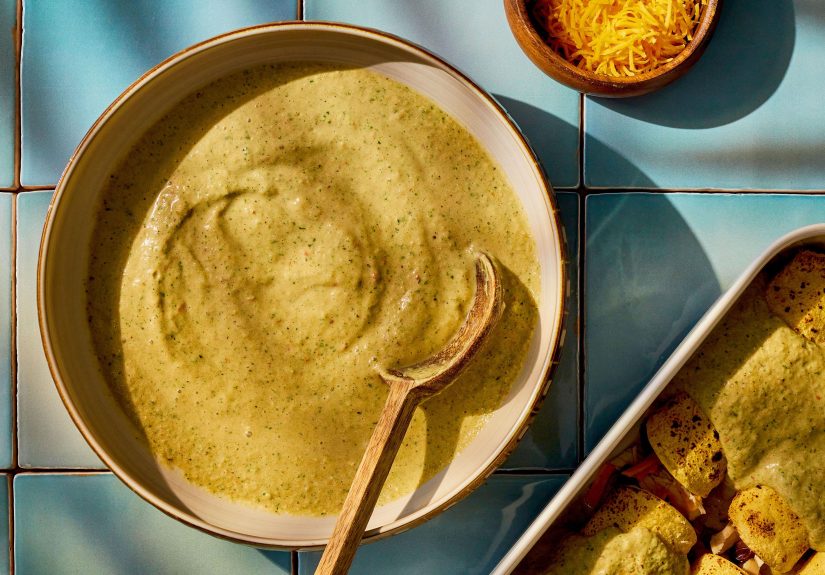
If salsa verde and cream sauce had a very delicious, very dramatic baby, it would be Suiza enchilada sauce. This creamy green sauce is tangy from tomatillos, mellowed by Mexican crema, brightened with cilantro, and made gloriously cozy with melted cheese. It is the kind of sauce that turns a simple pan of chicken enchiladas into the dinner people casually “check on” three times before it leaves the oven.
The name Suiza means “Swiss,” but do not worry: nobody is asking you to wear lederhosen while roasting tomatillos. In Mexican cooking, enchiladas suizas are commonly associated with a rich, dairy-forward style of enchiladas made with green sauce, cream, and cheese. The dish is widely credited to Mexico City restaurant culture, especially Sanborns, where creamy green enchiladas became famous for their comforting, cheesy personality. In practical home-cook terms, that means one thing: this sauce is salsa verde wearing its fancy dinner jacket.
This in-depth guide shows you how to make a smooth, flavorful Suiza enchilada sauce recipe from scratch using real tomatillos, green chiles, garlic, onion, cilantro, broth, crema, and cheese. You will also get substitutions, troubleshooting tips, storage advice, serving ideas, and a longer personal-experience section for anyone who wants the sauce to taste like it came from a busy family kitchen instead of a bland recipe card.
What Is Suiza Enchilada Sauce?
Suiza enchilada sauce is a creamy tomatillo-based green sauce used most often for enchiladas suizas, a Mexican-style baked enchilada dish typically filled with shredded chicken and topped with cheese. The base usually starts with tomatillos, green chiles, onion, garlic, and cilantro. That mixture becomes salsa verde. Then cream, Mexican crema, sour cream, heavy cream, or a combination of dairy is added to create the signature silky texture.
Unlike a standard green enchilada sauce, Suiza sauce is richer, smoother, and milder. The tomatillos bring acidity, the chiles bring warmth, the garlic and onion bring depth, and the dairy rounds off the edges so the sauce tastes bright without becoming sharp. Cheese often enters the party at the end, either stirred into the sauce or baked over the top of the enchiladas until bubbling.
Why This Recipe Works
This recipe uses roasted tomatillos instead of only boiled ones. Boiling is convenient and gives a clean, tangy flavor, but roasting adds a little smoky sweetness that makes the sauce taste deeper. The onion and garlic roast alongside the tomatillos, softening their bite and giving the finished sauce a restaurant-style flavor without requiring restaurant-style stress.
The sauce is blended until smooth, simmered briefly with broth, and then finished with crema off the heat. That last detail matters. If you boil cream aggressively, it can separate and look grainy. Nobody wants enchiladas that look like they are going through an emotional crisis. Gentle heat keeps the sauce velvety.
Ingredients for Suiza Enchilada Sauce
Main Ingredients
- 1 1/2 pounds tomatillos, husked and rinsed
- 1 small white onion, quartered
- 3 garlic cloves, peeled
- 1 poblano pepper, optional but recommended
- 1 to 2 serrano or jalapeño peppers, depending on heat preference
- 1/2 cup fresh cilantro, stems included if tender
- 1 cup chicken broth, or vegetable broth
- 3/4 cup Mexican crema, or sour cream thinned with a little milk
- 1/2 cup shredded Monterey Jack, Oaxaca, or mozzarella cheese
- 1 tablespoon neutral oil
- 1 teaspoon kosher salt, plus more to taste
- 1/4 teaspoon black pepper
- 1 tablespoon lime juice, optional, for extra brightness
Best Ingredient Notes
Tomatillos: Choose firm, bright green tomatillos with papery husks. They should feel slightly sticky once the husks are removed. That stickiness is normal, not a vegetable crime scene.
Chiles: Jalapeños are milder and rounder. Serranos are sharper and hotter. Poblanos add earthy flavor without turning the sauce into a dare.
Crema: Mexican crema gives the most authentic tangy richness. Sour cream works well, but it is thicker and more acidic, so thin it with one or two tablespoons of milk or broth before adding it to the sauce.
Cheese: Oaxaca melts beautifully, Monterey Jack is easy to find, and mozzarella works in a pinch. Avoid very sharp cheddar here; it can overpower the green sauce.
How to Make Suiza Enchilada Sauce
Step 1: Roast the Vegetables
Place the tomatillos, onion, garlic, poblano, and jalapeño or serrano peppers on a rimmed baking sheet. Broil for 5 to 7 minutes, then turn the vegetables and broil for another 4 to 6 minutes. You want blistered spots, softened tomatillos, and a little char. A little blackening is flavor; a sheet pan full of ashes is a plot twist.
Step 2: Steam and Peel the Poblano
If using a poblano, place it in a bowl and cover it for 10 minutes after roasting. Peel off the loose skin, remove the stem and seeds, and add the flesh to the blender. This step gives the sauce a smoother texture and keeps the poblano flavor mellow.
Step 3: Blend the Sauce
Add the roasted tomatillos, onion, garlic, poblano, chiles, cilantro, salt, pepper, and broth to a blender. Blend until smooth. For a rustic sauce, leave it slightly textured. For a glossy restaurant-style Suiza sauce, blend until fully silky.
Step 4: Simmer for Flavor
Heat the oil in a saucepan over medium heat. Pour in the blended sauce and simmer for 8 to 10 minutes, stirring often. The sauce should deepen in color and thicken slightly. Taste it. If it feels too sharp, simmer a little longer. If it feels too thick, add a splash of broth.
Step 5: Add the Cream and Cheese
Lower the heat to medium-low. Stir in the Mexican crema until fully combined. Add the shredded cheese and stir until melted. Do not boil the sauce hard after adding the dairy. Keep it gentle and smooth. Finish with lime juice if the sauce needs a brighter finish.
How to Use Suiza Enchilada Sauce for Enchiladas
To make classic enchiladas suizas, warm 10 to 12 corn tortillas until flexible. Lightly dip each tortilla into the warm sauce, fill with shredded chicken, roll, and place seam-side down in a baking dish. Pour more Suiza sauce over the top, sprinkle with cheese, and bake at 375°F for 20 to 25 minutes, or until bubbling around the edges.
Good fillings include shredded rotisserie chicken, poached chicken, turkey, roasted vegetables, mushrooms, black beans, or pinto beans. Chicken is traditional for many versions, but this sauce is friendly enough to make vegetables feel like the main character.
Flavor Variations
Extra Creamy Suiza Sauce
Add 2 ounces of cream cheese while blending or simmering. This creates a thicker, ultra-rich sauce that clings beautifully to tortillas. It is not the lightest version, but neither is a blanket fresh from the dryer, and we still respect that.
Spicy Suiza Sauce
Use two serrano peppers and keep some seeds. Add a pinch of cayenne if you want more heat without changing the green flavor. Taste before adding more; tomatillo sauce can go from cheerful to “why is my forehead sweating?” faster than expected.
Weeknight Shortcut Version
Blend 3 cups of good-quality jarred salsa verde with 3/4 cup Mexican crema, 1 garlic clove, fresh cilantro, and 1/2 cup broth. Simmer briefly, then add cheese. This shortcut is excellent when dinner needs to happen before everyone starts eating shredded cheese directly from the bag.
Vegetarian Suiza Sauce
Use vegetable broth instead of chicken broth. Pair the sauce with spinach, mushrooms, roasted zucchini, corn, beans, or poblano strips. The creamy green base has enough flavor to carry a meatless enchilada without tasting like a compromise.
Common Mistakes to Avoid
Adding crema over high heat: This can cause separation. Lower the heat before stirring in dairy.
Skipping salt: Tomatillos need salt to taste full and balanced. Add gradually, but do not forget it.
Using flour tortillas for baked enchiladas: You can, but corn tortillas hold the sauce better and give a more traditional flavor.
Not warming the tortillas: Cold corn tortillas crack when rolled. Warm them in a skillet, microwave, or oven before filling.
Overbaking: Once the sauce bubbles and the cheese melts, you are done. Too much baking can dry out the filling.
What to Serve With Suiza Enchilada Sauce
This sauce is famous for enchiladas, but it does not have to retire after one job. Spoon it over chilaquiles, grilled chicken, roasted potatoes, breakfast eggs, rice bowls, burritos, or baked fish. It also makes an excellent sauce for tamales or a creamy topping for tacos dorados.
For side dishes, serve enchiladas suizas with Mexican rice, refried beans, avocado salad, pickled red onions, lime wedges, or a crunchy cabbage slaw. The sauce is rich, so fresh and acidic sides help balance the plate.
Storage and Reheating Tips
Store Suiza enchilada sauce in an airtight container in the refrigerator for 3 to 4 days. Reheat gently in a saucepan over low heat, stirring often. If the sauce thickens in the fridge, add a splash of broth or milk to bring it back to a pourable consistency.
You can freeze the tomatillo base before adding cream and cheese for the best texture. Dairy-based sauces can sometimes separate after freezing, so if you plan ahead, freeze the roasted and blended green sauce, then add crema and cheese after thawing and reheating.
Frequently Asked Questions
Is Suiza enchilada sauce the same as salsa verde?
No. Salsa verde is usually a tangy green sauce made with tomatillos, chiles, onion, garlic, and cilantro. Suiza enchilada sauce starts with salsa verde flavors but adds cream and often cheese, making it richer and smoother.
Can I make Suiza enchilada sauce without tomatillos?
Tomatillos are the classic base, but in a pinch you can use jarred salsa verde. Green tomatoes are not an exact substitute because they lack the same tart, citrusy tomatillo character.
Can I use sour cream instead of Mexican crema?
Yes. Thin sour cream with a little broth or milk before stirring it into the sauce. Add it over low heat to reduce the chance of curdling.
How spicy is this sauce?
With one jalapeño, it is mild to medium. With serranos or extra seeds, it becomes noticeably hotter. The crema softens the heat, so the final sauce tastes balanced rather than fiery.
Can I make it ahead?
Yes. Make the sauce one day ahead and refrigerate it. Reheat gently before assembling enchiladas. For the freshest texture, add the cheese when reheating rather than boiling it repeatedly.
Personal Kitchen Experience: Making Suiza Enchilada Sauce Feel Like Home
The first thing you learn when making Suiza enchilada sauce is that tomatillos are louder than they look. They sit quietly in their little papery jackets at the grocery store, pretending to be shy, and then the second they hit the broiler they become fragrant, tangy, and a little smoky. That is the moment the kitchen starts smelling like dinner is going to be better than expected.
My favorite experience with this sauce is making it on a night when nobody has the energy for a complicated meal, but everyone still wants something that tastes like effort. The trick is to treat the sauce as the main event. Even if the filling is just leftover chicken, the creamy tomatillo sauce makes the whole dish feel intentional. It is the culinary equivalent of putting on a clean shirt before a video call: suddenly everything looks organized.
Roasting the vegetables has become my non-negotiable step. I have tried boiled tomatillos, and they absolutely work, especially when time is short. But roasted tomatillos bring a rounder flavor. The edges caramelize, the onion gets sweeter, the garlic softens, and the peppers lose their raw bite. When everything goes into the blender with cilantro and broth, the sauce turns a bright green that looks fresh but tastes deeper than its color suggests.
The cream step is where patience pays off. I once added cold sour cream to a sauce that was boiling like a tiny green volcano. The flavor was fine, but the texture became slightly grainy, and the sauce looked like it had trust issues. Since then, I lower the heat, stir slowly, and let the crema melt into the sauce instead of shocking it. That tiny adjustment makes the difference between “good home dinner” and “please tell me there is more in the pan.”
Another useful lesson: make more sauce than you think you need. Tortillas drink sauce. Chicken drinks sauce. The corners of the baking dish definitely drink sauce. A dry enchilada is a sad enchilada, and frankly it has been through enough. Extra Suiza sauce can be spooned over the enchiladas after baking, saved for eggs the next morning, or used as a dip for tortilla chips while pretending you are only “checking the seasoning.”
This sauce also teaches balance. Tomatillos are naturally tart, so cream is not just there for luxury; it is there to calm the acidity. Chiles bring heat, but cheese gives comfort. Cilantro adds freshness, while roasted garlic adds warmth. When the sauce works, no single ingredient shouts. It tastes bright, creamy, savory, and just spicy enough to make each bite interesting.
The best serving experience is pulling the baking dish from the oven when the cheese is bubbling and slightly browned at the edges. Let it rest for five minutes, even though this feels personally unfair. Then add thin onion slices, cilantro, avocado, or a squeeze of lime. The first bite should be creamy, tangy, cheesy, and soft, with just enough roasted chile flavor to remind you that this is not ordinary cream sauce. It is Suiza enchilada sauce, and it knows exactly what it is doing.
Conclusion
A great Suiza enchilada sauce recipe is all about contrast: tangy tomatillos, mellow cream, warm chiles, savory garlic, fresh cilantro, and melty cheese. It is simple enough for a weeknight but special enough for company, which is exactly the kind of recipe worth keeping close. Use it for chicken enchiladas suizas, vegetarian enchiladas, breakfast chilaquiles, or anything that could use a creamy green upgrade.
Once you understand the method, you can adjust the heat, richness, and texture to fit your kitchen. Roast the vegetables for depth, blend until smooth, simmer briefly, and add the crema gently. That is the whole secret. Well, that and making enough sauce so nobody has to politely scrape the baking dish while pretending they are “helping clean up.”
Note: This article synthesizes established cooking guidance from reputable U.S. culinary and food-safety references and is written as original, publication-ready content without source-link clutter.