Table of Contents >> Show >> Hide
- What Is a Tenugui?
- A Brief History of Tenugui
- Why Tenugui Work So Well
- Everyday Uses for Tenugui
- Tenugui vs. Other Cloths
- How to Choose a Good Tenugui
- How to Wash and Care for Tenugui
- Why Tenugui Fit Modern Sustainable Living
- Common Mistakes People Make
- Experience With Tenugui: Living With a Cloth That Does Almost Everything
- Final Thoughts
- SEO Tags
Some household items are so practical they become invisible. A dish towel is a dish towel. A napkin is a napkin. A scarf is a scarf. Then along comes tenugui, a slim Japanese cotton cloth that looks modest, behaves brilliantly, and quietly makes half the stuff in your kitchen drawer feel a little dramatic. If minimalism had a favorite accessory, it would probably be a tenugui.
These multi purpose cotton cloths have been part of everyday Japanese life for centuries, and their staying power is no mystery. They are light, washable, compact, quick to dry, easy to fold, and endlessly adaptable. You can use one to dry your hands, wrap a lunch, line a basket, protect your neck from the sun, display art on the wall, or tuck into a travel bag as the small hero that saves the day when life gets sticky, sweaty, or unexpectedly damp.
In a world of overbuilt products promising twelve features and delivering three, tenugui are refreshingly honest. They are simply rectangles of cotton with good design and better manners. This guide explains what a tenugui is, why people love it, how it compares to other cloths, and why it still feels surprisingly modern in today’s kitchens, bathrooms, closets, and carry-on bags.
What Is a Tenugui?
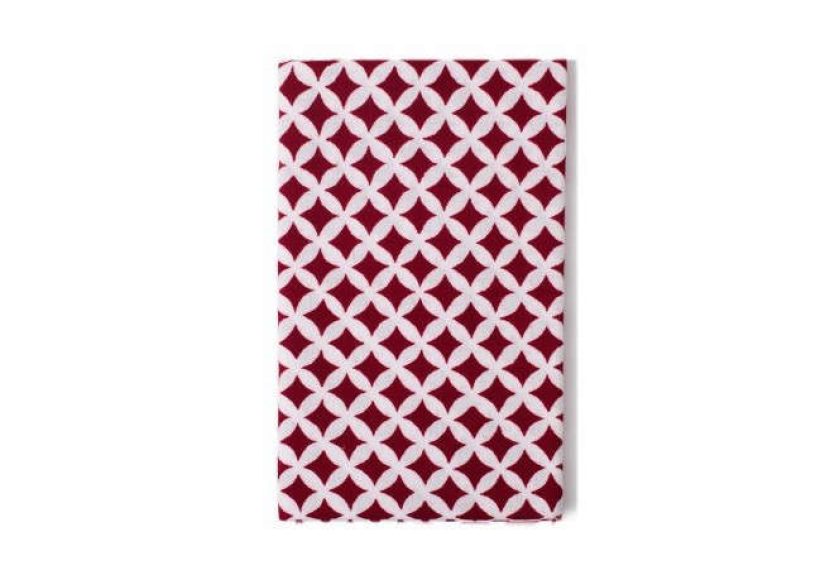
A tenugui is a traditional Japanese cotton cloth, usually long and narrow, often measuring around 13 by 35 inches. At first glance, it may resemble a hand towel, bandana, tea towel, or decorative cloth. In reality, it lives somewhere in the sweet spot between all of them. It is thinner than a Western terry towel, flatter than a washcloth, and more practical than the drawer full of “special linens” that nobody dares to actually use.
The word itself is commonly understood as a hand-wiping cloth, but that tidy definition barely covers its real-life range. A tenugui can function as a kitchen towel, wrapping cloth, head covering, napkin, cleaning cloth, table accent, bath companion, or gift wrap. Many are made of plain-weave cotton and feature hand-dyed or printed designs, from geometric patterns and seasonal motifs to playful animals, classic waves, flowers, food, and landscapes.
One of the most distinctive features of a traditional tenugui is its unhemmed edge. That detail may look unfinished to first-time buyers, but it is part of the point. Without bulky hems, the cloth dries faster, stays lighter, and folds flatter. The edges may fray at first, but with use they settle down into a soft fringe. In other words, tenugui age like good denim and far better than that mystery sponge by the sink.
A Brief History of Tenugui
The history of tenugui stretches back many centuries in Japan, with roots often linked to early bathing, cleaning, and daily household practices. Over time, as cotton became more widely available, tenugui became more common among ordinary people. By the Edo period, they had grown into a familiar part of everyday life, especially in bath culture, workwear, travel, and commerce.
That everyday usefulness matters. Tenugui were never only decorative objects. They were practical textiles carried by workers, worn on the head, used at bathhouses, given as gifts, and sometimes printed for stores, temples, performances, or special events. In other words, long before branded tote bags and free promotional T-shirts took over the world, tenugui were already doing the job with more elegance and less bulk.
Today, tenugui still bridge utility and beauty. They belong to the same category as the best traditional design objects: things made for ordinary life that happen to look extraordinary. Their cultural longevity comes from this balance. They are useful enough to justify owning several, and beautiful enough to make you pretend that is a deeply philosophical choice rather than a shopping habit.
Why Tenugui Work So Well
Lightweight and compact
A tenugui folds down to almost nothing, which makes it perfect for travel, commuting, gym bags, diaper bags, lunch totes, and glove compartments. It adds almost no weight, yet it can stand in for several other textiles during the day.
Quick-drying by design
Because the fabric is thin and the edges are traditionally left unhemmed, tenugui dry quickly after use. That makes them appealing in kitchens, bathrooms, and travel situations where damp fabric can turn into a science experiment you never agreed to fund.
Soft but not bulky
Tenugui are not fluffy like terry towels, and that is exactly why many people love them. They wipe efficiently, air out quickly, and do not take over an entire shelf. If your linen closet already has the spatial drama of a packed elevator, tenugui are a smart downgrade in size and an upgrade in function.
Beautiful enough to display
Many tenugui are dyed or printed with striking designs, which means they can move from utility to decor without apology. A cloth used in the kitchen in the morning can become a framed textile or table accent by evening. That is not just multiuse. That is overachieving.
Everyday Uses for Tenugui
The beauty of tenugui is that you do not have to use them in some officially approved traditional way. They fit into modern life naturally, especially if you like practical objects that do more than one job.
In the kitchen
Use a tenugui as a hand towel, produce-drying cloth, tea towel, bread cloth, placemat, or casual napkin. It also works well for wrapping a lunch box or covering food while dough rests. Because it dries quickly, it is easier to rotate than thicker towels that stay damp for ages.
For travel
A tenugui makes a strong travel companion. It can act as a hand towel, improvised scarf, picnic cloth, eye shield on a train, wrapping for fragile items, or backup washcloth. If a trip goes smoothly, it is convenient. If a trip goes sideways, it becomes the sort of object you suddenly describe as “surprisingly essential.”
As clothing and accessories
People wear tenugui as headbands, neck cloths, sweatbands, or simple hair wraps. In hot weather, a damp tenugui around the neck can feel wonderfully cooling. In outdoor work, gardening, hiking, or festivals, it also helps keep sweat in check without needing anything bulky.
For gift wrapping and carrying
Tenugui can wrap bottles, books, lunch containers, and small gifts. This makes them useful for eco-conscious gifting because the wrapping is part of the present rather than instant trash. That is a neat trick and a polite one.
In home decor
Some tenugui are so visually appealing that people frame them as textile art. Others are used as shelf liners, table runners, wall hangings, basket liners, or seasonal accents. A floral or indigo-patterned tenugui can make a small space feel curated instead of merely “the place where I dropped my keys and unopened mail.”
Tenugui vs. Other Cloths
Tenugui vs. Western towels
Western towels are plush, absorbent, and excellent for drying off after a shower. They are also bulky, slower to dry, and not especially versatile once they leave the bathroom. Tenugui are lighter, flatter, and faster to dry, though less plush. If you want coziness, reach for terry. If you want agility, tenugui wins.
Tenugui vs. bandanas
A bandana is usually smaller and often thicker in feel. A tenugui offers more wrapping length, more coverage, and more decorative potential. Bandanas are great for a pocket. Tenugui are great for an entire day.
Tenugui vs. furoshiki
Furoshiki are Japanese wrapping cloths often designed specifically for carrying and wrapping objects. Tenugui can do some of that work too, but they are typically narrower and more suited to wiping, wearing, and everyday textile use. If furoshiki are the elegant gift-wrap experts, tenugui are the energetic generalists.
How to Choose a Good Tenugui
When shopping for a tenugui, start with material. Cotton is the classic choice because it is breathable, washable, and comfortable against the skin. Then consider size. Standard sizes are versatile, but some extra-long versions are especially useful for wearing around the head or neck.
Next, look at the design and dyeing style. Some tenugui are machine printed, while others use traditional dyeing methods such as chusen, which often create rich color and a softer, more dimensional look. If you want a tenugui for decor, pick a pattern that can hold visual attention. If you want one for heavy kitchen use, choose a design you will not panic over when it meets soy sauce.
Finally, be honest about how you will use it. A tenugui meant for food prep may need simple care and colorfastness. One meant for display can be more delicate or artistic. The best tenugui is not necessarily the fanciest one. It is the one you will actually reach for again and again.
How to Wash and Care for Tenugui
Care is simple, but there are a few good habits worth knowing. New tenugui, especially richly dyed ones, may release some excess color during the first washes. Washing separately at first is wise. Cold or cool water is a safe choice, and gentle detergent helps preserve both the cloth and the design.
Hand-washing is often recommended for delicate or hand-dyed pieces, though many people machine wash them on a gentle cycle. Air-drying is ideal, and because tenugui dry fast, this is rarely inconvenient. Avoid heavy heat if you want the cloth to last and the color to stay lively.
Do not panic if the edges fray in the beginning. That is normal. Loose threads can be trimmed, and over time the fraying usually settles. Think of it less as damage and more as the cloth introducing itself.
Why Tenugui Fit Modern Sustainable Living
One reason tenugui feel so relevant now is that they align with a more thoughtful, less disposable way of living. They can replace paper towels for many light tasks, serve as reusable gift wrap, reduce the need for single-purpose accessories, and help households rely on fewer but better objects.
They also encourage a different relationship with textiles. A tenugui is not precious in the untouchable sense. It is precious because you can live with it. Use it, wash it, fade it, fold it, hang it, pack it, and let it become part of your routine. That kind of longevity is far more interesting than buying something new every time a tiny problem appears.
For people drawn to sustainable home habits, Japanese textiles, or smarter everyday design, tenugui offer an appealing middle ground between tradition and practicality. They are not trying to save the world by themselves, but they do make reusable living feel more attractive and less like a punishment for forgetting your tote bag.
Common Mistakes People Make
The first mistake is expecting a tenugui to behave exactly like a fluffy bath towel. It will not. It is better at wiping, wrapping, layering, and drying quickly than it is at impersonating a luxury spa robe.
The second mistake is being afraid to use it because it looks too pretty. A tenugui is supposed to participate in life. Hanging it untouched forever is a little like buying a bicycle and only complimenting the tires.
The third mistake is overlooking how many spaces it can improve. Once people start using tenugui in the kitchen or on the go, they often realize it also works in the bathroom, car, office, picnic basket, gym locker, or guest room. It is one of those rare objects that earns its keep quickly.
Experience With Tenugui: Living With a Cloth That Does Almost Everything
My favorite thing about tenugui is not that it is traditional, beautiful, or even wildly practical, though it is all three. It is that the cloth changes the way you think about everyday objects. The first time you use one, you assume it will be a charming little specialty item. Something between a souvenir and a nice kitchen accessory. Then a week passes, and suddenly it is drying your hands, wrapping a snack, lining a fruit basket, and riding in your bag like it pays rent.
What stands out most is how easy it is to live with. A thick towel asks for space, drying time, and some degree of commitment. A tenugui asks almost nothing. You wash it, hang it, and half an hour later it is basically ready for another shift. That speed changes behavior. You reach for it more often because it feels low maintenance. It becomes the cloth you grab when you spill coffee, need a placemat, want to wrap a loaf of bread, or realize the public restroom has one broken dryer and a line of defeated people.
There is also something oddly satisfying about the texture. Tenugui do not feel plush in the usual towel sense, but they feel efficient. The cotton softens over time, and the cloth starts to mold itself to your habits. A newer one may feel crisp and bright. An older one feels broken in, familiar, almost companionable. That sounds dramatic for a rectangle of cotton, but here we are.
I also love how tenugui blur the line between practical and decorative. In many homes, useful things hide and pretty things sit around doing very little. Tenugui refuse to choose a side. One day they are wiping washed herbs in the kitchen. The next day they are folded under a teapot, framed on the wall, or tied around a gift bag looking far more elegant than the amount of effort actually involved. They make ordinary tasks feel slightly more thoughtful, which is no small gift in a busy day.
Another experience people often mention is how tenugui encourage reuse without making life harder. That matters. Plenty of reusable products are morally impressive and logistically annoying. Tenugui are the opposite. They slip into routines naturally. Keep one in the car, one in the kitchen, one in a backpack, one by the sink, and one near the front door, and you start noticing how many small disposable items they replace without ceremony.
Over time, the best part may be the relationship that forms with specific pieces. A tenugui bought on a trip, given as a gift, or picked for a season gathers memory through use. It fades a little, softens a little, and begins to carry the kind of quiet history that only well-used household objects get. That is why tenugui feel bigger than they are. They are not just useful cloths. They are daily-life companions with unusually good taste.
Final Thoughts
Tenugui prove that great design does not have to be complicated. A simple cotton rectangle can still outperform more specialized products when it is thoughtfully made, easy to care for, and beautiful enough to keep in view. These Japanese cotton cloths have lasted because they solve everyday problems gracefully: they wipe, wrap, dry, decorate, travel, and adapt.
For anyone interested in multi purpose cotton cloths, sustainable home habits, Japanese textiles, or smart small-space living, tenugui are worth knowing. They are affordable, flexible, and charming in a way that never feels forced. Once you start using them, it becomes very hard to argue for drawers full of one-job fabrics. The tenugui does not shout. It simply shows up, does the work, and looks good doing it.