Table of Contents >> Show >> Hide
- A quick note about “best in 2022” (and why it still matters)
- What makes an embroidery machine “the best”?
- The 10 Best Embroidery Machines in 2022
- 1) Brother SE1900 Best overall combo (sewing + embroidery)
- 2) Brother SE600 Best budget-friendly combo for beginners
- 3) Brother PE800 Best embroidery-only machine for upgrading to 5" x 7"
- 4) Brother PE535 Best small embroidery machine for monograms and gifts
- 5) Janome Memory Craft 500E Best embroidery-only for serious home projects
- 6) Janome Memory Craft 9850 Best midrange combo for variety and editing
- 7) Husqvarna Viking DESIGNER JADE™ 35 Best for embroidery space without going “ultra-premium”
- 8) PFAFF creative™ 1.5 Best for precision feeding (IDT) and clean stitching
- 9) bernette b79 Best value “feature-heavy” combo for ambitious beginners
- 10) Baby Lock Solaris 2 Best premium “go big or go home” machine
- How to choose the right embroidery machine (without overthinking yourself into paralysis)
- Accessories you’ll actually use (and should budget for)
- Practical tips for cleaner results (from day one)
- Real-life experiences with embroidery machines (the part nobody puts on the box)
- Conclusion: The best embroidery machine is the one you’ll actually use
In 2022, embroidery machines hit a sweet spot: powerful enough to stitch jaw-dropping designs, but friendly enough that you didn’t need a PhD in “mysterious thread tangles” to use one.
Whether you wanted to monogram towels, jazz up denim jackets, or turn plain throw pillows into “Wait… you MADE that?!” conversation starters, the best embroidery machines of 2022 made it easierand a lot more fun.
This guide rounds up top picks that were widely recommended and widely available in 2022 (many are still popular on the secondhand market today). You’ll get clear “best for” categories, what features actually matter, and what it’s like to live with these machines once the honeymoon phase (and the first bobbin bird’s nest) is over.
A quick note about “best in 2022” (and why it still matters)
If you’re shopping specifically for 2022-era machines, you’re usually doing one of three things: buying used, grabbing old stock, or comparing “classic” models that kept selling for years because they simply worked.
The good news: embroidery tech doesn’t become useless overnight. A solid machine with a good hoop size, dependable tension, and easy design importing can stay relevant for a long timeespecially for home crafting.
What makes an embroidery machine “the best”?
1) Embroidery-only vs. sewing-and-embroidery combo
Embroidery-only machines focus on stitching designs and lettering. They’re often simpler for beginners and can offer bigger hoops for the price.
Combo machines sew like a regular sewing machine and embroider toogreat if you want one device to handle hems, zippers, quilting seams, and decorative stitching.
2) Hoop size (a.k.a. how big you can stitch without re-hooping)
Hoop size is the difference between “one-and-done” and “why am I aligning this for the fourth time while whispering apologies to the fabric?”
Common sizes in 2022:
4" x 4" (ideal for monograms, small motifs) and 5" x 7" (a big upgrade for larger designs).
Premium machines go much larger, which matters for quilts, big jacket backs, and statement pieces.
3) Design importing, file formats, and editing
Most home embroidery ecosystems in 2022 revolved around formats like .PES (common with Brother/Baby Lock) or .JEF (common with Janome).
A USB port is your best friend: it lets you import purchased designs, custom logos (digitized properly), and seasonal patterns without wrestling with ancient CDs.
On-screen editingrotate, resize, mirrorsounds “nice,” until it saves your project at 11:58 p.m.
4) Support, parts, and community
The best machine is the one you can actually get help with. In 2022, brands with big user communities (and easy-to-find accessories like hoops and needles) made learning faster and troubleshooting less dramatic.
The 10 Best Embroidery Machines in 2022
These picks balance real-world usability, features that mattered most in 2022, and models that earned strong reputations among home crafters.
1) Brother SE1900 Best overall combo (sewing + embroidery)
Best for: makers who want one machine to sew garments and embroider gifts without upgrading immediately.
The SE1900 was a standout combo pick because it brought a larger hoop size to a machine that still felt approachable.
It’s the kind of machine that can hem pants in the afternoon and monogram baby blankets at nightwithout giving you emotional whiplash.
- Embroidery field: 5" x 7"
- Built-in embroidery designs: 138
- Built-in stitches: 240
- Built-in fonts: 11
- Why it rocks: roomy hoop + solid stitch library + color touchscreen for previewing designs
Example project ideas: quilt label sets, personalized apron pockets, name patches for backpacks, “fancy” dish towels that look store-bought.
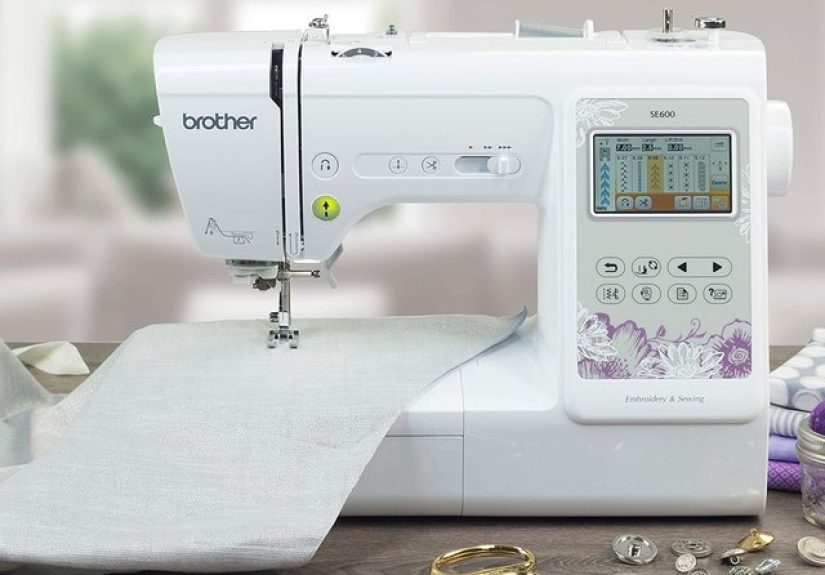
2) Brother SE600 Best budget-friendly combo for beginners
Best for: first-time embroidery users who also want basic sewing features without paying premium prices.
If you want embroidery without committing to a “mortgage but make it thread,” the SE600 was a go-to in 2022.
The 4" x 4" hoop keeps projects manageable, and the learning curve is gentlelike training wheels, but for creativity.
- Embroidery field: 4" x 4"
- Built-in embroidery designs: 80
- Built-in sewing stitches: 103
- Why it rocks: excellent value, USB importing, friendly interface
Example project ideas: monogrammed napkins, small floral motifs on tote bags, kid-name labels for school gear.
3) Brother PE800 Best embroidery-only machine for upgrading to 5" x 7"
Best for: people who want embroidery as the main event, with a bigger hoop than entry-level machines.
The PE800 was frequently recommended in 2022 for a simple reason: 5" x 7" changes everything.
Bigger designs, fewer re-hoops, and more breathing room for lettering.
- Embroidery field: 5" x 7"
- Built-in designs: 138
- Built-in fonts: 11
- Why it rocks: strong feature-to-price ratio for embroidery-only buyers
Example project ideas: larger sleeve designs, framed quotes for wall hangings, holiday stockings with bigger names.
4) Brother PE535 Best small embroidery machine for monograms and gifts
Best for: beginners who mainly want monogramming, small motifs, and quick custom gifts.
The PE535 kept things fun and focused in 2022: 4" x 4" projects, easy lettering, and enough built-ins to start stitching immediately.
It’s the “I just want to personalize everything I own” machine.
- Embroidery field: 4" x 4"
- Built-in designs: 80
- Built-in fonts: 9
- Why it rocks: straightforward monogramming and a low barrier to entry
Example project ideas: initials on towels, small corner florals on handkerchiefs, gift tags stitched onto fabric patches.
5) Janome Memory Craft 500E Best embroidery-only for serious home projects
Best for: confident hobbyists who want larger designs, more hoops, and a machine built to focus on embroidery.
The MC500E earned “best overall” love in 2022 lists because it offered a much larger maximum embroidery size than typical starter machines.
Translation: you can do ambitious projects without playing “re-hoop roulette.”
- Maximum embroidery size: 7.9" x 11"
- Built-in designs: 160
- Built-in fonts: 6
- Why it rocks: bigger field + multiple included hoops = more creative freedom
Example project ideas: large quilt blocks, jacket-back designs, decorative table runners, multi-element applique layouts.
6) Janome Memory Craft 9850 Best midrange combo for variety and editing
Best for: makers who want a capable combo machine with a generous embroidery area and a strong stitch set.
In 2022, the MC9850 was appealing for people who wanted solid embroidery size without jumping straight into luxury pricing.
It’s a “do-it-all” option for garment sewing, home decor, and embellishment.
- Maximum embroidery size: 6.7" x 7.9"
- Built-in embroidery designs: 175
- Design transfer: USB
- Why it rocks: strong balance of sewing utility and embroidery workspace
Example project ideas: embroidered collar accents, pillow fronts, zipper pouches with statement motifs, customized baby onesies.
7) Husqvarna Viking DESIGNER JADE™ 35 Best for embroidery space without going “ultra-premium”
Best for: users who want a larger embroidery area and guided features to reduce guesswork.
The DESIGNER JADE 35 stood out because it offered a notably roomy embroidery area for its class, making bigger home projects easier.
If you’re tired of shrinking designs “just a little” until they’re basically embroidery confetti, you’ll appreciate the extra space.
- Embroidery area: up to 240 x 150 mm (about 9.5" x 6")
- Why it rocks: larger field for the tier + helpful guided features for stitch settings
Example project ideas: larger tote bag panels, quilt blocks, bold sweatshirt designs, decorative kitchen linens.
8) PFAFF creative™ 1.5 Best for precision feeding (IDT) and clean stitching
Best for: people who sew and embroider slippery or layered fabrics and want more control.
The creative 1.5 appealed in 2022 because it offered a generous embroidery area and PFAFF’s reputation for fabric handling.
If your fabric likes to wander off the straight-and-narrow, this is the kind of machine that says, “Not today.”
- Embroidery area: up to 240 x 150 mm
- Why it rocks: excellent fabric feeding for sewing, plus solid embroidery room for large motifs
Example project ideas: neatly aligned quilt labels, structured bag panels, repeated border motifs on table linens.
9) bernette b79 Best value “feature-heavy” combo for ambitious beginners
Best for: people who want a modern interface, a larger embroidery field, and lots of included patterns without luxury pricing.
The b79 is often described as “a lot of machine for the money,” and in 2022 that mattered.
A larger embroidery area helps you grow quicklyfrom small monograms to bigger statement designswithout replacing your machine in a year.
- Embroidery area: 260 x 160 mm (about 10.2" x 6.3")
- Built-in embroidery designs: 208
- Why it rocks: big field + strong included library + friendly touchscreen workflow
Example project ideas: jacket chest panels, decorative cushion covers, multi-line name designs, large floral layouts.
10) Baby Lock Solaris 2 Best premium “go big or go home” machine
Best for: advanced users, dedicated hobbyists, or small-business creators who want huge embroidery capacity.
In 2022, premium machines like the Solaris 2 were for people who wanted maximum hoop size, high embroidery speed, and robust on-screen editing.
This is the machine that makes you look around your house thinking, “What else can I embroider?” (Answer: yes.)
- Maximum embroidery field size: 10.6" x 16"
- Built-in designs: 865
- Built-in fonts: 32
- Why it rocks: massive field + serious library + feature depth for complex projects
Example project ideas: full quilt block scenes, large jacket backs, oversized monograms, multi-element layouts in one hooping.
How to choose the right embroidery machine (without overthinking yourself into paralysis)
If you mainly want names, monograms, and small motifs
Go 4" x 4" and keep it simple. Machines like the Brother PE535 or a budget combo like the SE600 can be perfect.
You’ll learn faster, spend less, and still make gifts that look wildly professional.
If you want bigger designs and fewer re-hoops
Aim for 5" x 7" or more. The PE800 and SE1900 are popular “level-up” choices, and larger-field machines like the Janome MC500E (7.9" x 11") can feel like switching from a studio apartment to a loft.
If you also want to sew garments, home decor, or quilts
A combo machine saves space and money. Look for features like speed control, needle up/down, and easy bobbin accessbecause you’ll use those constantly when sewing.
If you want to sell items (even casually)
Prioritize hoop size, speed, and reliability. A premium machine can be worth it if it reduces re-hooping and handles long stitch-outs without drama.
For smaller sales, a midrange larger-hoop combo (like b79) may hit the best value point.
Accessories you’ll actually use (and should budget for)
- Stabilizer: tear-away, cut-away, and wash-awaythink of it as the foundation under your design.
- Embroidery needles: the right needle reduces thread breaks and messy stitches.
- Quality thread: consistent thread = fewer tension tantrums.
- Extra bobbins: because winding bobbins mid-project is how time disappears.
- Small scissors/snips: jump stitches won’t trim themselves (unfortunately).
- Positioning tools: washable fabric markers, rulers, and alignment guides for cleaner placement.
Practical tips for cleaner results (from day one)
Do a test stitch-out
Run your design on scrap fabric with the same stabilizer before committing to your final piece. It’s boringbut it’s “save a hoodie from heartbreak” boring.
Match stabilizer to fabric
Stretchy fabric usually needs a stabilizer that stays put (often cut-away). Light woven cotton may do fine with tear-away.
When in doubt, stabilize more than you think you needyour stitches will thank you.
Slow down for tricky designs
High speed is great until satin stitches get wiggly or thread starts snapping. Many machines let you reduce speed for dense or detailed designs.
Consider it the embroidery equivalent of “measure twice, cut once.”
Real-life experiences with embroidery machines (the part nobody puts on the box)
People’s first weeks with an embroidery machine in 2022 often followed a very relatable storyline: excitement, confidence, confusion, triumph, and thenmysteriouslymore thread.
The first “wow moment” usually arrives fast. Many beginners start with a simple monogram on a towel or a small floral motif on a tote bag.
The machine hums, the needle dances, and suddenly you’re staring at stitches that look store-bought. That’s when the hobby gets dangerous (to your free time).
Then comes the first lesson in stabilizer reality. A common early mistake is thinking, “This fabric feels sturdy, so I’m good.”
Ten minutes later, the design puckers like it’s auditioning to become a raisin. After that, most crafters become stabilizer enthusiaststesting tear-away vs. cut-away like it’s a science fair project.
You’ll hear people say things like, “I didn’t realize stabilizer mattered until it ruined one pillowcase and humbled me for life.”
Another classic 2022 experience: discovering that design placement is either (A) easy or (B) a tiny geometry exam you didn’t study for.
A design can be perfect and still look wrong if it’s half an inch off-center.
That’s why so many users fell in love with on-screen positioning features and basting boxes: anything that helps you preview placement before the machine commits to its choices.
It’s also why people started keeping rulers, washable markers, and alignment templates right next to the machinelike a miniature drafting studio powered by caffeine.
Thread breaks and tangles also make an appearance, usually when you’re feeling extra confident.
Many users learn a simple truth: most “machine problems” are actually a “threading problem,” a “needle problem,” or a “lint problem” wearing a fake mustache.
Re-threading completely, swapping to a fresh embroidery needle, cleaning out lint, and checking bobbin direction fix a surprising number of issues.
It’s not glamorous, but it’s the difference between “craft night” and “why am I negotiating with a spool?”
Finally, there’s the joyful phase: building a personal design library and turning everyday items into personalized gifts.
In 2022, a lot of people used USB importing to stitch seasonal designsHalloween tote bags, holiday napkins, birthday shirtsthen realized they had become “the custom gift person.”
That role comes with great power and great responsibility. Suddenly everyone remembers your birthday (because they want a monogram).
But honestly? Watching someone unwrap something personalizedsomething you madenever really gets old.
Conclusion: The best embroidery machine is the one you’ll actually use
In 2022, the best embroidery machines weren’t just about flashy specsthey were about making creativity easier, faster, and more satisfying.
If you’re starting out, a 4" x 4" machine can be the perfect teacher. If you’re leveling up, 5" x 7" (or bigger) unlocks a whole new world.
And if you’re going big, premium machines can reduce re-hooping and increase what you can realistically make in a weekend.
Pick the machine that fits your projects, your space, and your patience level. Then stock up on stabilizer, run a test stitch-out, and prepare to look at every plain fabric item you own like it’s a blank canvas with untapped potential.