Table of Contents >> Show >> Hide
- What Are the Black Lines on School Buses Called?
- The Main Reason: Rub Rails Reinforce the Bus Body
- Why Are the Rub Rails Placed at Different Heights?
- How Rub Rails Fit Into the Bigger School Bus Safety System
- Why School Buses Need This Kind of Reinforcement
- Are Rub Rails Required on Every School Bus?
- Common Myths About the Black Lines on School Buses
- Specific Example: What the Lines Usually Mark
- Experiences and Real-Life Observations: What Those Lines Teach Us
- Conclusion: A Small Detail With a Big Safety Purpose
At first glance, the black lines on the sides of school buses look like simple decorationmaybe a design choice made by someone who thought yellow needed a belt. But those stripes are not there because the bus was trying to look sportier in the drop-off lane. They are functional safety features called rub rails, and they play a surprisingly clever role in protecting the bus body, reinforcing key areas, and helping the vehicle handle everyday bumps, scrapes, and low-speed impacts.
School buses are full of details that most people never notice: the flashing lights, the stop arm, the high-backed seats, the rounded roof, the mirrors that seem to cover every angle except your math homework. The black lines belong in that same family of practical design choices. They are small, easy to overlook, and more important than they appear.
What Are the Black Lines on School Buses Called?
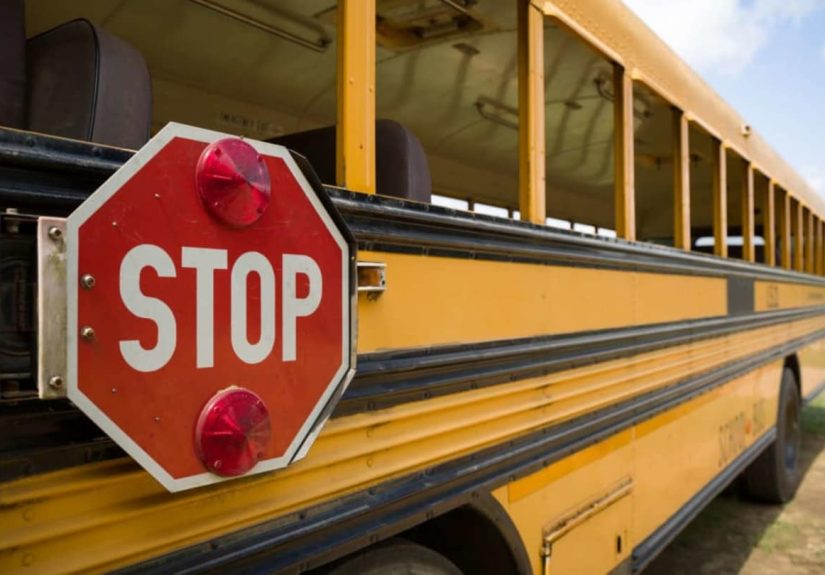
The black horizontal lines running along the sides of many school buses are called rub rails. They are raised strips, usually made from strong metal, attached to the outside body panels of the bus. Depending on the bus model and state specifications, you may see two, three, or even four long rails running from near the front of the bus toward the rear.
They are often painted black, which makes them stand out sharply against the familiar bright yellow body. That contrast is one reason people notice them, but the color is not the main story. The real purpose is structural. Rub rails help strengthen the thin outer sheet metal of the bus and provide an extra layer of protection where the body is most likely to meet bumps, scrapes, or impact forces.
Think of them like the reinforced edges on a suitcase. The suitcase can still hold clothes without them, but the reinforced parts help it survive airport baggage handling, which is basically professional wrestling with luggage. A school bus lives a tougher life than it gets credit for: narrow roads, busy loading zones, tight turns, road debris, parking lots, and thousands of daily stops. Rub rails help the body hold up better over time.
The Main Reason: Rub Rails Reinforce the Bus Body
The clever reason behind those black lines is that they add strength and protection to the bus exterior. A school bus body is not one solid block of metal. It is made from panels, posts, rails, bows, and other structural parts working together. The raised rub rails reinforce important zones along the side of the vehicle, especially where interior structures and exterior panels meet.
If another vehicle, a branch, a signpost, or a loading-zone obstacle brushes the side of the bus, the rub rail can take part of the contact before the flatter body panel does. This does not make the bus magically invincibleno stripe can turn a school bus into a superherobut it can help reduce damage and spread impact forces across a stronger section of the side wall.
The rails also help protect seams and panel areas from everyday wear. School buses are built for repetitive service, not occasional Sunday drives. They may run morning routes, afternoon routes, activity trips, and field trips in all kinds of weather. Over years of use, a small design detail that prevents dents, panel damage, or weakening can matter a lot.
Why Raised Lines Work Better Than Flat Paint
A painted stripe would be easy to apply, but paint alone offers no real protection. Rub rails are raised, physical parts. That height matters. When something lightly contacts the side of the bus, the raised rail is more likely to be the first surface touched. It acts like a protective rib along the body.
Many rub rails are ribbed or corrugated, which improves stiffness. The shape gives the rail more strength than a plain flat strip. In simple terms, bends and ridges make metal harder to flex. That is the same basic reason cardboard is stronger when it is corrugated and why many metal panels have stamped grooves. Shape can create strength without adding huge amounts of weight.
Why Are the Rub Rails Placed at Different Heights?
The placement of school bus rub rails is not random. They usually correspond to important areas of the bus body, such as the floor line, the seat level, the window line, or the lower skirt area. Requirements can vary by state and bus type, but the idea is consistent: place reinforcement where it can protect the structure and support the body most effectively.
A rail near the floor line helps reinforce the lower side of the passenger compartment. A rail around seat level can add strength near the area where rows of seats are anchored inside. A rail below the windows can help protect the upper body panels and stiffen the side structure. Some buses also have a lower skirt rail, which protects the lower body below the passenger floor.
This is why the lines seem to “map” the bus from the outside. They are not merely decorative borders. They often line up with zones that matter inside the vehicle. Once you notice that, the bus starts to look less like a big yellow rectangle and more like a carefully engineered safety box on wheels.
Do They Show First Responders Where to Cut?
You may have heard the claim that the black lines exist mainly to show firefighters where the floor, seats, and ceiling are during a rescue. That explanation is popular because it sounds dramatic and easy to remember. However, it is not the primary purpose of rub rails.
The safer way to explain it is this: rub rails may give a rough visual clue about certain structural zones, and emergency responders may recognize them as reinforced areas. But they should not be treated as universal rescue-cutting guides. Bus designs vary, state specifications vary, and emergency procedures rely on training, vehicle assessment, and the actual condition of the crash scenenot a viral fun fact.
So yes, the lines can reveal something about the bus’s structure. No, they are not secret “cut here” labels. School buses are not giant cereal boxes.
How Rub Rails Fit Into the Bigger School Bus Safety System
The black lines are only one part of a larger safety design. Modern school buses are among the most recognizable and heavily regulated vehicles on the road. Their safety does not depend on one feature. It comes from many layers working together: visibility, structure, seating design, mirrors, lights, stop arms, emergency exits, and driver training.
One major safety concept used in large school buses is compartmentalization. This means students are protected by closely spaced, high-backed seats with energy-absorbing backs. The idea is to create protective seating compartments inside the bus. Rub rails are different from compartmentalization, but they belong to the same overall philosophy: build the bus so it protects passengers through structure, spacing, visibility, and controlled design.
Rub rails help with the outside of the bus. High-backed seats help inside. Flashing lights and stop arms warn traffic. Mirrors help drivers see children around the bus. The bright yellow color grabs attention. Put together, these details form a rolling safety system that has been refined for decades.
Why Black Lines Stand Out Against Yellow
School buses are famous for their yellow color because visibility is central to their design. The black trim, lettering, bumpers, and rub rails create contrast against the yellow body. That contrast helps the bus look instantly recognizable from a distance. Drivers may not consciously think, “Ah yes, rub rails,” but the familiar yellow-and-black pattern tells them: slow down, pay attention, children may be nearby.
The black lines also break up the side profile of the bus visually. This can make the long body easier to read at a glance, especially in traffic, school zones, and curbside loading areas. Again, the main job of rub rails is reinforcement, but the contrast is a useful bonus.
Why School Buses Need This Kind of Reinforcement
School buses may look simple, but their job is demanding. They carry children, operate on fixed routes, stop frequently, and often drive in residential areas where space is limited. A bus may squeeze past parked cars, turn near curbs, pull alongside sidewalks, and enter school parking lots packed with parents, pedestrians, signs, cones, and the occasional backpack lying in the road like it gave up on education.
Because the side of a bus is long and broad, it needs reinforcement. Large flat panels can flex, dent, or weaken more easily than reinforced sections. Rub rails help add stiffness and protection without redesigning the entire body into something heavy and inefficient.
Weight matters in vehicle design. A bus must be strong, but it also needs to operate efficiently, meet safety standards, carry passengers, and remain practical for school districts. Rub rails are a smart solution because they add strength where it is useful without turning the bus into a tank.
Everyday Damage Protection
Not every safety feature is about dramatic crashes. Some are about preventing slow, ordinary damage. A school bus may experience years of minor contact: a branch scraping the side, a careless bump in a maintenance yard, a tight turn near a post, or small road debris kicked up along the route. Rub rails help protect the side panels from those everyday hazards.
That matters because body damage can lead to maintenance issues. Dents, open seams, rust-prone spots, and weakened panels can become expensive problems. By protecting vulnerable areas, rub rails help extend the useful life of the vehicle and keep it in better condition for students.
Are Rub Rails Required on Every School Bus?
There is no single simple answer that applies to every bus in every place. School bus design is shaped by federal safety standards, state specifications, industry recommendations, and manufacturer practices. Rub rail requirements are commonly handled through state specifications, and those requirements can differ.
Many states specify where rub rails should be placed, how wide they should be, how strong the material should be, and how far along the bus body they should extend. Some states describe rails at the window line, seat line, floor line, or skirt line. Others may use slightly different language or require a different number of rails.
In practice, rub rails are extremely common on school buses because they are useful, familiar, and widely expected in pupil transportation design. Even when the exact rule changes from one state to another, the basic purpose remains the same: strengthen the bus body and protect important exterior areas.
Why Some Buses May Look Slightly Different
If you compare buses from different states, manufacturers, or years, you may notice small differences. Some have three obvious black lines. Others may have additional lower rails or rails painted yellow instead of black. Some newer buses include alternative color markings for fuel type or electric models, depending on local standards.
That does not mean one bus is “missing” its safety features. It usually means the bus follows a particular specification, model design, or district requirement. School bus design is standardized in many ways, but it is not identical everywhere.
Common Myths About the Black Lines on School Buses
Because school buses are everywhere, people love creating little explanations for their features. Some are true. Some are half true. Some sound like they were invented during a long field trip with no snacks left.
Myth 1: The Lines Are Just Decorative
This is the easiest myth to bust. The lines may look neat, but they are not merely painted style stripes. They are raised structural pieces called rub rails, and they help protect and reinforce the bus body.
Myth 2: The Lines Are Only for Firefighters
The rails may help someone visually understand certain parts of the bus body, but their main purpose is not to serve as an emergency rescue diagram. Their main job is structural reinforcement and body protection.
Myth 3: Every Bus Has the Exact Same Rail Layout
Not quite. Many school buses share a similar look, but requirements vary by state and model. The number, placement, width, color, and length of rub rails can differ.
Myth 4: The Black Color Is the Safety Feature
The black color improves contrast, but the physical rail is the important part. A painted black stripe alone would not provide the same protection. The raised metal rail is what does the work.
Specific Example: What the Lines Usually Mark
On many school buses, the upper black line sits below the windows. This rail reinforces the upper side area and helps protect the panels near the window line. A middle rail often sits near the seat level, adding support around the zone where passengers sit. A lower rail may be placed near the floor line, strengthening the base of the passenger compartment. Some buses also include a skirt rail lower down, protecting the lower body panel.
That arrangement is why the rails can seem like an exterior outline of the passenger area. They are not random stripes. They are positioned where reinforcement makes sense. If you imagine the bus body as a long box, rub rails are like horizontal ribs that help the box resist damage and flexing.
This is also why the rails usually run nearly the full length of the bus body. A short decorative stripe would not do much. A long rail spreads protection across the side, especially in areas most exposed to contact.
Experiences and Real-Life Observations: What Those Lines Teach Us
Once you learn what school bus rub rails are, you start noticing them everywhere. Waiting at a traffic light, walking past a school parking lot, or sitting behind a bus during the morning rush suddenly becomes a tiny engineering lesson. The bus you used to see as “the yellow thing making eight stops on one street” becomes a vehicle full of smart design decisions.
One everyday experience that shows the value of rub rails is the school pickup zone. Anyone who has watched afternoon dismissal knows it is organized chaos with backpacks. Cars creep forward, buses line up, staff wave students across sidewalks, and everyone is trying to move safely without turning the parking lot into a puzzle game. In that environment, buses must maneuver close to curbs, signs, cones, and other vehicles. The side body is exposed to minor scrapes and bumps. Rub rails help protect the bus from the small contacts that can happen in tight spaces.
Another real-world example is rural transportation. Many school buses travel narrow roads with tree branches, gravel shoulders, uneven pavement, and limited turnaround space. A branch brushing against a bus side may not sound serious, but repeated contact can mark paint, dent panels, or expose areas to moisture over time. A raised rail gives the bus a tougher exterior contact point. It is a practical feature for a vehicle that has to perform in the real world, not just look nice in a brochure.
Rub rails also reveal something important about safety design: good safety features are often boring. They do not beep, flash, talk, or appear in dramatic commercials. They simply sit there and do their job every day. A rub rail will never get applause from students climbing aboard with half-zipped jackets and cereal-bar crumbs. But it helps keep the bus body stronger, protects panels, and supports long-term durability.
For parents, the lines can be a reminder that school buses are not just big vans painted yellow. They are purpose-built vehicles. Their shapes, colors, lights, mirrors, seats, and rails all serve a function. For students, it is a fun detail to notice: the bus has “armor stripes,” even if that is not the official engineering term. For drivers, the familiar black-and-yellow pattern is one more visual cue that children may be nearby and extra caution is required.
There is also a useful lesson for anyone who likes design. The best designs often hide in plain sight. A feature does not need to be flashy to be clever. The black lines on school buses are a perfect example: simple, visible, durable, and functional. They improve the vehicle without asking anyone to think about them. That is good design doing what good design does bestquietly making everyday life safer and more reliable.
After you know the purpose of rub rails, the next time a school bus rolls by, you may see it differently. Those black lines are not random. They are a small but meaningful part of a larger safety system, a reminder that even the most familiar objects around us can have hidden intelligence built into them. Sometimes the cleverest details are the ones we passed every morning for years without noticing.
Conclusion: A Small Detail With a Big Safety Purpose
The black lines on the sides of school buses are not fashion stripes, mystery markings, or secret rescue codes. They are rub rails, and their purpose is practical: reinforce the bus body, protect exterior panels, help distribute minor impact forces, and support the long-term durability of a vehicle designed to carry children safely every school day.
Their placement often lines up with important structural zones such as the floor, seat, and window areas, which is why they appear so intentionally arranged. Their black color adds contrast against the yellow body, but the real value comes from the raised metal construction. Like many school bus safety features, rub rails are easy to miss until someone points them out. Then they become impossible to ignore.
So the next time you see a school bus rumbling down the road, take a second look at those black lines. They are doing more than decorating the side of the bus. They are part of a thoughtful design system built around strength, visibility, and student safety. Not bad for a few stripes that most people never think about.
Note: Rub rail specifications can vary by state, school bus model, and manufacturer. This article explains the common purpose and design logic behind the black lines seen on many American school buses.