Table of Contents >> Show >> Hide
- What Does Tumble Dry Mean?
- How to Read the Tumble Dry Symbol on Clothing Tags
- Tumble Dry Low vs. Medium vs. High: What Is the Difference?
- What Does “No Heat” or “Air Fluff” Mean?
- When Should You Use Tumble Dry?
- When Should You Avoid Tumble Drying?
- Does Tumble Dry Shrink Clothes?
- How to Tumble Dry Clothes for Best Results
- Common Tumble Dry Mistakes
- Quick Guide: Which Tumble Dry Setting Should You Use?
- Real-World Laundry Experience: What Actually Works
- Conclusion
- SEO Tags
You pull a shirt from the washer, check the tiny tag, and there it is: “Tumble dry low.” Helpful? Sort of. Clear? Not exactly. It sounds like something your laundry does after one too many spins on the dance floor. But in clothing-care language, tumble dry has a very specific meaning: your garment can go in a machine dryer, where warm or cool air circulates while the drum turns.
That simple instruction can make the difference between a soft, fresh hoodie and a sweater that suddenly fits the family dog. Understanding what tumble dry means, which dryer setting to choose, and when to avoid the dryer entirely can help your clothes last longer, dry better, wrinkle less, and shrink less. In other words, your laundry tag is not trying to be mysterious. It is trying to save your wardrobe.
What Does Tumble Dry Mean?
Tumble dry means drying clothing or household textiles in a dryer drum that rotates, or “tumbles,” the items while air moves through them. The air may be hot, warm, low heat, or no heat, depending on the setting you choose and the instructions on the care label.
So, does tumble dry mean air dry? No. Air drying usually means hanging clothes on a line, placing them on a drying rack, or laying them flat. Tumble drying means using a machine dryer. The “tumble” part refers to the turning motion inside the dryer, not to the heat level.
That is why you may see different versions of the phrase, such as:
- Tumble dry machine drying is allowed.
- Tumble dry low use a low-heat setting.
- Tumble dry medium use medium heat.
- Tumble dry high high heat is acceptable for sturdy fabrics.
- Tumble dry no heat use air-only or air-fluff mode.
- Do not tumble dry keep the item out of the dryer.
How to Read the Tumble Dry Symbol on Clothing Tags
Care labels often use symbols instead of full sentences. The tumble dry symbol is usually a square with a circle inside it. Think of the square as the dryer and the circle as the drum. Once you know that, laundry labels become a little less like hieroglyphics and a little more like helpful traffic signs.
Common Tumble Dry Symbols
- Square with circle: Tumble dry is allowed.
- Square with circle and one dot: Tumble dry low.
- Square with circle and two dots: Tumble dry medium.
- Square with circle and three dots: Tumble dry high.
- Square with solid or filled circle: Tumble dry with no heat or air only.
- Square with circle and an X: Do not tumble dry.
- One line under the symbol: Use permanent press or a gentler anti-wrinkle cycle.
- Two lines under the symbol: Use delicate or gentle cycle.
When the care label gives a heat level, follow it. When it simply says “tumble dry,” the item is generally considered safe for machine drying, but that does not mean high heat is always the smartest choice. Many modern fabrics look better and last longer when dried on low or medium heat.
Tumble Dry Low vs. Medium vs. High: What Is the Difference?
The biggest decision is not whether to tumble dry. It is how hot to tumble dry. Heat dries clothes faster, but it can also fade colors, set wrinkles, weaken elastic, and shrink natural fibers. Choosing the right setting is like choosing the right cooking temperature: high heat can be useful, but you probably do not want to broil everything you own.
Tumble Dry Low
Tumble dry low uses less heat and is best for items that need a gentler touch. It is often the safest everyday choice for clothing you care about, especially if you are not sure what setting to use.
Use tumble dry low for:
- Delicate cotton shirts
- Synthetic fabrics
- Activewear, when the tag allows machine drying
- Rayon or modal blends
- Lightweight knits
- Items with elastic waistbands
- Clothes labeled “tumble dry low”
The downside? Low heat takes longer. The upside? Your clothes are less likely to come out looking like they were borrowed from a toddler.
Tumble Dry Medium
Tumble dry medium is the middle ground. It works well for many everyday garments, especially blends, casual pants, work shirts, pajamas, and permanent-press fabrics. Medium heat dries faster than low heat but is usually less aggressive than high heat.
Use medium heat when the label allows it and the fabric is not especially delicate. It is a good setting for mixed loads, but only when the fabrics are similar in weight. A load with jeans, thin T-shirts, towels, and athletic leggings is not a “mixed load.” It is a laundry traffic jam.
Tumble Dry High
Tumble dry high uses the most heat and is best reserved for durable fabrics that can handle it. High heat can be helpful for thick cotton towels, sturdy sheets, heavy cotton basics, and durable work clothes.
Use tumble dry high for:
- Bath towels
- Some cotton sheets
- Durable cotton underwear
- Heavy cotton workwear
- Items specifically labeled safe for high heat
Be careful with high heat. It can shrink cotton, damage elastic, fade dark colors, and make fabrics feel rough over time. When in doubt, choose medium or low. Your clothes may take longer to dry, but they will likely repay you by continuing to fit.
What Does “No Heat” or “Air Fluff” Mean?
No heat, sometimes called air fluff, tumbles items without heated air. This setting is useful for freshening dry items, fluffing pillows, loosening lint, or helping remove dust from certain machine-safe textiles.
However, no heat is not magic. It will not dry a soaked load quickly. It is better for lightly damp items, already dry items, or fabrics that should not be exposed to heat but can safely handle tumbling. Always check the care tag first.
When Should You Use Tumble Dry?
You should use tumble dry when the care label allows it, when speed matters, and when the fabric can handle the movement and heat. It is especially useful for durable household items and everyday basics.
Use Tumble Dry for Towels and Bedding
Towels, washcloths, cotton sheets, and many duvet covers are usually good candidates for tumble drying. The dryer helps restore fluffiness and removes moisture quickly. For towels, avoid overloading the drum. Towels need room to move, or they may come out damp in the middle and crunchy on the edges. Nobody wants a towel with the texture of a forgotten cracker.
Use Tumble Dry for Everyday Cotton Clothes
Many cotton T-shirts, socks, underwear, and casual clothes can be tumble dried, especially on low or medium heat. If you are worried about shrinking, remove items while slightly damp and let them finish drying on a hanger or rack.
Use Tumble Dry for Wrinkle Control
Permanent press or wrinkle-control dryer settings can help reduce creasing. These cycles typically use moderate heat and a cool-down period so wrinkles do not set as strongly. For best results, remove clothes promptly when the cycle ends. Letting shirts sit in a warm dryer for an hour is basically wrinkle marination.
Use Sensor Dry When Available
If your dryer has a moisture-sensing or automatic dry cycle, use it for most loads. Sensor cycles stop when the dryer detects that clothing is dry, which helps prevent overdrying. Timed dry can be useful for special cases, but it may keep heating clothes long after they are dry, wasting energy and increasing fabric wear.
When Should You Avoid Tumble Drying?
Do not tumble dry anything with a care label that says “do not tumble dry”. That instruction is not a dare. It usually means the fabric, structure, trim, or finish may be damaged by heat, movement, or both.
Items That Often Should Not Go in the Dryer
- Wool sweaters: They can shrink, felt, or lose shape.
- Silk garments: Heat and tumbling can weaken fibers and dull the finish.
- Lace and delicate lingerie: These can snag, stretch, or tear.
- Bras: Heat can damage elastic, cups, and underwires.
- Swimwear: Heat breaks down stretch fibers.
- Leather, suede, and faux leather: These can crack, warp, or stiffen.
- Sequined or embellished clothing: Decorations can melt, loosen, or fall off.
- Rubber-backed items: Heat may damage backing or adhesives.
- Foam items: Some foam materials are unsafe in dryers and may break down.
If a tag says dry flat, lay the item on a clean towel or mesh drying rack. This is common for sweaters and knits that stretch when wet. Hanging a wet sweater can turn it into a sweater-dress, which is only useful if that was the plan.
Does Tumble Dry Shrink Clothes?
Tumble drying can shrink clothes, especially when high heat meets natural fibers such as cotton, wool, linen, and some rayon blends. Shrinkage happens because heat, moisture, and movement can cause fibers to contract. The risk increases when clothes are overdried.
To reduce shrinkage:
- Read the care label before drying.
- Use low heat for clothing you want to protect.
- Remove garments while slightly damp.
- Air dry items that are prone to shrinking.
- Avoid high heat unless the fabric can handle it.
- Do not overload the dryer.
If you love a shirt, do not test its loyalty with high heat. Treat it gently, and it may stay in your closet longer than half the trends on social media.
How to Tumble Dry Clothes for Best Results
1. Sort by Fabric Weight
Dry lightweight shirts with lightweight shirts, towels with towels, and jeans with heavier items. Mixing heavy and light fabrics causes uneven drying. The thin items overdry while the thick items stay damp, which is annoying and inefficient.
2. Shake Items Before Loading
Give clothes a quick shake before placing them in the dryer. This separates twisted sleeves, reduces wrinkles, and helps air circulate. It takes five seconds and makes you look like someone who has their laundry life together.
3. Do Not Overload the Dryer
Clothes need space to tumble. If the drum is stuffed, hot air cannot move properly, drying takes longer, and wrinkles become more likely. A dryer load should be loose enough for items to fall and rotate freely.
4. Clean the Lint Filter Every Load
A clean lint filter improves airflow, helps clothes dry faster, and supports dryer safety. Make it a habit before or after every load. Also clean the dryer vent regularly, especially if loads are taking longer than usual to dry.
5. Remove Clothes Promptly
For fewer wrinkles, take clothes out as soon as they are dry. Fold, hang, or lay flat right away. If your dryer has an extended tumble or wrinkle-prevention feature, it can help keep clothes moving after the cycle ends, but it is not a substitute for actually rescuing them.
6. Use Dryer Balls Carefully
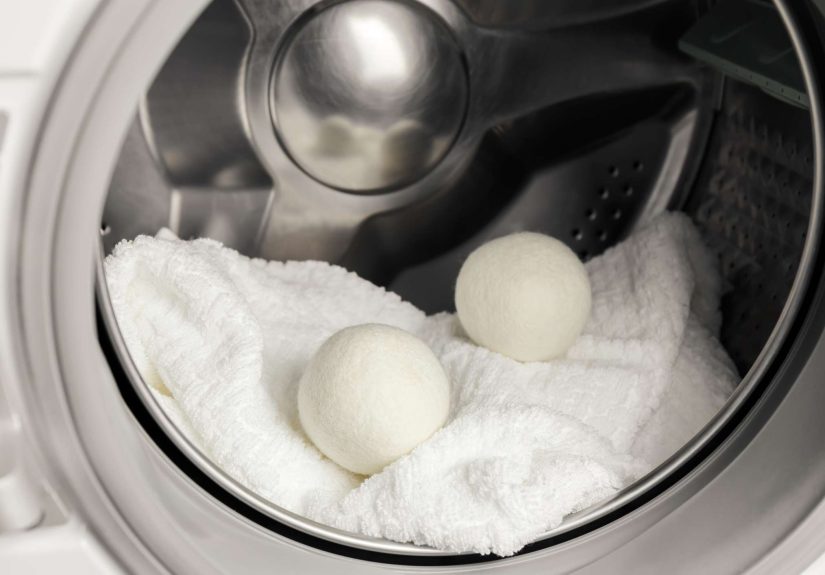
Wool dryer balls can help separate fabrics and may reduce drying time for some loads. They are especially helpful with towels and bedding. Avoid using too many in delicate loads, and skip anything that could snag fragile fabrics.
Common Tumble Dry Mistakes
Using High Heat for Everything
High heat is fast, but it is not friendly to every fabric. It can shrink cotton, weaken elastic, and damage performance materials. Low or medium heat is safer for most clothing.
Ignoring the Care Label
The care label is small because clothing manufacturers apparently enjoy making us squint, but it matters. If the label says tumble dry low, do not choose high heat and hope for the best.
Drying Stained Clothes
Heat can set stains, making them harder to remove. Before tumble drying, check that stains are gone. If a stain remains, treat and rewash the item before drying.
Leaving Clothes in the Dryer Too Long
Overdrying can make fabric feel stiff and increase wear. Use automatic cycles when possible and remove clothes once dry. More heat does not mean cleaner clothes; it just means warmer clothes with more regrets.
Quick Guide: Which Tumble Dry Setting Should You Use?
| Item | Best Dryer Setting | Helpful Tip |
|---|---|---|
| Towels | Medium or high, if label allows | Do not overload; dry similar weights together. |
| Cotton T-shirts | Low or medium | Use low heat to reduce shrinkage risk. |
| Jeans | Medium | Turn inside out to reduce fading. |
| Sheets | Medium or high, if label allows | Untangle before drying to avoid damp corners. |
| Activewear | Low or air dry | High heat can damage stretch fibers. |
| Sweaters | Usually air dry or dry flat | Check label; many knits should not tumble dry. |
| Delicates | Low, gentle, or air dry | Use a mesh bag if machine drying is allowed. |
Real-World Laundry Experience: What Actually Works
After enough laundry days, you learn that the dryer is not the villain. The real villain is guessing. Most dryer disasters begin with one of three thoughts: “It’ll probably be fine,” “I don’t have time to read the tag,” or “High heat will just make it faster.” That last one is especially dangerous. Yes, high heat is faster. So is driving over a speed bump at 45 miles per hour. Speed and wisdom are not always roommates.
One of the best habits is creating a simple “dryer-safe” routine. Before washing, separate anything suspicious: sweaters, athletic leggings, bras, silky tops, embellished shirts, and anything you would be genuinely sad to lose. Put those items in a separate pile or mesh bag so they never accidentally join the towel load. This one habit prevents most shrinkage, stretching, and mystery damage.
Another experience-based rule: dry by weight, not just color. Many people sort laundry into lights and darks, then toss everything into the dryer together. But a thin black T-shirt and a heavy black hoodie do not dry at the same speed. The T-shirt may be cooked by the time the hoodie is dry. When possible, dry heavy cotton items together, lightweight clothes together, and delicates separately. Your dryer will work better, and your clothes will come out more evenly dry.
For everyday clothing, low heat is often the quiet hero. It may take a little longer, but it is gentler on fibers, elastic, prints, and dark colors. If you are drying office shirts, casual dresses, soft tees, or anything with stretch, low heat or permanent press is usually a safer bet than blasting the load on high. You can also remove clothes while slightly damp and hang them for the last few minutes of drying. This trick helps reduce shrinkage and wrinkles at the same time.
Towels and bedding are different. They usually need more airflow, more time, and enough space to tumble. If sheets twist into a giant fabric burrito, pause the dryer, shake them loose, and restart. Otherwise, the outside dries while the inside stays damp. For towels, avoid fabric softener buildup, keep loads medium-sized, and clean the lint filter every time. A towel load with poor airflow can take forever and still feel oddly humid, which is not the spa experience anyone ordered.
The final practical lesson is to stop the cycle before the clothes are bone-dry and forgotten. Overdrying makes fabrics rougher, encourages static, and can set wrinkles. If your dryer has sensor dry, use it. If not, check the load a little earlier than you think you need to. Laundry is easier when you treat the dryer like a tool instead of a mystery box. Read the tag, choose the gentlest setting that gets the job done, and give your clothes room to tumble. That is the real secret to better drying results.
Conclusion
Tumble dry simply means an item can be dried in a machine dryer, but the best results depend on choosing the right heat level and cycle. Use low heat for delicate or shrink-prone clothing, medium heat for everyday blends and permanent-press items, and high heat only for sturdy fabrics that can handle it. When the label says “do not tumble dry,” believe it. Air drying, drying flat, or using no heat can protect special fabrics from damage.
The smartest laundry strategy is simple: read the tag, sort by fabric weight, avoid overloading, clean the lint filter, and remove clothes promptly. Do that, and tumble drying becomes less of a gamble and more of a wardrobe-preserving superpower.