Table of Contents >> Show >> Hide
- Why diet matters (and why your kidneys are not being dramatic)
- The Big 5 rules of a kidney stone–friendly diet
- Foods to include (your “yes” list)
- Foods to avoid or limit (your “not daily” list)
- Type-by-type cheat sheet (because not all stones are created equally)
- A sample one-day “kidney stone diet” menu (flexible and realistic)
- Common myths that deserve to be gently escorted out
- How to make this diet actually stick (without feeling punished)
- Real-Life Experiences: What Sticking to a Kidney Stone Diet Feels Like (and how people get through it)
- Conclusion
Quick note before we raid the pantry: Kidney stone nutrition is not one-size-fits-all. The “best” diet depends on the type of stone (calcium oxalate, uric acid, calcium phosphate, cystine, etc.) and what your urine chemistry looks like. Still, there are some rock-solid (sorry) rules that help most stone-formersespecially people who make calcium-based stones, the most common kind. Guidance below is educational, not a substitute for your clinician or a registered dietitian.
Why diet matters (and why your kidneys are not being dramatic)
Kidney stones form when your urine gets too concentrated and certain minerals crystallize. Think of it like making candy: the less water in the pot, the easier it is for sugar to turn into crystals. In your body, the “ingredients” can include calcium, oxalate, uric acid, phosphate, and cystine. The kidney stone diet isn’t about eating “perfectly.” It’s about making your urine less crystal-friendly by adjusting fluids, sodium, calcium intake, protein choices, and a few specific high-risk foods.
The Big 5 rules of a kidney stone–friendly diet
1) Hydration is the headline act
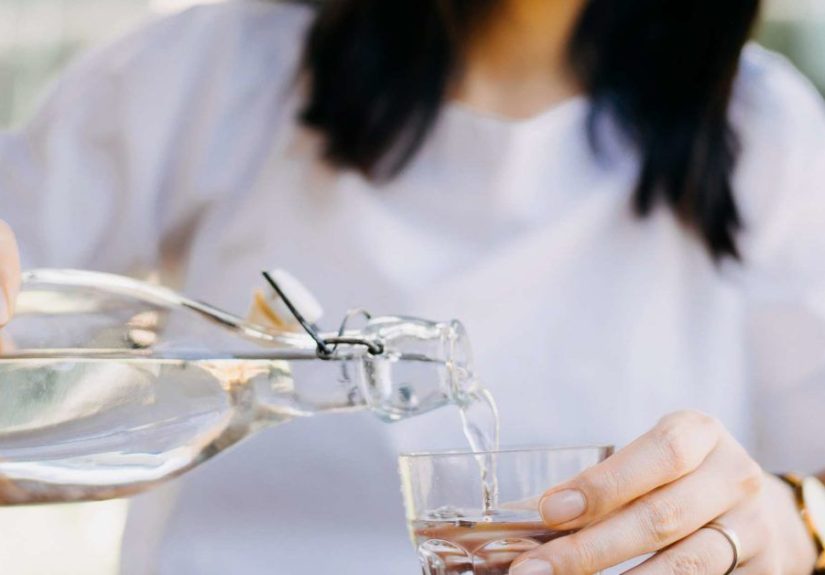
If you only do one thing, make it this: drink enough fluids to keep your urine pale yellow most of the day. Many prevention plans target producing about 2 to 2.5 liters of urine daily, which often means drinking roughly 2.5 to 3 liters of fluids (more if you sweat a lot, live in heat, or exercise). Water is the MVP, but citrus beverages without a lot of added sugar can help too.
2) Don’t “go low-calcium” unless your clinician tells you to
It sounds backwards, but adequate dietary calcium can help prevent calcium oxalate stones. Calcium in food binds oxalate in your gut so less oxalate reaches your kidneys. Most adults are advised to aim around 1,000–1,200 mg/day from food (often about 2–3 servings of calcium-rich foods), typically with meals.
3) Sodium is sneakyand it pushes calcium into urine
High sodium intake encourages your kidneys to spill more calcium into urine, raising stone risk. A common target is ≤2,300 mg sodium/day, and some stone-prone people are advised to go lower (your clinician may mention ~1,500 mg/day depending on history and labs). Translation: the “stone diet” is often a low-sodium diet in a trench coat.
4) Moderate animal protein (especially if you form uric acid stones)
Large amounts of animal protein can increase stone risk by boosting acid load and changing urine chemistry (including raising calcium excretion and lowering citrate). You don’t necessarily have to go vegetarian, but consider smaller portions and more plant-forward meals. If you make uric acid stones, protein choices matter even moreespecially high-purine foods.
5) Be strategic about oxalates (don’t ban vegetables out of fear)
Oxalate lives in plenty of healthy foods. The goal isn’t to fear salad; it’s to be smart if you’re prone to calcium oxalate stones or have high urine oxalate. Often the best move is to pair moderate oxalate foods with calcium-rich foods at the same meal (think: spinach salad with a sprinkle of cheese, or beans with yogurt-based sauce). Restricting oxalate aggressively without guidance can backfire by cutting fiber and nutrients.
Foods to include (your “yes” list)
Hydration helpers
- Water (still or sparkling): make it your default beverage.
- Citrus (lemon, lime, oranges, grapefruit): citrate can inhibit stone formation. Use real citrus juice in water or choose low-sugar citrus drinks.
- Water-rich produce: cucumber, watermelon, tomatoeshelpful for fluid intake and often contain citrate-friendly compounds.
Calcium-rich foods (with meals)
- Milk (dairy or lactose-free), yogurt, kefir, and some cheeses in reasonable portions.
- Calcium-fortified options (check labels): some plant milks, tofu set with calcium, fortified cereals.
Pro tip: If you eat a higher-oxalate food, add a calcium source in the same meal. It’s less “diet hack” and more “basic chemistry with snacks.”
Fruits and vegetables (most of them, most days)
- Low-to-moderate oxalate veggies: cauliflower, cabbage, mushrooms, peas, cucumbers, zucchini (varies by source and preparation).
- Fruits high in citrate/potassium: oranges, melons, bananas (helpful for overall urinary balance).
- Fiber-forward picks: berries, apples, carrotsgreat for general metabolic health, which matters because obesity and insulin resistance are linked to stone risk.
Plant-forward proteins (kidney-friendly variety)
- Beans and lentils (portion-aware): generally helpful as replacements for large meat portions, though some individuals with uric acid concerns may need personalized guidance.
- Nuts and seeds in moderation: great nutrition, but some are higher in oxalate (almonds, for example). Rotate types and watch portions if you’re oxalate-sensitive.
- Eggs and fish in moderate portions can fit, depending on stone type (purines matter for uric acid stones).
“Stone inhibitors” worth knowing
- Citrate sources: citrus fruits/juices can raise urinary citrate (a natural inhibitor of calcium stone formation).
- Magnesium-containing foods: leafy greens, legumes, whole grainscan be supportive in some dietary patterns (talk to your clinician if considering supplements).
Foods to avoid or limit (your “not daily” list)
High-sodium foods (the usual suspects)
- Fast food, deli meats, bacon/sausage, packaged ramen, frozen dinners
- Salty snacks (chips, pretzels), heavily salted nuts
- Pickles, soy sauce, many bottled sauces and seasoning blends
Label clue: If “sodium” looks like a phone number (four digits per serving), your kidneys will not be impressed.
High-oxalate foods (especially if you form calcium oxalate stones)
Some commonly cited high-oxalate foods include:
- Spinach, rhubarb, beets
- Nuts (especially almonds in many lists), chocolate/cocoa
- Some legumes and grains (varies), bran, and certain potatoes/preparations
- Tea (depending on type and intake volume)
Reality check: You don’t always need to avoid these forever. Many clinicians recommend limiting only after confirming stone type and urine oxalate, and using “pair-with-calcium” strategies.
Added sugar and sugary drinks
Diets high in added sugarsespecially sugar-sweetened beveragesare associated with higher stone risk. Keep soda, sweet tea, energy drinks, and sugary coffee drinks as occasional treats, not hydration staples.
High-dose vitamin C supplements
Large vitamin C doses can increase urinary oxalate in some people. Food sources of vitamin C are typically fine, but mega-dosing supplements (for example, >1,000 mg/day) is something to discuss with your clinician if you’re stone-prone.
Purine-heavy foods (key for uric acid stones)
If you form uric acid stones (or have gout/high uric acid), you may be told to limit high-purine foods such as:
- Organ meats (liver), certain fish (anchovies, sardines), and some gravies/consommés
- Alcoholespecially beercan raise uric acid and worsen dehydration risk
Type-by-type cheat sheet (because not all stones are created equally)
Calcium oxalate stones (most common)
- Include: adequate dietary calcium with meals, fruits/vegetables, citrate sources, lots of fluids.
- Limit: sodium, excessive animal protein, and very high-oxalate foods (especially without calcium pairing).
Calcium phosphate stones
- Focus on: lowering sodium and moderating animal protein; follow clinician guidance about urine pH and specific triggers.
- Don’t: drop dietary calcium too low without medical direction.
Uric acid stones
- Include: plenty of fluids; more fruits/vegetables (often helps make urine less acidic); citrus may help via citrate.
- Limit: high-purine animal foods and alcohol; keep added sugars in check.
Cystine stones (rare, genetic)
- Biggest lever: very high fluid intake (often above typical targets) and lower sodium, guided by a specialist.
- Diet role: supportive, but medical therapy is commondon’t DIY this one.
A sample one-day “kidney stone diet” menu (flexible and realistic)
Breakfast
- Greek yogurt + berries + a drizzle of honey (optional) + oatmeal
- Water with lemon (light on sweetener)
Lunch
- Turkey or tofu wrap with lettuce, cucumber, bell peppers, and a yogurt-based sauce
- Fruit on the side
- Water (or sparkling water with citrus)
Snack
- Cheese stick or fortified plant yogurt
- Apple or melon
Dinner
- Salmon (moderate portion) or lentil bowl (if uric acid stones, ask for individualized guidance)
- Roasted cauliflower + sautéed zucchini
- Brown rice or quinoa (portion as needed)
- Water, and if desired: diluted citrus drink without lots of added sugar
Common myths that deserve to be gently escorted out
Myth: “All calcium causes calcium stones.”
Dietary calcium often helps prevent calcium oxalate stones by binding oxalate in the gut. The issue is more about urine chemistry, high sodium intake, dehydration, and individual risk factorsnot simply eating yogurt.
Myth: “If a food is healthy, it can’t be a stone trigger.”
Some very healthy foods are high in oxalate. That doesn’t make them “bad.” It means you may need portion control, calcium pairing, and personalization.
Myth: “Lemon water fixes everything.”
Citrus can help, but it’s not a magical force field. If lemon water is followed by a salty fast-food combo and not enough total fluids, your kidneys will still file a complaint.
How to make this diet actually stick (without feeling punished)
- Build a hydration routine: a bottle you like, reminders, and “water rules” (e.g., a glass before each meal).
- Go low-sodium by default: cook more at home, use herbs/citrus, choose “no-salt-added” when possible.
- Pair calcium strategically: include a calcium source with meals, especially when eating moderate-oxalate foods.
- Upgrade snacks: fruit + yogurt beats chips + soda if stones are your enemy arc.
- Ask for a 24-hour urine test: it’s the quickest path to a diet that’s tailored, not guessy.
Real-Life Experiences: What Sticking to a Kidney Stone Diet Feels Like (and how people get through it)
When people start a kidney stone diet, the first surprise is usually this: it’s less about “forbidden foods” and more about a few consistent habits. Many describe the early phase as a hydration boot camp. You’ll hear things like, “I didn’t realize how little I drank until I had to measure it,” or “My water bottle became my emotional support accessory.” The trick that often helps is turning hydration into a routine rather than a willpower contestkeeping water within arm’s reach, drinking a glass when you wake up, and pairing sips with daily cues (every meeting, every bathroom break, every episode of whatever you’re binge-watching).
The second common experience is sodium shock. People start reading labels and suddenly realize their “innocent” lunch is basically a salt-themed escape room. The most frequent wins come from switching just a handful of staples: choosing low-sodium broth, rinsing canned beans, using vinegar and citrus for flavor, and keeping salty sauces on the side. It’s also common to miss restaurant food at firstnot because it’s inherently evil, but because restaurants are generous with salt. Many stone-prone eaters learn to scan menus for grilled items, request sauces separately, and balance a saltier meal by being extra-hydrated that day (and keeping the rest of the day lower-sodium).
For calcium oxalate stone-formers, the emotional roller coaster often involves oxalates. People hear “spinach” and assume all greens are banned forever, which is both depressing and unnecessary for many. A lot of folks do better when they switch from a “never again” mindset to a “how do I eat this smartly?” approach: smaller portions, not daily, and paired with calcium at the same meal. That mindset shiftstrategy over fearmakes the diet feel livable. You might still choose kale over spinach more often, but you don’t have to treat your salad like it’s contraband.
Another shared experience: the diet works best when it’s personalized. Many people only feel confident after getting their stone analyzed or doing a 24-hour urine collection. Before that, it can feel like you’re guessing your way through the grocery store. Afterward, you can focus on your specific triggersmaybe it’s low citrate, high sodium intake, low urine volume, or high oxalate. That clarity usually reduces stress and improves consistency.
Finally, people often report that the biggest benefit isn’t just fewer stonesit’s feeling better overall. A pattern that’s higher in fruits and vegetables, moderate in animal protein, lower in sodium, and supported by steady hydration tends to improve energy, digestion, and sometimes blood pressure. In other words, the kidney stone diet can feel less like a punishment and more like your body’s “maintenance plan.” And if you slip up? Most people succeed by returning to the Big 5 rules the next daynot by spiraling into “I ate chips once, so I guess I live in the stone zone now.”
Conclusion
The kidney stone diet is really a “make your urine less crystal-friendly” plan: drink more fluids, keep sodium low, get enough calcium from food, moderate animal protein, and handle oxalate foods strategically (especially with calcium pairing). If you know your stone type and have urine test results, you can dial in the details and stop playing dietary whack-a-mole. Your goal isn’t perfectionit’s prevention that fits real life.