Table of Contents >> Show >> Hide
- Why This Joke Works So Well
- Why It Is More Than a One-Liner
- The Genius of Tony Shalhoub’s Delivery
- How It Compares to Other Great Monk Jokes
- Why the Joke Still Feels Fresh
- The Joke’s Place in the Episode
- What the Joke Says About Monk as a Series
- A Viewer Experience: Why This Joke Stays With People
- Conclusion: The Funniest Monk Joke Is Also the Most Monk Joke
Some television jokes arrive wearing tap shoes. Others kick the door down, wave a tiny flag, and announce, “Laugh now, please.” Then there are the jokes from Monk, a show that could turn a hand wipe, a crooked picture frame, or an elevator button into comedy gold. Among all the memorable lines delivered by Adrian Monk, one joke stands out because it is strange, sad, perfectly timed, and so deeply Monk-ish that it almost needs its own evidence bag.
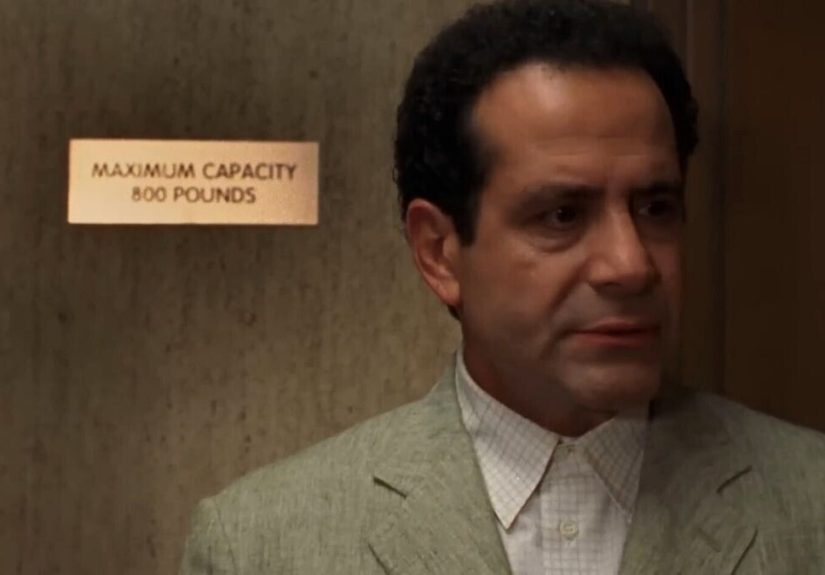
The line comes from Season 3, Episode 3, “Mr. Monk and the Blackout,” when Adrian Monk goes on a date with Michelle Rivas. Yes, a date. For Monk, that is already a plot twist large enough to require backup from Captain Stottlemeyer. During their awkward climb up many flights of stairsbecause Monk is afraid of elevatorshe attempts a compliment, notices that Michelle’s head is very round, and asks whether she was born by cesarean. When she says she does not know, Monk replies, “I was born naturally, but I was raised cesarean.”
That is the best joke in all of Monk. Not just because it is funny, although it absolutely is. It is the best because it captures the show’s entire comic engine in one line: Monk’s wounded childhood, his social clumsiness, his exacting mind, his emotional isolation, and his talent for saying the most medically inappropriate thing possible on a first date.
Why This Joke Works So Well
A great Monk joke is rarely just a joke. The series, which aired on USA Network from 2002 to 2009, built its comedy around a brilliant former San Francisco detective whose obsessive-compulsive disorder, grief, and many phobias made ordinary life feel like a crime scene. Adrian Monk, played by Tony Shalhoub, could solve murders no one else understood, but he could also be defeated by a speck of dust, a handshake, a glass of milk, or the reckless chaos of an unalphabetized bookshelf.
That tension made Monk more than a mystery show with jokes sprinkled on top. It was a comedy-drama where the humor came from character first. The joke about being “raised cesarean” is not random wordplay. It is a tiny psychological X-ray. Monk is trying to flirt, but his version of flirting has been run through a filing cabinet, a medical textbook, and possibly a childhood trauma seminar.
The Setup Is Already Funny
Before the punchline arrives, the situation is absurd in the most Monk-specific way possible. Michelle has planned dinner at a restaurant on a high floor. For a normal date, that means a nice view. For Monk, it means stairs. Lots and lots of stairs. The elevator, a common convenience for most people, becomes an emotional villain.
The physical setting matters because comedy often becomes sharper when characters are uncomfortable. Monk is tired, anxious, trying to behave normally, and trapped in a social situation where “normal” is the one language he never quite learned. Michelle is patient. Monk is sincere. The stairs become a slow-moving pressure cooker. By the time he tries to make conversation, the audience is ready for something beautifully awkward.
The Punchline Is Economical
“I was born naturally, but I was raised cesarean” is only nine words, but it somehow tells a whole biography. The phrase suggests that Monk’s childhood felt sterile, separated, controlled, and emotionally surgical. It also plays with the difference between biological birth and emotional upbringing. In Monk’s hands, even a birth method becomes a comment on personality formation.
The line is also funny because it sounds like something a person should not be able to say. You cannot technically be “raised cesarean.” That is not a parenting style, despite what some very intense family therapists might be willing to debate. But Monk makes the impossible phrase feel weirdly accurate. He does not mean it as a joke in the usual sense. He means it as a confession disguised as a fact.
Why It Is More Than a One-Liner
Many sitcoms depend on characters saying witty things they know are witty. Monk often does the opposite. Adrian Monk is funniest when he is not trying to be funny. He is trying to explain the universe as he sees it, and the universe, unfortunately for everyone around him, appears to be covered in germs and arranged incorrectly.
That is why this joke lands with unusual force. Monk is not standing on a stage, waiting for applause. He is on a date, trying to connect, and failing upward into brilliance. His comment is ridiculous, but it is not empty. It points directly to the loneliness at the center of the character. He is a man who wants closeness but often experiences closeness as danger, disorder, or loss.
It Reveals Monk’s Inner World
Adrian Monk’s backstory is full of emotional sharp edges. His wife Trudy’s murder shattered him and intensified his symptoms. His childhood, often described as emotionally difficult, helps explain why he is so controlled, so guarded, and so painfully literal. The cesarean joke compresses all of that into one strange sentence. It is funny because it is bizarre. It sticks because it feels emotionally true.
In other words, the joke is not simply, “Monk says an odd thing.” The deeper joke is, “Monk says an odd thing that accidentally explains Monk.” That is a much better kind of joke. It gives the audience a laugh and a character note at the same time. Comedy writers dream of that kind of efficiency. Most of us need three paragraphs and a snack break to explain ourselves. Monk does it in nine words.
It Makes Awkwardness Lovable
One of the great strengths of Monk is that it makes awkwardness feel human rather than cruel. The show certainly uses Monk’s anxieties for comedy, and not every moment has aged perfectly in the way television discusses mental health. Still, Tony Shalhoub’s performance gives Adrian a dignity that prevents the character from becoming a simple punchline.
When Monk says something socially disastrous, the audience is usually laughing with recognition, not just superiority. Who has not said the wrong thing at the wrong time? Who has not tried to sound charming and instead produced a sentence that should be sealed in a folder labeled “Never Again”? Monk’s version is more elaborate, of course. Most people do not accidentally invent an entire surgical philosophy of childhood during dinner conversation. But the emotional root is familiar.
The Genius of Tony Shalhoub’s Delivery
A line like this could collapse in the wrong hands. If delivered too knowingly, it becomes a sitcom zinger. If delivered too sadly, it becomes a therapy session with appetizers. Tony Shalhoub finds the exact middle. His Monk is precise, earnest, nervous, and completely unaware of how strange he sounds. That is why the joke blooms instead of thuds.
Shalhoub’s performance throughout Monk earned major industry recognition, including multiple Emmy wins, because he balanced comedy and pain with remarkable control. He did not play Monk as a collection of quirks. He played him as a brilliant man whose mind was both his greatest tool and his most relentless opponent. That balance is visible in the cesarean line. The delivery is dry, but the character behind it is anything but shallow.
The Pause Before the Laugh
Great jokes often depend on timing, and this one has a delicious little delay built into it. First, Monk asks the invasive question. The audience laughs or cringes. Then Michelle responds politely, because she is apparently made of patience and possibly marble. Then Monk answers with the punchline, and the viewer has to process the sentence for half a second.
That half-second is where the joke becomes unforgettable. The brain says, “Wait, that is not how that works,” followed immediately by, “Actually, for Monk, maybe it is.” The joke lands twice: first as absurdity, then as character truth.
How It Compares to Other Great Monk Jokes
Monk is full of excellent comic material. There is the recurring phrase “It’s a gift and a curse,” which works because it summarizes Monk’s detective genius and personal misery with bumper-sticker simplicity. There are Randy Disher’s wildly incorrect theories, which often feel like detective work performed by a golden retriever with a badge. There are Sharona’s blunt comebacks, Natalie’s exasperated patience, and Stottlemeyer’s slow transformation from frustrated boss to fiercely loyal friend.
There are also countless physical gags: Monk arranging objects, avoiding germs, reacting to disorder, or turning a simple errand into a military operation. These jokes build the show’s comic rhythm. But the “raised cesarean” line is different because it is both stand-alone funny and structurally perfect. You do not need to know eight seasons of mythology to laugh, but longtime viewers get an extra reward because the line fits Monk so completely.
Running Gags Build the World
The running gags in Monk are essential because they make Adrian’s world predictable in a funny way. Viewers know the wipe is coming after a handshake. They know Monk will notice the one thing everyone else missed. They know Randy will pitch a theory that deserves its own fantasy novel. Repetition becomes comfort, and comfort becomes comedy.
However, the best single jokes are the ones that surprise without betraying the character. The cesarean joke does exactly that. It sounds unexpected, but once Monk says it, it feels inevitable. Of course he would think in those terms. Of course his attempt at intimacy would become an anatomical riddle. Of course a romantic stair climb would turn into a diagnostic interview with emotional subtext.
Why the Joke Still Feels Fresh
Part of the reason this joke still works is that it is not built on a temporary pop-culture reference. It does not require knowledge of 2004 celebrity gossip, old technology, or a political scandal that now lives only in dusty late-night monologues. It is character comedy, and character comedy ages better than topical comedy because people remain gloriously strange in every decade.
The line also fits the modern rediscovery of Monk. With the series available on streaming platforms and the reunion film Mr. Monk’s Last Case: A Monk Movie bringing Adrian back into public conversation, new viewers are meeting the “defective detective” for the first time. Many are discovering that the show’s secret weapon was never just the mystery format. It was the emotional comedy of watching a deeply particular man try to survive an untidy world.
It Is Quotable Without Being Obvious
The best quotes are easy to repeat but hard to replace. “I was born naturally, but I was raised cesarean” is exactly that. It is short, odd, and instantly recognizable to fans. It also has the rare quality of sounding like a joke and a diagnosis at the same time.
Try replacing it with a more ordinary line, such as “My childhood was difficult.” Accurate? Maybe. Funny? Not unless the speaker is holding a pie chart. Monk’s actual line does what comedy does best: it avoids the plain door and climbs through the weird little window.
The Joke’s Place in the Episode
“Mr. Monk and the Blackout” is not only about dating awkwardness. The episode centers on a deadly power plant bombing and blackouts in San Francisco. Like many Monk episodes, it balances crime, tension, eccentricity, and emotional detours. The Michelle subplot gives the episode a softer comic contrast. Monk may be chasing a dangerous case, but the most dangerous thing in his evening is still a romantic dinner reservation on a high floor.
That combination is classic Monk. The show understands that detective stories are more entertaining when the hero’s personal obstacles are as memorable as the criminal plot. Sherlock Holmes has a pipe and violin. Adrian Monk has wipes, phobias, grief, and a terrifying ability to make small talk sound like a deposition.
Michelle Matters Because She Treats Monk Like a Person
Michelle’s role is important because she is not simply there to mock Monk. She is interested in him. She recognizes his brilliance. She is willing to climb the stairs with him. Her patience makes the joke funnier because Monk is not being attacked; he is being given a chance. The awkwardness comes from his own attempt to meet the moment.
That makes the scene surprisingly tender. It shows how difficult dating is for someone who is still grieving, deeply anxious, and unsure how to be vulnerable. The joke may be about being “raised cesarean,” but the scene is really about the difficulty of reentering life after loss. That is why Monk could be silly one minute and emotionally sharp the next.
What the Joke Says About Monk as a Series
Monk succeeded because it understood contradiction. Adrian is brilliant but helpless. He is fragile but brave. He annoys people but inspires devotion. He avoids life but keeps solving crimes that require him to step directly into it. The best jokes in the show live inside those contradictions.
The cesarean line is the perfect example. It is clinical and emotional, absurd and revealing, awkward and elegant. It makes Monk look strange, but it also makes him understandable. Viewers laugh, then realize the joke has quietly handed them a key to the character.
Comedy With a Bruised Heart
The show’s humor often comes from pain, but it rarely lets pain have the final word. Monk’s fears are real. His grief is real. His loneliness is real. But so is his intelligence, his persistence, and his strange little flashes of accidental poetry. “Raised cesarean” is one of those flashes. It is not polished poetry, exactly. It is more like poetry that washed its hands six times and asked whether the metaphor had been disinfected.
That is the charm of Monk. It never needed Adrian to become smooth. It needed him to keep trying. The joke works because he is trying, painfully and earnestly, to be a person in the world.
A Viewer Experience: Why This Joke Stays With People
For many viewers, discovering this joke feels like finding the exact moment when Monk explains itself without announcing that it is explaining itself. The scene starts as light comedy: Monk on a date, Monk avoiding an elevator, Monk trying to talk to a woman who is being far kinder than most people would be after the first two flights of stairs. Then the line appears, and suddenly the viewer is laughing at something that is also oddly melancholy.
That is a very specific viewing experience. You laugh first because the sentence is ridiculous. Then you think about it. Then you realize it is not just a throwaway line. It is the kind of joke that makes fans pause the episode, rewind, and say, “That is so Monk.” Not “that is so funny,” although it is. “That is so Monk.” The difference matters.
Watching Monk often feels like spending time with someone who makes life more difficult than it needs to be, but never out of malice. He is not chaotic because he wants attention. He is rigid because the world has hurt him, confused him, and kept refusing to line up properly. That makes the humor surprisingly comforting. Monk’s fears are exaggerated for television, but the feeling beneath them is recognizable. Everyone has some small internal rulebook. Everyone has a few invisible alarms. Monk simply has more alarms, and they are all set to maximum volume.
The best fan experience with this joke is sharing it with someone who has never seen the show. At first, it sounds like nonsense. Then you explain the context: widowed detective, obsessive order, fear of elevators, first date, stairs, nervous compliment. Suddenly the line transforms from oddball wordplay into a miniature character portrait. That is when people understand why Monk has lasted beyond its original run. The mysteries are satisfying, but the character is the hook.
The joke also works well on rewatch because it changes slightly depending on what the viewer brings to it. On a first viewing, it is a brilliantly awkward one-liner. On a later viewing, after knowing more about Monk’s childhood, Trudy’s death, and his long struggle to function, the line becomes softer and sadder. It is still funny, but it has a bruise under it. That layered feeling is one reason fans keep returning to the show. Monk can be cozy without being empty. It can be silly without being weightless.
In a television landscape filled with louder jokes and faster punchlines, this one remains memorable because it trusts the character. It does not chase the laugh with extra explanation. It lets Monk say the line, lets the audience absorb the weirdness, and moves on. That confidence is rare. The joke is small, but it carries the full fingerprint of the series. Like Adrian Monk himself, it is precise, peculiar, unforgettable, and somehow both hilarious and heartbreaking.
Conclusion: The Funniest Monk Joke Is Also the Most Monk Joke
The best joke in all of Monk is not the loudest gag, the most elaborate mystery twist, or the most repeated catchphrase. It is Adrian Monk saying, “I was born naturally, but I was raised cesarean.” The line is funny because it is absurd. It is brilliant because it is revealing. It is memorable because no other television detective could say it and make it feel like a confession, a punchline, and a tiny autobiography all at once.
That is the magic of Monk: the show turns discomfort into comedy without draining it of feeling. Monk’s awkwardness is not just a joke machine. It is part of his humanity. This one line proves why the series still matters to viewers who love mystery, character-driven comedy, and television heroes who do not fit neatly into the world but keep showing up anyway.
Note: This article is written as an original SEO-focused analysis and is based on real publicly available information about Monk, including official network materials, episode references, awards records, entertainment coverage, review databases, and fan discussion context. No source links are inserted per the publishing requirement.