Table of Contents >> Show >> Hide
- Introduction: Meningitis Prevention Does Not Have to Feel Like a Medical Textbook
- What Is Meningitis?
- Simple Way #1: Stay Up to Date on Vaccines
- Simple Way #2: Wash Your Hands Like You Mean It
- Simple Way #3: Do Not Share Items That Touch the Mouth
- Simple Way #4: Practice Respiratory Etiquette
- Simple Way #5: Take Extra Care in Crowded Living Spaces
- Simple Way #6: Know Who Has Higher Risk
- Simple Way #7: Recognize Symptoms Early
- How to Turn This Topic Into a Helpful Video
- Common Myths About Meningitis Prevention
- Experience-Based Reflections: What Prevention Looks Like in Real Life
- Conclusion: Small Habits, Serious Protection
Editor’s Note: This article is for educational purposes only. Meningitis can become serious quickly, so anyone with possible symptoms should seek medical care right away.
Introduction: Meningitis Prevention Does Not Have to Feel Like a Medical Textbook
Meningitis is one of those health topics that can make a room go quiet faster than someone saying, “We need to talk.” It sounds scary because, frankly, it can be. Meningitis is inflammation of the protective membranes around the brain and spinal cord, and it may be caused by viruses, bacteria, fungi, parasites, or noninfectious triggers. Some cases are mild and improve with supportive care, while others, especially bacterial meningitis, can move fast and require emergency treatment.
The good news is that many simple, everyday habits can help reduce the risk of infections that may lead to meningitis. Even better, these habits do not require a superhero cape, a medical degree, or a disinfectant spray holster. Prevention often comes down to vaccination, smart hygiene, avoiding risky sharing behaviors, recognizing symptoms early, and knowing when to call a healthcare professional.
This guide is written as a friendly companion to a “Video on Simple Ways to Prevent Meningitis.” Think of it as the full script, the behind-the-scenes director’s commentary, and the practical checklist all rolled into one. Whether you are a parent, student, caregiver, college roommate, teacher, coach, or simply someone who likes their nervous system drama-free, these meningitis prevention tips can help you make safer choices without turning your life into a bubble-wrapped science lab.
What Is Meningitis?
Meningitis happens when the meninges, the membranes surrounding the brain and spinal cord, become inflamed. The causes vary. Viral meningitis is more common and often less severe than bacterial meningitis. Bacterial meningitis is less common but more dangerous and can lead to serious complications if not treated quickly. Fungal meningitis is rare and usually affects people with weakened immune systems. There are also noninfectious forms linked to certain medications, cancers, or autoimmune conditions.
When people talk about “preventing meningitis,” they are usually talking about reducing exposure to germs that can cause it and staying protected against vaccine-preventable bacteria. Not every case can be prevented, but many risks can be lowered. That is the prevention sweet spot: not panic, not perfection, just smart habits repeated consistently.
Why Prevention Matters
Meningitis can sometimes begin with symptoms that look like a regular cold, flu, or “I stayed up too late watching videos” situation. Fever, headache, stiff neck, nausea, vomiting, confusion, and sensitivity to light are warning signs that deserve attention. Babies may show different signs, such as poor feeding, unusual sleepiness, irritability, or a bulging soft spot on the head.
The biggest prevention lesson is this: do not wait for symptoms to become dramatic. Meningitis is not a movie villain that politely announces its plan. If symptoms suggest meningitis, medical care should be urgent.
Simple Way #1: Stay Up to Date on Vaccines
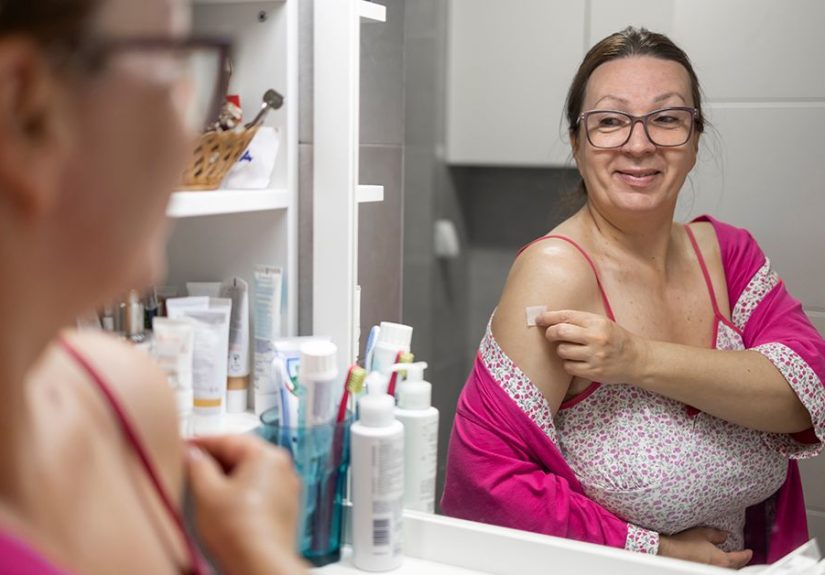
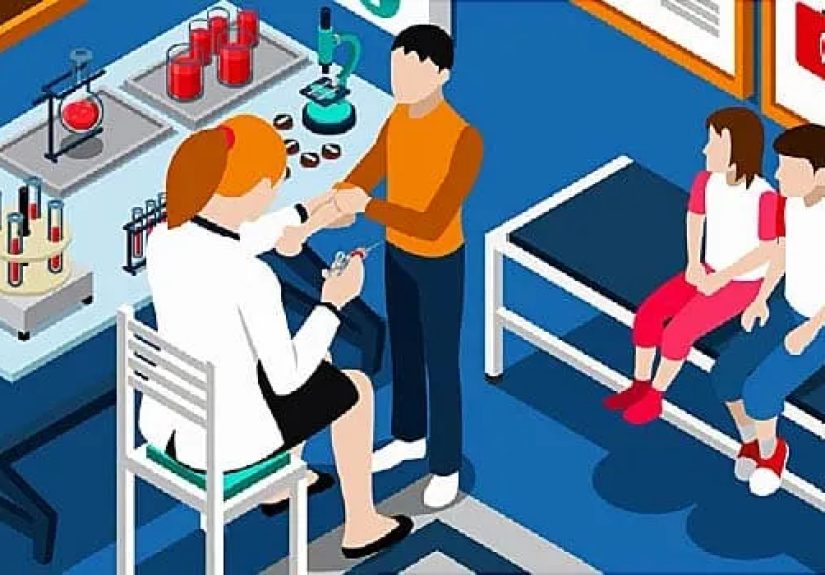
If meningitis prevention had a VIP section, vaccines would be wearing the wristband. Vaccination is one of the most effective ways to prevent several types of bacterial meningitis. Important vaccines include meningococcal vaccines, pneumococcal vaccines, and Haemophilus influenzae type b, better known as Hib vaccine.
Meningococcal Vaccines
Meningococcal disease is caused by Neisseria meningitidis. It can lead to meningitis or bloodstream infection, both of which can become serious quickly. In the United States, routine meningococcal vaccination is recommended for preteens and teens, with a MenACWY dose around ages 11 to 12 and a booster at age 16. Some teens and young adults may also receive MenB vaccine after talking with a healthcare provider, especially during the later teen years or before college living.
College dorms, military barracks, camps, and other close-living environments can increase risk because people are sharing air, space, late-night snacks, and occasionally questionable life decisions. Vaccination helps add a layer of protection before those environments turn into germ-sharing conventions.
Pneumococcal Vaccines
Pneumococcal bacteria can cause pneumonia, bloodstream infections, ear infections, sinus infections, and meningitis. Pneumococcal vaccination is recommended for young children, adults 50 and older, and people with certain medical conditions that raise their risk. For families, this means checking that children are following their routine immunization schedule and that older adults or high-risk relatives ask their healthcare provider about pneumococcal protection.
Hib Vaccine
Before Hib vaccine became routine, Hib disease was a major cause of bacterial meningitis in young children. Today, vaccination has made Hib meningitis much less common in the United States. Children younger than 5 need Hib vaccination on schedule, usually beginning in infancy. That schedule matters because babies and toddlers are still building immune defenses, and germs do not wait until kindergarten orientation to become inconvenient.
Practical Vaccine Checklist
Ask your healthcare provider or local pharmacy to review your vaccine record. Parents should check pediatric vaccine schedules. Teens heading to college should confirm meningococcal vaccination status before move-in day. Adults with chronic health conditions, weakened immune systems, missing or damaged spleens, cochlear implants, or certain medications should ask about extra protection. A five-minute vaccine conversation can prevent a lot of future worry.
Simple Way #2: Wash Your Hands Like You Mean It
Handwashing is not glamorous. Nobody has ever walked a red carpet because they used soap correctly. But it works. Many viruses and bacteria spread through respiratory droplets, saliva, stool, or contaminated surfaces. Clean hands reduce the chance of moving germs from doorknobs, phones, desks, gym equipment, or snack wrappers into your mouth, nose, or eyes.
Use soap and water, scrub for at least 20 seconds, and pay attention to the backs of your hands, between fingers, and under nails. If your handwashing technique looks like a three-second splash-and-dash, upgrade it. Sing a short song, count slowly, or imagine germs filing formal complaints.
When Handwashing Matters Most
Wash your hands before eating, after using the bathroom, after changing diapers, after blowing your nose, after coughing or sneezing, after touching shared surfaces, and after caring for someone who is sick. Hand sanitizer with at least 60% alcohol can help when soap and water are unavailable, but soap and water are preferred when hands are visibly dirty or after bathroom use.
For parents and caregivers, hand hygiene is especially important around infants, who cannot exactly say, “Excuse me, I would prefer fewer microbes near my pacifier.” For students and office workers, handwashing is a simple way to reduce the spread of common infections in crowded spaces.
Simple Way #3: Do Not Share Items That Touch the Mouth
Sharing is usually a virtue. Sharing a charger? Lovely. Sharing notes? Helpful. Sharing water bottles, lip balm, toothbrushes, straws, eating utensils, or vapes? Germs just applauded.
Some bacteria and viruses that may lead to meningitis can spread through saliva or respiratory secretions. That means close contact behaviors, such as kissing or sharing drinks, can increase risk, especially when someone is sick or during an outbreak. This does not mean living in fear of every sip of water. It means using common sense: keep personal items personal.
Smart Habits for Teens and College Students
Use your own water bottle. Label it if necessary. Avoid passing around drinks at parties or sports practices. Do not borrow lip balm or toothbrushes. If you are living in a dorm, clean shared surfaces and keep your personal care items separate. Dorm life already comes with enough mysteries; “whose fork is this?” should not be one of them.
Parents can teach younger children not to share cups or utensils, especially during cold and flu season. Coaches and teachers can encourage students to bring individual bottles rather than sharing team containers.
Simple Way #4: Practice Respiratory Etiquette
Respiratory etiquette is a fancy phrase for “please do not launch your germs into the room like confetti.” Cover coughs and sneezes with a tissue or your elbow, throw tissues away, and wash your hands afterward. If you are sick, staying home is not laziness; it is public health with pajamas.
Many respiratory infections spread before a person realizes they are seriously ill. That is why basic habits matter even when symptoms seem mild. If you have a fever, heavy cough, sore throat, or unusual fatigue, reduce close contact with others until you are improving. Schools, workplaces, and families benefit when sick people take recovery seriously.
Clean High-Touch Surfaces
Phones, keyboards, bathroom handles, remote controls, desks, and doorknobs are tiny germ airports. Clean frequently touched surfaces with household cleaners or disinfectants according to label directions. In shared spaces, this simple habit helps reduce the spread of infections that may contribute to viral meningitis or other illnesses.
Simple Way #5: Take Extra Care in Crowded Living Spaces
Meningitis prevention becomes especially important in places where people live, study, train, or socialize closely. Dormitories, boarding schools, camps, childcare centers, military housing, and crowded households can make it easier for germs to travel.
Before entering a close-living environment, check vaccination records. Pack personal hygiene items. Avoid sharing drinks or utensils. Keep rooms ventilated when possible. Clean common areas regularly. Report symptoms early instead of waiting to “sleep it off.” Sleep can fix many things, but it is not a substitute for medical care when meningitis symptoms appear.
For Parents Sending Teens to College
A practical pre-college health checklist should include meningococcal vaccine review, health insurance information, nearby urgent care locations, emergency contacts, and a simple symptom plan. Teens should know that fever plus severe headache, stiff neck, confusion, rash, vomiting, or light sensitivity is not a “text me tomorrow” situation. It is a “get help now” situation.
Simple Way #6: Know Who Has Higher Risk
Anyone can get meningitis, but some people have higher risk. This includes infants, teens and young adults, college students living in dorms, military recruits, travelers to certain areas, people with weakened immune systems, people without a spleen or with spleen problems, people with cochlear implants, and people exposed during an outbreak.
Risk does not mean destiny. It means prevention should be more intentional. A person with higher risk may need additional vaccines, booster doses, or special medical guidance. This is where a healthcare provider becomes your best prevention GPS.
Close Contacts May Need Preventive Antibiotics
When someone has meningococcal disease, close contacts may be advised to take preventive antibiotics. This is not the same as casually taking leftover antibiotics from a drawer, which is a terrible idea and also a great way to annoy pharmacists everywhere. Preventive antibiotics should be prescribed by healthcare professionals based on exposure risk, timing, and local guidance.
Simple Way #7: Recognize Symptoms Early
Prevention also includes early action. Even with good habits and vaccination, meningitis can still happen. Knowing symptoms helps people get treatment sooner.
Common warning signs include sudden fever, severe headache, stiff neck, nausea, vomiting, confusion, sleepiness, sensitivity to light, and sometimes a rash. In babies, signs may include fever, poor feeding, extreme sleepiness, irritability, constant crying, or unusual stiffness or limpness. Symptoms can develop quickly, especially with bacterial meningitis.
When to Seek Help
Seek medical care immediately if meningitis is suspected. Do not try to diagnose it at home. Do not wait for every classic symptom to appear. Some people do not have all symptoms, and infants may not show the typical stiff neck. Fast evaluation and treatment can make a major difference.
How to Turn This Topic Into a Helpful Video
A strong “Video on Simple Ways to Prevent Meningitis” should be clear, calm, and practical. The goal is not to frighten viewers into disinfecting their ceiling fans at 2 a.m. The goal is to give them realistic actions.
Suggested Video Structure
Start with a short explanation: “Meningitis is inflammation around the brain and spinal cord. Some causes are preventable.” Then move into seven quick prevention steps: stay vaccinated, wash hands, avoid sharing mouth-contact items, cover coughs, clean shared surfaces, be careful in crowded living spaces, and know symptoms.
Use simple visuals: a vaccine card, soap and water, a personal water bottle, a tissue, a dorm room checklist, and a warning-sign graphic. Keep the tone human. A little humor helps people remember the message, but the emergency symptoms should be presented seriously.
Sample Video Script
“Meningitis can be serious, but prevention starts with everyday choices. First, stay up to date on vaccines, especially meningococcal, pneumococcal, and Hib vaccines when recommended. Second, wash your hands often. Third, do not share drinks, straws, lip balm, or toothbrushes. Fourth, cover coughs and stay home when sick. Fifth, clean shared surfaces. And finally, know the warning signs: fever, severe headache, stiff neck, confusion, vomiting, sensitivity to light, or unusual symptoms in babies. If meningitis is possible, get medical help fast.”
Common Myths About Meningitis Prevention
Myth 1: Only Children Get Meningitis
Children are important to protect, but meningitis can affect people of any age. Teens, college students, older adults, and people with certain health conditions also need prevention awareness.
Myth 2: If You Are Vaccinated, You Can Ignore Symptoms
Vaccines greatly reduce risk for certain bacterial causes, but they do not prevent every possible cause of meningitis. Symptoms still deserve urgent attention.
Myth 3: Good Hygiene Alone Is Enough
Good hygiene helps, but it does not replace vaccination. Think of prevention like a seat belt and airbags. You want more than one safety feature.
Myth 4: Meningitis Always Looks Obvious
Not always. Early symptoms may look like flu or another infection. That is why severe headache, stiff neck, confusion, rash, light sensitivity, or concerning symptoms in babies should be taken seriously.
Experience-Based Reflections: What Prevention Looks Like in Real Life
In real life, meningitis prevention is not a dramatic one-time event. It is usually a collection of small choices that seem ordinary until they matter. A parent checking a child’s vaccine record before preschool may not feel like a heroic act, but it is. A college student refusing to share a water bottle at practice may look overly cautious for five seconds, then completely reasonable when half the team starts coughing two days later. Prevention often looks boring, and that is exactly the point. Boring is wonderful when the alternative is a medical emergency.
One common experience for families is the “vaccine record treasure hunt.” The pediatrician asks whether a child is up to date, and suddenly everyone is searching drawers, portals, folders, and that one mysterious envelope labeled “important stuff.” The lesson is simple: keep vaccine records easy to find. A digital copy on a phone and a printed copy in a family health folder can save time before school enrollment, camp registration, travel, or college move-in.
For teens and young adults, prevention often becomes practical during transitions. Moving into a dorm is exciting, but dorms are basically social networking sites with laundry machines. People share bathrooms, study rooms, snacks, couches, and occasionally germs with impressive efficiency. A simple dorm health kit can help: personal water bottle, hand soap, hand sanitizer, tissues, disinfecting wipes, thermometer, health insurance card, and a list of nearby clinics. None of this ruins the college experience. It simply makes the “I feel awful” moment less chaotic.
Coaches and teachers also see how small habits protect groups. During sports practice, students may be tempted to grab the nearest bottle because they are hot, tired, and convinced thirst is a personal emergency. A team rule that everyone uses their own labeled bottle can reduce sharing without making anyone feel singled out. In classrooms, reminding students to cover coughs, wash hands, and stay home when truly sick can reduce outbreaks of many infections, not only meningitis-related germs.
Caregivers of infants have a different experience. Babies explore the world with their hands, mouths, and a complete disregard for germ theory. Adults can help by washing hands before feeding, keeping sick visitors away, cleaning toys, and making sure routine vaccines happen on schedule. It can feel repetitive, but repetition is how protection becomes normal.
Another real-world lesson is learning when not to “tough it out.” Many people are trained by busy schedules to push through symptoms. They say, “It is probably nothing,” because school, work, family, or deadlines are calling. But meningitis warning signs deserve a different response. Fever with severe headache, stiff neck, confusion, repeated vomiting, unusual sleepiness, or light sensitivity should not be treated like a regular tired day. Getting checked quickly is not overreacting; it is responsible.
Perhaps the most useful mindset is balance. You do not need to fear every handshake, cancel every group event, or sanitize your backpack like it just returned from a swamp expedition. Instead, focus on smart layers of protection: vaccination, hygiene, personal items, cleaner shared spaces, awareness in crowded settings, and fast medical attention when symptoms are concerning. Prevention works best when it fits into daily life. The easier it is to repeat, the more likely it is to stick.
So, if this article becomes a video, the message should feel empowering: meningitis can be serious, but prevention is not mysterious. It is built from ordinary actions done consistently. Check vaccines. Wash hands. Keep your bottle to yourself. Cover coughs. Clean shared surfaces. Know the symptoms. Get help fast. That is not fear-based health advice; that is common sense wearing comfortable shoes.
Conclusion: Small Habits, Serious Protection
Meningitis prevention does not require panic. It requires awareness, vaccination, hygiene, and quick action when symptoms appear. The best strategy is layered: stay current on recommended vaccines, wash hands well, avoid sharing items that touch the mouth, practice respiratory etiquette, clean shared surfaces, and be extra careful in dorms, camps, childcare centers, and other close-contact settings.
The most important takeaway is simple: prevention starts before anyone feels sick, but safety also depends on recognizing symptoms early. If meningitis is possible, seek medical care right away. Your brain and spinal cord are important tenants. They deserve excellent security.