Table of Contents >> Show >> Hide
- What People Mean by Eldest Daughter Syndrome
- Why Eldest Daughter Syndrome Feels So Real
- Birth Order, Family Roles, and the Big Debate
- Eldest Daughter Syndrome vs. Parentification
- Common Signs in Adulthood
- How It Shows Up in Real Life
- Why the Internet Latched Onto the Term
- The Skeptics Are Not Entirely Wrong
- How to Untangle the Role
- So, Is Eldest Daughter Syndrome Real?
- Experiences That Make Eldest Daughter Syndrome Feel Real
Every family has a job board, even if nobody admits it. One kid becomes the clown, one becomes the rebel, one mysteriously vanishes whenever dishes appear, and one gets promoted to unpaid assistant manager before she is old enough to drive. Guess who that usually is? The eldest daughter.
That is why the phrase eldest daughter syndrome has exploded online. It gives a name to something many women have felt for years: the sense that being the oldest girl in the family often comes with extra responsibility, extra emotional labor, and extra pressure to be “the reliable one.” No, it is not a formal medical diagnosis. But the pattern it describes is real enough that countless people recognize it instantly. And honestly, if a phrase makes half the internet say, “Wait, are you describing my entire personality?” it is worth paying attention to.
This article takes a grounded look at why eldest daughter syndrome feels so true, where it overlaps with parentification, what birth order research actually says, and how this family role can shape adulthood. Spoiler alert: it is not about blaming parents for every loaded dishwasher. It is about understanding how family dynamics quietly train some girls to become mini adults long before they were supposed to.
What People Mean by Eldest Daughter Syndrome
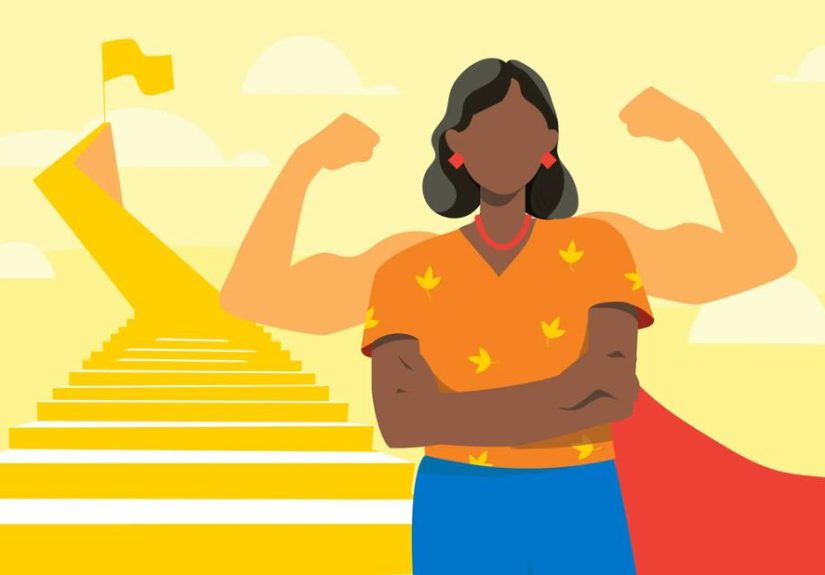
Eldest daughter syndrome is an informal term for a family pattern in which the oldest daughter becomes the helper, fixer, peacemaker, organizer, and emotional air traffic controller of the household. She may be the child who remembers her sibling’s school project, notices when Mom is overwhelmed, tells Dad that the baby still needs lunch, and somehow also gets asked why the laundry has not been folded yet.
In healthy families, being the oldest daughter can simply mean having a little more responsibility and leadership. That is normal. The problem starts when “helpful” turns into “essential,” and “mature for your age” becomes code for “doing work no child should be doing.” At that point, the eldest daughter is no longer just the big sister. She becomes the backup parent, the household systems analyst, and the keeper of everybody else’s emotions.
This is why the concept resonates. It describes a role, not just a personality type. Many eldest daughters do not wake up one day and decide to become perfectionists. They are trained into it by being rewarded for competence, praised for self-sacrifice, and quietly expected to hold things together.
Why Eldest Daughter Syndrome Feels So Real
1. Families Often Hand the Oldest Girl a Quiet Promotion
In many homes, the oldest child gets a little more responsibility. But the oldest daughter often gets a special kind of responsibility: the caregiving kind. She is expected to watch younger siblings, be “the example,” help with chores without being asked twice, and absorb chaos without making a scene. She learns early that competence gets rewarded. Being easy gets praised. Needing less gets interpreted as strength.
That dynamic can look harmless on the surface. She is so responsible. She is such a big help. She is basically a second mom. The family says it like a compliment. The nervous system hears it like a job description.
2. Girls Are Frequently Socialized Into Emotional Labor
There is also a gender layer here that people should not ignore. Daughters are often taught, directly or indirectly, to notice moods, smooth conflict, remember birthdays, manage feelings, and care for others in ways sons may not be expected to. Add firstborn status to that, and you get a child who is not just expected to behave well but to emotionally organize the room.
That is why eldest daughter syndrome often feels bigger than basic sibling hierarchy. It is not only, “You are older, so help out.” It is, “You are older and female, so be nurturing, responsible, patient, polished, and available.” That is a lot of pressure for one human who still has algebra homework.
3. Success Can Become Her Identity
Many eldest daughters discover that their value in the family rises when they perform well. Good grades, good manners, good judgment, good timing, good everything. Over time, achievement can stop feeling like a choice and start feeling like rent. If she is useful, she is safe. If she is impressive, she is lovable. If she drops one ball, she feels like she dropped the moon.
This is where traits like perfectionism, hyper-independence, and people-pleasing often enter the chat wearing expensive blazers and carrying color-coded calendars.
Birth Order, Family Roles, and the Big Debate
Here is where the conversation gets interesting. Some people hear “eldest daughter syndrome” and immediately object: “Birth order is not destiny.” That is true. Research on birth order is mixed. Large studies have found little to no effect on personality across the board, while other research suggests firstborn children may show small advantages in areas like educational attainment, self-reported intellect, or leadership-oriented behavior.
So no, being the firstborn girl does not automatically turn someone into a stressed-out overachiever who alphabetizes the spice rack for fun. But that does not make the idea meaningless. The strongest version of the argument is not that birth order alone determines personality. It is that family expectations, gender norms, and caregiving roles often pile up on eldest daughters in ways that can shape behavior over time.
That distinction matters. Eldest daughter syndrome is not a magical law of the universe. It is a recurring social pattern. In other words, the role may be informal, but the consequences can be very real.
Eldest Daughter Syndrome vs. Parentification
This is the most important distinction in the whole conversation.
Parentification happens when a child takes on responsibilities that belong to adults. That can be practical, like cooking, cleaning, and caring for siblings every day. It can also be emotional, like comforting a parent, mediating adult conflict, or becoming the person everyone leans on when the family is stressed.
Not every eldest daughter is parentified. Some simply have more chores, more responsibility, and a stronger leadership role in an otherwise loving, supportive family. That can be challenging without being harmful. But when the child becomes the household stabilizer because the adults are unavailable, overwhelmed, inconsistent, or dependent on her, the line has been crossed.
The difference is support. A healthy family may ask the eldest daughter to help. An unhealthy family may rely on her so heavily that she cannot develop like a child should. One builds competence. The other builds chronic vigilance.
Common Signs in Adulthood
If eldest daughter syndrome follows someone into adulthood, it often shows up in familiar ways:
- Perfectionism: She feels responsible for getting everything right because mistakes feel bigger than mistakes.
- People-pleasing: She is often praised for being easy, helpful, and accommodating, so saying no feels strangely illegal.
- Hyper-independence: Asking for help feels uncomfortable because she was trained to be the help.
- Burnout: She keeps functioning long past the point where a normal person would have sat down, cried, and ordered fries.
- Boundary problems: She may overfunction in friendships, romance, and work because caretaking feels like second nature.
- Guilt while resting: Relaxing can feel irresponsible, even when nothing is actually on fire.
- Identity fused with usefulness: She may struggle to answer a simple question: Who am I when I am not fixing things?
None of these traits prove someone has a syndrome. But together, they form a recognizable pattern many eldest daughters know all too well.
How It Shows Up in Real Life
At Work
The eldest daughter employee is often the one who keeps the team afloat without technically being the boss. She mentors people, catches mistakes, volunteers to cover, remembers deadlines, and somehow becomes the emotional support department without receiving an updated title or paycheck. Her coworkers may think, “She has it handled.” What they do not see is that “having it handled” may be a trauma-adjacent reflex, not a hobby.
In Romantic Relationships
In dating, she may gravitate toward partners who need organizing, stabilizing, motivating, or rescuing. Not because she enjoys chaos, but because competence feels familiar and caretaking feels like love. She may struggle to receive support without guilt or mistrust. Being cherished can feel nice. Being needed can feel normal. Those are not always the same thing.
In the Family Itself
At home, the pattern often persists long after everyone is grown. She is still the one who plans holidays, checks on parents, manages sibling drama, remembers medications, and answers the group chat with actual information instead of thumbs-up emojis and vague optimism. She may love her family deeply and still feel resentful that she became the default family operations center.
Why the Internet Latched Onto the Term
The internet did not invent this experience. It just gave it better branding.
Part of the reason the term went viral is that it is instantly understandable. “Eldest daughter syndrome” compresses years of invisible labor into three sharp words. It feels validating. It also gives women permission to reframe traits they once thought were random character flaws. Maybe they are not “too controlling.” Maybe they learned that if they did not take control, nobody would. Maybe they are not “bad at relaxing.” Maybe they were trained to equate worth with usefulness.
There is also comfort in collective recognition. A lot of eldest daughters grew up feeling overburdened but also weirdly guilty for complaining because they were the “capable one.” Seeing other people describe the same role can be deeply relieving. It turns private exhaustion into a shared language.
The Skeptics Are Not Entirely Wrong
To be fair, critics do have a point. Not every firstborn daughter experiences these pressures. Some younger daughters are heavily parentified. Some oldest sons are cast into the same fixer role. Some families distribute responsibilities beautifully and raise emotionally healthy siblings who all know how to load a dishwasher without a committee meeting.
That is why it is smarter to think of eldest daughter syndrome as a pattern rather than a rule. It is real in the way burnout is real before it becomes a diagnosis. It is real in the way “office mom” is real even though it is not a line item on a tax form. The phrase captures a social and emotional experience that repeats often enough to deserve serious discussion.
How to Untangle the Role
If this sounds painfully familiar, the goal is not to stop being competent. Competence is not the enemy. Over-responsibility is.
Learn the Difference Between Helping and Overfunctioning
Helping is a choice. Overfunctioning feels compulsory. Start noticing where you jump in automatically. Ask yourself whether the situation actually requires you or whether you are just allergic to watching something be done imperfectly.
Practice Letting Other People Be Responsible
This is harder than it sounds. Let your sibling figure out the birthday gift. Let your coworker own their own deadline. Let your partner solve a problem without you managing the spreadsheet, the snacks, and the emotional weather report.
Build Boundaries Without Writing a Villain Origin Story
Many eldest daughters fear that boundaries make them cold, selfish, or dramatic. They do not. Boundaries are simply a way of saying, “I am a person, not a public utility.” You can love your family and still refuse to be the emergency contact for every emotional inconvenience.
Get Support If the Pattern Runs Deep
If your role in the family involved chronic anxiety, emotional caretaking, or true parentification, therapy can help. Naming the pattern matters. So does grieving it. A lot of eldest daughters are not just tired; they are carrying years of unexamined responsibility that got mistaken for personality.
So, Is Eldest Daughter Syndrome Real?
Yes, but not in the lazy, horoscope-for-family-roles way people sometimes imply.
Eldest daughter syndrome is real as a lived pattern. It is real when the oldest girl becomes the dependable one by default. It is real when her identity gets built around competence, caretaking, and self-denial. It is real when she grows into an adult who can organize everyone else’s life but has no clue how to rest without guilt.
It may not be a formal diagnosis, and it should not be used like one. But as a cultural shorthand for the overlapping effects of gender expectations, family roles, sibling caregiving, and emotional labor, it captures something true. And sometimes naming a pattern is the first step toward breaking it.
The eldest daughter was never “just naturally mature.” Often, she was simply expected to grow up faster. That is the whole point. And once you see it, you cannot unsee it.
Experiences That Make Eldest Daughter Syndrome Feel Real
Ask a room full of eldest daughters what childhood felt like, and you will hear strangely similar stories. Maybe not identical details, but the same emotional rhythm. The same invisible promotion. The same odd combination of pride and exhaustion.
The Child Who Was Always “So Mature”
She was the one adults praised at family gatherings. So responsible. So helpful. So calm. She held the baby without dropping her. She cleaned up without being asked. She translated sibling drama into polite language. Everyone thought she was thriving because she looked composed. Nobody noticed that “mature” sometimes meant anxious, watchful, and careful not to need too much.
The Human Reminder App
She remembered everything: dentist appointments, school forms, soccer socks, grandma’s birthday, the science fair board, the fact that the milk was almost gone, and the emotional tone of the house at 6:12 p.m. She became the person who tracked details because forgetting felt dangerous. If she dropped something, it did not feel like a small mistake. It felt like the system might collapse.
The Mini Therapist Nobody Hired
Some eldest daughters grew up listening to adult worries long before they had words for their own feelings. They learned how to soothe a stressed parent, calm a younger sibling, and read tension from the sound of footsteps in the hallway. Later, people described them as wise beyond their years. What that often meant was that they had too much access to grown-up emotions and too little room to just be kids.
The Girl Who Could Handle Everything, Until She Couldn’t
In high school or college, she often looked impressive from the outside. Good grades. Leadership roles. Part-time job. Family helper. Reliable friend. The whole package. Then one day she hit a wall. Burnout did not come because she was weak. It came because she had been running on obligation for years. People were shocked because she seemed so capable. She was shocked because being capable had become her entire identity.
The Adult Who Is Still Carrying the Role
Even years later, the old pattern can show up in tiny ways. She cannot enjoy a holiday unless everyone else is okay first. She goes home and instantly starts managing the mood of the house. She feels guilty letting a sibling “figure it out themselves.” In relationships, she ends up with people who love her deeply but also lean on her heavily. At work, she becomes indispensable and quietly resentful. She tells herself she is “just responsible,” but deep down she knows responsibility has often been less of a choice and more of a reflex.
These experiences are why the term sticks. They are not random. They are not rare. And they are not simply personality quirks floating in from nowhere. They are often the aftershocks of being assigned a role too early and performing it too well. That is what makes eldest daughter syndrome feel so real to so many people: it explains why strength and strain so often arrive in the same package.