Table of Contents >> Show >> Hide
- Why Half Walls Still Work in Modern Homes
- 21 Half Wall Ideas to Integrate the Feature Seamlessly Into Any Room
- 1. Dress a Plain Half Wall in Geometric Paneling
- 2. Turn It Into an Art Ledge
- 3. Use the Ceiling to Make the Wall Make Sense
- 4. Let It Shield Kitchen Countertop Chaos
- 5. Build Storage Into One Side
- 6. Use It to Anchor a Seating Area
- 7. Top It With Plants for a Softer Divide
- 8. Swap a Bulky Island for Open Shelving
- 9. Add a Column or Framed End Detail
- 10. Turn It Into a Breakfast Bar
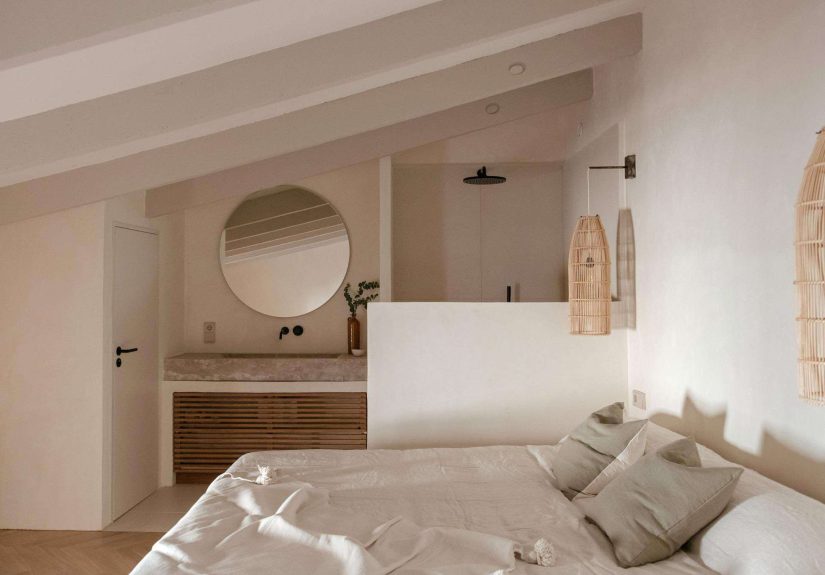
- 11. Use One as a Bedroom-to-Bath Buffer
- 12. Put Bathroom Hardware on It
- 13. Top It With an Interior Window
- 14. Wrap It in Beadboard or Wainscoting
- 15. Let It Anchor a Banquette
- 16. Define Bathroom Zones With Stone
- 17. Add Reeded, Tinted, or Clear Glass Above It
- 18. Build in a Bench or Shower Niche
- 19. Give It Character With Shiplap or Rustic Texture
- 20. Pair It With Railing for Safer Open Spaces
- 21. Paint It With Chalkboard or Dry-Erase Finish
- The Secret to Making a Half Wall Look Intentional
- Real-Life Experiences With Half Walls: What Homeowners Actually Notice After the Install
- Conclusion
A half wall is the architectural equivalent of saying, “I need boundaries, but let’s not make this weird.” Also called a pony wall, this low-profile feature can divide a room, hide mess, add privacy, or create a little breathing room between zones without sealing everything off like a fortress. That is exactly why half wall ideas keep showing up in kitchens, bathrooms, entryways, bedrooms, and open-concept living spaces. They do the useful work of a partition while still letting light, conversation, and sightlines move around freely.
The problem, of course, is that a half wall can also look like an afterthought. You know the type: too short to feel architectural, too awkward to ignore, and somehow always collecting random mail, charging cables, and one lonely decorative bowl no one asked for. But when the design is handled well, a half wall becomes one of the smartest features in the room. It can anchor furniture, support shelving, create a breakfast bar, frame a shower, or add texture with beadboard, panel molding, or shiplap.
If you are wondering how to make this feature feel polished instead of puzzling, you are in the right place. Below are 21 practical, stylish, and genuinely livable half wall ideas to help you integrate the feature seamlessly into any room. Some are subtle. Some make a statement. All of them prove that a short wall can pull a surprising amount of weight.
Why Half Walls Still Work in Modern Homes
Great half wall design comes down to balance. A full wall gives privacy but can make a room feel chopped up. No wall at all gives openness but can make a space feel vague, noisy, or visually messy. A half wall lands in the sweet spot. It helps define an entry, divide a kitchen from a living room, separate a bedroom from an en suite, or create privacy in a walk-in shower while keeping the room open and bright.
It also helps that half walls are versatile. They can be finished like built-ins, topped with glass, wrapped in paneling, paired with storage, or used as a guard along stairs and split-level transitions. The key is making them look intentional. Match surrounding finishes, repeat materials elsewhere in the room, and give the wall a clear purpose. A half wall that hides clutter, supports seating, or frames a view always feels more convincing than one that simply exists because the floor plan got indecisive.
21 Half Wall Ideas to Integrate the Feature Seamlessly Into Any Room
1. Dress a Plain Half Wall in Geometric Paneling
If your half wall looks builder-basic, decorative millwork is a fast way to give it personality. Geometric paneling adds depth, rhythm, and a custom feel without requiring a full renovation. Paint it to match the surrounding trim for a subtle result, or stain the wood for a richer, furniture-like finish. Suddenly the awkward divider looks deliberate.
2. Turn It Into an Art Ledge
A half wall is prime real estate for leaning small framed art, ceramics, or sculptural objects. If the wall already has columns or a shelf, even better. Styling the top gives the feature a purpose and helps it connect visually to nearby furniture. The trick is restraint: think curated vignette, not yard sale with good lighting.
3. Use the Ceiling to Make the Wall Make Sense
Sometimes the best way to integrate a half wall is not to obsess over the wall itself. Paint the ceiling above it, add wallpaper, or hang a pendant to define the zone it creates. This works especially well in entryways, where a half wall can help carve out a foyer without boxing in the room. The wall becomes part of a larger design story.
4. Let It Shield Kitchen Countertop Chaos
Open kitchens are lovely until the blender, dish soap, and mail pile are fully visible from the sofa. A half wall behind base cabinets can hide countertop clutter while maintaining a connected feel between kitchen and living spaces. Finish the top with the same stone or countertop material used elsewhere so it looks integrated rather than improvised.
5. Build Storage Into One Side
One of the smartest half wall ideas is to make it earn its square footage. Adding bookshelves, cubbies, or shallow built-ins on one side turns the divider into a storage feature that actually improves the room. This is especially useful in reading nooks, home offices, kids’ spaces, or small living rooms where every inch needs a job.
6. Use It to Anchor a Seating Area
In split-level homes or sunken living rooms, a half wall can help define the conversation zone and make the layout feel cozy instead of floating. It gives the seating area a visual edge and can guide furniture placement without closing the room off. Think of it as a gentle traffic director with better taste.
7. Top It With Plants for a Softer Divide
If a half wall feels a little hard or abrupt, greenery can soften the transition. A row of potted plants, trailing vines, or even hanging planters above a wall cutout adds texture and movement while preserving the open feel. It is a good solution for kitchens, dining areas, and sunny in-between spaces that need life.
8. Swap a Bulky Island for Open Shelving
In small kitchens, a half wall with open shelving can do more than a heavy island or peninsula. It offers storage, divides the room, and keeps the layout airy. Line the shelves in wood for warmth or paint them to match cabinetry for a quieter look. Leave some breathing room so the display does not start screaming “clutter shelf.”
9. Add a Column or Framed End Detail
A half wall that ends abruptly can look unfinished. One way to fix that is by adding a column, post, or trimmed-out end detail. This gives the feature a stronger architectural presence and helps it transition into adjacent walls, hallways, or openings. It is a small move that makes the entire room feel more considered.
10. Turn It Into a Breakfast Bar
Few half wall ideas work harder than the breakfast bar. Add a stone, butcher-block, or quartz cap with a slight overhang, slide in a couple of stools, and the divider becomes casual dining space, homework station, coffee perch, or party landing pad. It is especially useful in apartments and compact homes where a separate dining area is a luxury.
11. Use One as a Bedroom-to-Bath Buffer
In a primary suite, a half wall can create welcome separation between the sleeping area and an en suite bath or dressing zone. It gives privacy without making the bedroom feel boxed in, and it can also act as a splash guard if a tub or shower sits nearby. Add matching finishes on both sides so it reads like part of the architecture.
12. Put Bathroom Hardware on It
A shower half wall does not have to stop at “wet drywall but prettier.” Add towel hooks, a ledge, or a slim niche and the wall becomes practical as well as polished. This works beautifully in larger showers where the wall adds partial privacy but still allows glass, light, and airflow to keep the bathroom feeling open.
13. Top It With an Interior Window
If you want more definition without sacrificing brightness, add an interior window above the half wall. Steel-style grids, reeded glass, or simple framed panes can create a striking divider between a kitchen and hallway, office and living room, or bedroom and sitting area. The result feels architectural, airy, and a little bit “yes, a designer absolutely thought this through.”
14. Wrap It in Beadboard or Wainscoting
Matching the half wall to surrounding wainscoting is one of the easiest ways to make it disappear into the room in a good way. Beadboard, board-and-batten, or traditional wall paneling adds texture and a built-in feel while tying the divider to the rest of the space. This approach works especially well in bathrooms, dining rooms, and hallways.
15. Let It Anchor a Banquette
A half wall beside a kitchen peninsula or dining nook can become the perfect backstop for banquette seating. It helps define the eating area, supports the furniture layout, and makes the room feel custom. Add a cushion, a table with a pedestal base, and a pendant overhead, and suddenly breakfast feels far more glamorous than cold cereal deserves.
16. Define Bathroom Zones With Stone
Bathrooms benefit enormously from half walls because they create separation without heaviness. A stone or tiled half wall behind a tub can hide plumbing, separate a shower, or define wet and dry zones in a larger bath. Carry the same tile or slab onto nearby surfaces so the divider feels intentional and luxurious rather than random.
17. Add Reeded, Tinted, or Clear Glass Above It
Glass-topped half walls are one of the best solutions for anyone who wants privacy and openness at the same time. Clear glass keeps the look light, reeded glass blurs views slightly, and tinted panes add mood. This idea works beautifully in bedrooms, bathrooms, and offices where you want to preserve sightlines without feeling fully exposed.
18. Build in a Bench or Shower Niche
In bathrooms, half walls can support more than glass. They can also hold a bench, niche, or ledge for everyday function. That means the wall is not just a divider; it becomes part of how the room works. In family bathrooms and shared baths, that kind of usefulness matters almost as much as the tile choice.
19. Give It Character With Shiplap or Rustic Texture
A shiplap half wall can add warmth and visual texture without demanding too much attention. Go horizontal for a classic look or vertical for something fresher and more tailored. If the room leans rustic or cottage-inspired, wood tones, rope detailing, or matte finishes can help the half wall feel layered and inviting instead of flat.
20. Pair It With Railing for Safer Open Spaces
Along stairs, landings, and split-level transitions, a half wall can do important safety work while still keeping the room airy. Pair it with simple railing, metal spindles, or glass for a cleaner sightline and better flow. When finished to match the rest of the trim package, the whole setup feels architectural rather than purely functional.
21. Paint It With Chalkboard or Dry-Erase Finish
In family homes, a half wall near the kitchen or playroom can become a low-key command center. Chalkboard or dry-erase paint turns the feature into a spot for grocery lists, doodles, reminders, and the occasional masterpiece involving six suns and a suspiciously blue dog. It is playful, practical, and surprisingly stylish when the rest of the room stays crisp.
The Secret to Making a Half Wall Look Intentional
The best half wall ideas share one thing: purpose. If the wall hides clutter, frames an entry, adds storage, supports seating, improves bathroom privacy, or creates a safer stair edge, it feels justified. If it just sits there awkwardly at knee height with no visual relationship to anything nearby, it starts giving “leftover renovation decision.”
To make yours feel seamless, repeat materials and lines throughout the room. Match the cap to the countertop. Continue the wainscoting onto adjacent walls. Echo the wood tone in shelving, beams, or furniture. Use the same paint color as the trim or cabinetry. And before changing any existing wall, especially near stairs or structure, make sure the project is evaluated correctly. Stylish is wonderful, but sturdy stylish is better.
Real-Life Experiences With Half Walls: What Homeowners Actually Notice After the Install
Once people live with a half wall for a while, the first thing they usually notice is not the wall itself. It is how much better the room behaves. An entry feels like an entry instead of a front door opening directly into the sofa. A kitchen feels less exposed. A bathroom feels more private without becoming cave-like. In other words, the half wall quietly fixes the social awkwardness of open space. It creates just enough separation for the brain to relax while still letting the room feel generous and bright.
Another common experience is that half walls often become “accidental magnets” for daily life. That is not always a bad thing, but it is real. In a kitchen, a half wall may become the coffee station, the snack drop zone, or the place where someone sets down keys and insists they will put them away later. In a family room, it may turn into a ledge for plants, books, or framed photos. This is why the best designs plan for behavior instead of pretending everyone lives like a showroom catalog. If a wall is likely to collect objects, give it a durable cap, a tray, shelving, or a clear purpose from the start.
People also tend to appreciate how flexible a half wall feels over time. A full wall locks in a layout. A half wall suggests one. That difference matters. You can shift furniture, change how a room is used, or update the decor without fighting the architecture. A breakfast bar can become a laptop perch. A plant ledge can become a homework station. A wall that once separated a play area from a living room might later help define a reading nook or home office. Good half wall ideas age well because they leave some room for life to change its mind.
In bedrooms and bathrooms, the emotional effect is often bigger than expected. People like openness in theory, but total exposure gets old fast. A half wall between a bed and an en suite gives a sense of retreat, even if the square footage stays exactly the same. In bathrooms, a partial wall around a shower or toilet creates comfort without the heaviness of full enclosure. That “in-between” feeling is what makes the feature so useful. It preserves flow while still giving people a little dignity, which is frankly one of the kindest things architecture can do.
There is also the visual payoff. Homeowners frequently say a well-finished half wall makes the room look more custom, even when the project itself was fairly modest. Millwork, paneling, beadboard, tile, glass, or a stone cap can make the divider feel like a built-in architectural feature instead of an odd remnant. That is especially true when the wall echoes something else in the room, such as cabinetry, window trim, shelving, or stair details. Suddenly the whole space looks more layered and intentional, like it had a plan all along.
The only consistent regret tends to show up when the half wall is left undecided. Too plain, and it feels unfinished. Too fussy, and it competes with everything else. The sweet spot is a half wall that knows its job and dresses accordingly. If it is functional, let it be practical and handsome. If it is decorative, keep the styling edited. And if you are ever unsure whether the room needs one, ask a simple question: would this space feel better with a little more structure and a little less exposure? If the answer is yes, a half wall may be exactly the middle ground your home has been waiting for.
Conclusion
Half walls succeed when they stop trying to be tiny full walls and start acting like purposeful design tools. They can create privacy, improve flow, add storage, anchor furniture, support glass, frame views, and make open-concept rooms feel more livable. Whether you prefer clean modern lines, classic wainscoting, rustic shiplap, or a quietly practical breakfast bar, the smartest half wall ideas are the ones that solve a problem beautifully. Done right, this humble feature does not interrupt a room. It completes it.