Table of Contents >> Show >> Hide
- What Are Brittle Nails, Exactly?
- Common Signs of Brittle Nails
- The Most Common Causes of Brittle Nails
- Medical Causes That Can Show Up as Brittle Nails
- How to Treat Brittle Nails at Home
- What About Biotin for Brittle Nails?
- When to See a Doctor About Brittle Nails
- What Not to Do if You Have Brittle Nails
- What Real-Life Brittle Nail Experiences Often Look Like
- Final Thoughts
If your nails snap while opening a soda can, peel like a croissant, or split right before you’re about to look pulled together, welcome to the surprisingly crowded club of people dealing with brittle nails. The good news: this is common. The even better news: brittle nails are often fixable, or at least very manageable, once you figure out what’s causing them.
Brittle nails usually show up as nails that crack, peel, split, fray at the tips, or break more easily than they used to. Sometimes they look dry and dull. Sometimes they grow, only to betray you a few millimeters later. Rude. But also common.
In many cases, brittle nails are caused by everyday habits like repeated hand-washing, frequent wet-to-dry cycles, cleaning chemicals, nail polish removers, gel manicures, or acrylics. In other cases, they can be a clue that something else is going on, such as low iron, thyroid problems, a fungal infection, or inflammatory skin conditions affecting the nail area.
This guide breaks down the most common causes of brittle nails, how to treat them at home, when to see a doctor, and what actually helps instead of just looking fancy on a bathroom shelf.
What Are Brittle Nails, Exactly?
Brittle nails are nails with reduced strength and flexibility. Instead of bending a little and staying intact, they split, peel, chip, or crack. Some people notice horizontal peeling at the nail tips. Others develop vertical ridges and easy breakage. You might see both at the same time, which feels less like a nail problem and more like a personal attack.
Healthy nails are made of layers of keratin, a protective protein. When those layers lose moisture, become damaged, or do not form properly as the nail grows, the nail plate becomes fragile. That fragility can be triggered by outside stressors, inside health issues, or a very annoying team-up of both.
Common Signs of Brittle Nails
Brittle nails do not look exactly the same for everyone, but the most common signs include:
Peeling or flaking at the tips, splitting down the nail, cracks near the edge, rough texture, vertical ridges, dullness, snagging on fabric, or nails that break before they grow to any meaningful length. Some people also notice dryness around the cuticles or hangnails tagging along like unwanted backup dancers.
The Most Common Causes of Brittle Nails
1. Too Much Water, Soap, and Hand Sanitizer
This is one of the biggest culprits. Repeated wetting and drying can strip moisture from the nail plate. Washing dishes, frequent hand-washing, long baths, swimming, and lots of sanitizer use can all leave nails dry and weak. Nails do not love going from soaked to bone-dry over and over again.
If your hands are in water constantly because of your job or daily routine, your nails may become soft when wet and then brittle as they dry. Over time, that cycle can lead to peeling, splitting, and breakage.
2. Cleaning Products and Harsh Chemicals
Detergents, solvents, and household cleaners can be rough on nails. If you scrub bathrooms bare-handed or do dishes without gloves, your nails may be absorbing more abuse than appreciation. Even if your skin seems to tolerate it, your nails may quietly file a complaint.
3. Nail Polish, Removers, Gels, Acrylics, and Dip Powders
Traditional nail polish is not always the villain, but constant polish use and frequent remover use can dry nails out. Acetone is especially drying, and even non-acetone removers can be tough on already fragile nails if used often.
Gel manicures, acrylics, and dip systems can be even harder on nails. The problem is not only the product itself. Prep work can thin the nail surface, and removal can be rough, especially if you peel, scrape, or file too aggressively. If your nails got dramatically worse after a season of “just one more gel set,” there is your clue.
4. Aging
Nails often become more brittle with age. They can grow more slowly, look duller, and develop ridges. This does not automatically mean something is medically wrong. Sometimes the explanation is simply that time keeps moving and nails, like knees and patience, are not always thrilled about it.
5. Dry Air and Cold Weather
Low humidity, winter air, indoor heating, and frequent temperature changes can all contribute to dry, splitting nails. If your nails become dramatically worse every fall or winter, the environment may be doing more damage than your manicure habits.
6. Repeated Trauma or Bad Habits
Nail biting, picking at polish, pushing back or cutting cuticles too aggressively, filing the nail surface, or using your nails as tools can all weaken the nail plate. Opening packages, scraping stickers, and prying can tabs with your nails might save a few seconds, but your nails usually send a bill later.
Medical Causes That Can Show Up as Brittle Nails
Not every case of brittle nails is “just cosmetic.” Sometimes nail changes can be linked to a medical issue that needs attention.
Iron Deficiency
Low iron can affect the nails, especially when deficiency becomes significant. In some cases, nails may become thin, weak, brittle, or even develop a spoon-like shape. If brittle nails come with fatigue, shortness of breath, dizziness, hair shedding, or pale skin, it is smart to ask a healthcare provider whether iron deficiency could be involved.
Thyroid Problems
Hypothyroidism, or an underactive thyroid, can be associated with dry skin, hair changes, and brittle nails. If your nails are suddenly changing along with fatigue, feeling cold all the time, constipation, weight changes, or dry skin, your thyroid may deserve a look.
Skin Conditions and Nail Disorders
Psoriasis, eczema around the hands, lichen planus, and other inflammatory conditions can affect how nails grow. Infections can also change nail texture and strength. Fungal nail infections are especially common in toenails and may cause thickening, discoloration, crumbling, and brittleness.
Medications and Medical Treatments
Some medications and cancer treatments can make nails dry, fragile, ridged, or prone to cracking. If your nail changes started after beginning a new medication or treatment, mention it to your healthcare team rather than assuming your nails simply “gave up.”
Nutritional Problems
When the body is low in certain nutrients, nails can sometimes reflect it. That does not mean every splitting nail is caused by a deficiency, but poor nutrition, undereating, or certain medical conditions that affect nutrient absorption can play a role.
How to Treat Brittle Nails at Home
The best treatment depends on the cause, but these strategies help many people.
Moisturize Like You Mean It
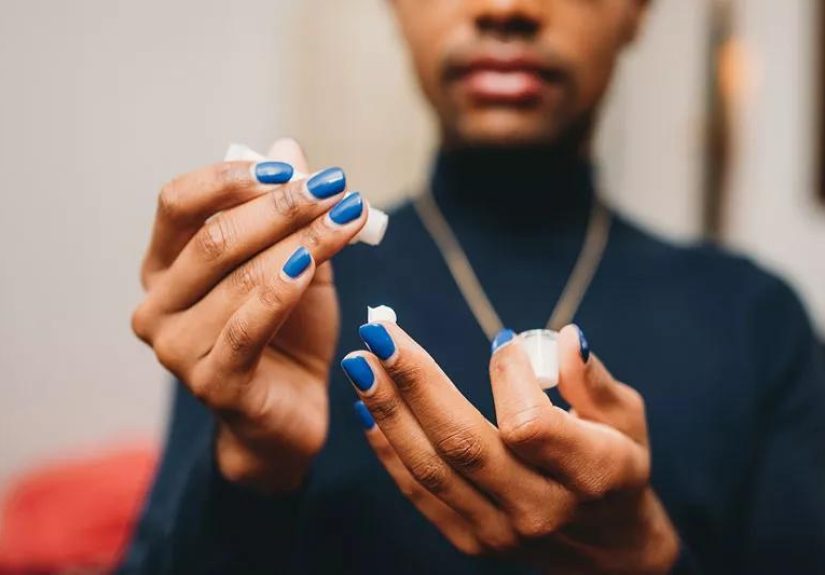
One of the simplest and most effective treatment tips for brittle nails is regular moisturizing. Rub hand cream, ointment, or petroleum jelly into your nails and cuticles after washing your hands and before bed. Think of it as skin care for your nails, because that is exactly what it is.
Thicker products often work better than lightweight lotions, especially overnight. Some people like to apply an ointment and wear cotton gloves to bed. It is not glamorous, but neither is another nail casualty.
Wear Gloves for Wet Work
If you wash dishes, clean, garden, or use chemicals, wear protective gloves. Cotton-lined rubber gloves are especially helpful because they reduce exposure to water and irritants while also making your hands less sweaty than standard rubber alone.
Keep Nails Short for a While
Shorter nails are less likely to catch, bend, and split. If your nails are actively peeling or cracking, trimming them down can help them recover. It is not surrender. It is strategy.
Be Gentle With Grooming
Trim nails straight across or with a soft curve at the tips, and smooth rough edges carefully. Avoid aggressive buffing, rough filing, and cutting your cuticles. Cuticles act as a protective barrier, so attacking them in the name of beauty can backfire fast.
Take a Break From Nail Enhancements
If gels, acrylics, or dip powders are part of your regular routine, a break can help. Even a few weeks without enhancements may give the nail plate time to grow out stronger. If you do wear polish, try leaving it on for reasonable periods rather than constantly removing and reapplying it.
Use Remover Sparingly
Nail polish remover can dry the nail plate, especially if you are using it several times a week. Space out polish changes when possible, and avoid picking or peeling polish off by hand. That trick removes layers of your actual nail along with the polish, which is a terrible bargain.
Consider a Nail Hardener Carefully
Some people benefit from a protective nail hardener or strengthening product, especially when nails are soft and bendy. These can help reduce breakage for some users, but they are not a cure-all. If a product makes your nails feel worse or more rigid and crack-prone, stop using it.
Eat Well and Treat Deficiencies, Not Internet Rumors
A balanced diet with enough protein, iron, and overall nutrients supports nail growth. If you suspect a deficiency, it is better to get evaluated than to guess your way through the supplement aisle with the confidence of a magician.
What About Biotin for Brittle Nails?
Biotin is often marketed as a miracle for hair, skin, and nails. The real story is less dramatic. Some small studies suggest biotin may help certain people with thin or brittle nails, but the evidence is limited and not strong enough to call it a guaranteed fix.
Also important: high-dose biotin supplements can interfere with some lab tests. So if you are thinking about taking biotin, talk with your healthcare provider first, especially if you get blood work done or have a medical condition being monitored.
When to See a Doctor About Brittle Nails
You should not panic over every split nail. But you should get checked if your brittle nails are persistent, painful, suddenly much worse, or happening with other symptoms.
Make an appointment if you notice nail thickening, yellowing, crumbling, bleeding, swelling, pain around the nail, or the nail lifting away from the nail bed. Also get evaluated if your nail changes come with fatigue, hair loss, dry skin, weight changes, or signs of anemia or thyroid trouble.
And if you ever notice a dark streak, unusual discoloration, or a major change in one nail that does not grow out normally, get it examined. Most nail changes are harmless, but some deserve professional attention.
What Not to Do if You Have Brittle Nails
Do not peel off gel polish. Do not rip hangnails. Do not cut your cuticles to shreds. Do not soak your hands in harsh cleaners and hope moisturizer will fix everything later. And do not assume every supplement labeled “hair, skin, and nails” is automatically useful.
When nails are fragile, less drama is usually better. Less chemical exposure, less scraping, less picking, less over-processing. Your nails are asking for a calmer relationship.
What Real-Life Brittle Nail Experiences Often Look Like
People often think brittle nails show up as one obvious problem, but in real life, the experience is usually messier. A nurse might notice her nails peeling at the tips after long shifts filled with hand-washing, sanitizer, and glove changes. At first, she blames the weather. Then she switches hand creams three times, trims her nails shorter, and realizes the constant wet-to-dry cycle was doing most of the damage. The moment she starts applying ointment after every wash and using gentler soap at home, her nails slowly stop shredding like receipt paper.
Another common experience happens with beauty routines. Someone gets regular gel manicures for months because they love how polished and durable they look. Then one removal appointment goes a little too hard, or they peel off leftover gel at home, and suddenly their nails feel thin, flexible, and weirdly sore. They describe the nails as “paper-like,” with peeling layers that catch on sweaters, bedsheets, and apparently all known fabrics. The fix is rarely instant. Usually, it takes several weeks of patience, short nails, lots of moisturizer, and avoiding another round of enhancements long enough for healthier nail to grow out.
Parents of babies and toddlers often report a different version. Between washing bottles, cleaning up mysterious sticky substances, bathing small humans, and living with hands in water all day, their nails become brittle without them realizing why. They are not doing salon damage. They are doing life damage. In these cases, gloves for dishes, thick cream at bedtime, and cutting back on unnecessary polish changes can make a surprisingly big difference.
Then there is the person who keeps blaming “bad nails” until other symptoms join the party. Maybe they are more tired than usual. Maybe their hair is shedding more. Maybe they feel cold all the time or get winded climbing stairs. The nail changes become a clue instead of the whole story. A medical visit and a few basic tests reveal iron deficiency or thyroid disease. Once the underlying issue is treated, the nails improve gradually as new, healthier nail grows in. That timeline matters. Nails do not transform overnight. They recover on nail time, which is slow, stubborn, and not especially interested in your schedule.
Older adults often describe brittle nails as part of a broader shift in how their skin and nails behave with age. Their nails grow slower, develop more ridges, and seem to split more easily, especially in winter. In many of these cases, the issue is not a dangerous disease but a combination of age-related dryness, friction, and years of exposure to water and irritants. Simple habits, like moisturizing after hand-washing, keeping nails shorter, and avoiding harsh grooming, can help more than people expect.
One of the most frustrating experiences is that brittle nails can feel trivial to everyone except the person living with them. But anyone who has caught a split nail on a zipper, typed with sore fingertips, or watched the same nail break six times in a row knows it can affect comfort, appearance, and confidence. The encouraging part is that brittle nails are often manageable once the right cause is identified. A few small routine changes can make a very real difference over time.
Final Thoughts
Brittle nails are common, annoying, and usually treatable. In many cases, the cause is external: too much water, too many chemicals, too many manicures, or too little moisture. In other cases, brittle nails can be a subtle signal of something deeper, like iron deficiency, thyroid problems, infection, or inflammatory skin disease.
The smartest approach is simple: protect nails from repeated damage, moisturize consistently, keep grooming gentle, and pay attention to the pattern. If the problem does not improve, gets worse, or comes with other symptoms, get checked. Healthy nails are not built by panic-buying random products. They are built by identifying the cause and giving your nails a routine they can actually survive.
Note: This article is for educational purposes only and is not a substitute for personalized medical advice, diagnosis, or treatment.