Table of Contents >> Show >> Hide
- The Short Version (Because Your Time Is Valuable)
- Mold 101: What It Is, Why It Loves Your House, and Why It Won’t Pay Rent
- So… Can Mold Cause Cancer?
- The Real Cancer Link: Mycotoxins (Especially Aflatoxins)
- What Indoor Mold Is Known to Do (Even If It’s Not Cancer)
- “Toxic Black Mold” and Other Internet Legends
- Latest Guidance Trend: Fix Moisture First, Don’t Over-Index on Testing
- Prevention: The “No Moisture, No Mold” Game Plan
- Food-Side Prevention: Lowering Mycotoxin Exposure in Real Life
- Practical “Should I Worry?” Scenarios
- Conclusion: The Truth, Without the Doom Scroll
- Experiences: What People Commonly Go Through (and What Actually Works)
Medical note: This article is for general education and isn’t a substitute for personal medical advice. If you have symptoms you’re worried about, talk with a licensed clinician.
The Short Version (Because Your Time Is Valuable)
People ask “can mold cause cancer?” because mold looks suspicious, smells like a swampy gym sock, and shows up in the same places as life’s other problems: leaks, floods, and unfinished basements.
Here’s the science-y reality: typical indoor mold exposure has not been proven to directly cause cancer.
The clearer cancer connection involves mycotoxinstoxic chemicals produced by certain moldsespecially aflatoxins in contaminated foods like peanuts and corn.
Translation: that fuzzy patch on your shower grout is more likely to cause sneezing, wheezing, and a strong urge to move than it is to cause cancer.
But mold still matters because it can aggravate allergies and asthma, contribute to respiratory symptoms, and (in specific settings) expose people to toxins that do have known cancer links.
Mold 101: What It Is, Why It Loves Your House, and Why It Won’t Pay Rent
Mold is a type of fungus that exists basically everywhereoutdoors, indoors, and probably in that one forgotten lunch container in the back of your fridge.
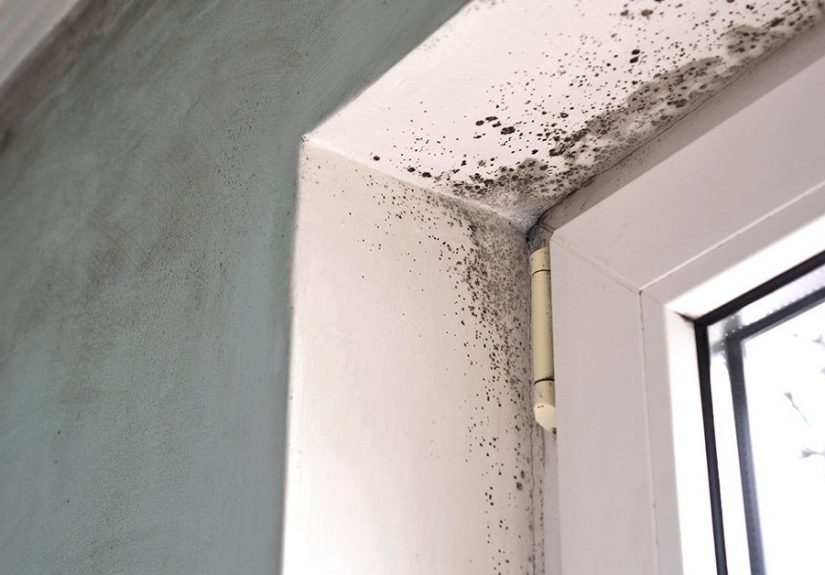
In most homes, mold becomes a problem when moisture sticks around long enough for spores to settle and grow. Common mold “romance novel” settings include:
- Leaks under sinks, behind toilets, and around windows
- Flooded basements and storm-damaged drywall
- Bathrooms without ventilation (aka the “steam sauna of regret”)
- HVAC drip pans, damp filters, and poorly maintained ducts
- Carpets and padding that stayed wet too long
The key detail: mold needs water. Cut off moisture, and most mold problems lose their superpowers.
So… Can Mold Cause Cancer?
If you’re looking for a clean yes/no answer, science mostly says: not in the way people fear.
Researchers and major health agencies consistently point to mold as a trigger for allergic and respiratory issues, not a confirmed direct cause of cancer from typical household exposure.
But the question gets tricky because “mold exposure” can mean very different things:
- Indoor mold in damp buildings (walls, bathrooms, basements): mostly linked with respiratory symptoms and allergies.
- Moldy foods or contaminated crops (especially in warm, humid storage conditions): can involve mycotoxins like aflatoxin, which is linked to cancer risk.
- Occupational exposure (agriculture, grain handling): may involve inhaling contaminated dust or handling moldy feed.
Bottom line: when people say “mold,” they often mean “indoor mold.” When researchers say “cancer risk,” the strongest evidence involves aflatoxins in food systemsnot the mildew on your windowsill.
The Real Cancer Link: Mycotoxins (Especially Aflatoxins)
Some molds produce mycotoxins, which are chemical compounds that can harm humans and animals.
The most important one for cancer risk is aflatoxin, produced primarily by certain Aspergillus species that can contaminate crops like corn and peanuts when conditions are warm and humid.
Aflatoxins and Liver Cancer: What Research Shows
Aflatoxin exposure is associated with an increased risk of liver cancer (hepatocellular carcinoma).
People can be exposed by eating contaminated plant products (like peanuts) or consuming animal products when animals ate contaminated feed.
Certain agricultural workers can also be exposed through inhaling dust when handling contaminated crops or feeds.
Risk doesn’t operate in a vacuum. In global research, aflatoxin-related liver cancer risk is often discussed alongside other major liver risk factors (like chronic viral hepatitis).
The takeaway for everyday readers in the U.S. is practical: food safety and proper storage matter, and the food supply is monitored to reduce contamination.
“But I Saw Mold on My Bread…”
You’re not alone. The bread box is where good intentions go to be forgotten.
Here’s the nuance: not all visible mold on food equals aflatoxin risk, and the specific molds that produce aflatoxins are more commonly a concern in certain crops and storage conditions.
Still, as a general rule, eating visibly moldy foods is not a hobby worth adopting.
Also important: mycotoxins can spread beyond the visible fuzzy spot in some foods. Cutting off “just the moldy part” is not always a reliable strategyespecially for soft foods.
When in doubt, toss it. Yes, it hurts. But less than regret.
What Indoor Mold Is Known to Do (Even If It’s Not Cancer)
Indoor mold exposure is linked most consistently with:
- Allergic symptoms (sneezing, runny nose, itchy eyes)
- Asthma development or worsening symptoms in sensitive people
- Irritation of eyes, skin, nose, throat, and lungs
- Respiratory symptoms in damp/moldy buildings
In other words, mold’s “signature move” is inflammation and irritationnot cancer formation.
That doesn’t make it harmless. It makes it a different kind of problem: one that can drag down quality of life and trigger serious breathing issues for some people.
Who Is at Higher Risk from Mold Exposure?
Mold bothers different people differently. Some people walk into a musty room and shrug. Others turn into a sneezing fountain within minutes.
Groups more likely to have significant reactions include:
- People with asthma or chronic lung disease
- People with mold allergies
- Infants and young children (developing immune systems)
- Older adults
- People with weakened immune systems
“Toxic Black Mold” and Other Internet Legends
The phrase “toxic black mold” gets tossed around like it’s a movie villain.
Yes, certain molds (including some dark-colored ones) can produce toxins under certain conditions.
But color alone doesn’t tell you how risky something is, and the presence of “black mold” in a home is not the same thing as a proven cancer threat.
A smarter approach than panic-Googling at 2 a.m.: treat visible mold as a moisture-and-cleanup problem, take symptoms seriously, and focus on prevention.
Latest Guidance Trend: Fix Moisture First, Don’t Over-Index on Testing
If you can see or smell mold, you already have the key information: mold is present.
Many public health and workplace guidance documents emphasize that routine air sampling often doesn’t translate cleanly into health risk prediction.
Why? Mold levels vary by time, airflow, and what was disturbed that day. The actionable part is still the same: remove mold and fix the moisture source.
When Mold Testing Can Make Sense
Testing isn’t always uselessit’s just often oversold.
Consider professional assessment when:
- Mold covers a large area (you’re no longer cleaning; you’re excavating)
- You suspect hidden mold (musty odor, stains, recurring moisture, but nothing visible)
- There was flooding and materials stayed wet for more than a day or two
- Someone in the home is high-risk and symptoms worsen indoors
- You’re dealing with HVAC contamination or widespread building dampness
Prevention: The “No Moisture, No Mold” Game Plan
1) Keep Indoor Humidity in Check
Mold loves humidity the way mosquitoes love ankles.
Aim to keep indoor humidity below 50% when possible. Use a dehumidifier in damp areas, run bathroom fans, and make sure dryers vent outside.
A cheap hygrometer can be surprisingly motivating (nothing like a number to start a household feud about turning on the fan).
2) Act Fast After Leaks or Flooding
Time matters. Guidance commonly recommends drying wet or water-damaged areas and items within about 24–48 hours to reduce the chance of mold growth.
That means removing wet carpet padding, drying drywall, and getting airflow movingfast.
3) Clean Small Areas Safely
For small patches on hard surfaces, scrubbing with detergent and water and drying thoroughly is often effective.
Wear gloves and consider eye and respiratory protection, especially if you’re sensitive or the area is dusty.
Never mix cleaning chemicals (your bathroom should not become a chemistry experiment).
4) Know When to Call a Pro
Call qualified help when:
- The affected area is large or keeps returning
- Porous materials (drywall, insulation, carpet) are moldythese often need removal
- You suspect structural moisture issues (roof, foundation, plumbing in walls)
- You’re immunocompromised or have severe asthma and symptoms flare indoors
Food-Side Prevention: Lowering Mycotoxin Exposure in Real Life
In the U.S., food safety systems help reduce aflatoxin exposure, and action levels exist for certain products.
Still, smart habits reduce your personal risk further:
- Store nuts and grains properly (cool, dry conditions; sealed containers).
- Buy from reputable sources, especially for bulk nuts and corn-based products.
- Inspect foods for visible mold, off odors, or damaged packaging.
- Don’t “salvage” questionable foodsespecially soft foods and nut butters.
- Be extra cautious if you have liver disease or other risk factorstalk to your clinician about individualized advice.
Practical “Should I Worry?” Scenarios
Scenario A: Musty Basement + Occasional Cough
The likely issue: dampness and mold irritating your airways (or aggravating allergies/asthma), not cancer.
Step one is moisture control: dehumidifier, fix seepage, improve ventilation, and remove any visible moldy materials.
If symptoms improve outside the home and return indoors, it’s worth discussing with a clinicianespecially if you have asthma.
Scenario B: Flooded Drywall That Stayed Wet for Days
This is a classic setup for widespread hidden mold growth. The bigger risk is respiratory exposure during cleanup and ongoing dampness.
Porous materials that stayed wet often need removal and replacement, and proper containment during remediation can reduce spore spread.
Scenario C: “I Ate Moldy Nuts. Am I Doomed?”
One accidental exposure is unlikely to be catastrophic. The bigger concern is chronic, repeated intake of contaminated foods over time.
If you frequently consume foods at higher risk for contamination and you have liver risk factors, talk with a clinician for tailored guidance.
Conclusion: The Truth, Without the Doom Scroll
Socan mold cause cancer? Typical indoor mold exposure has not been shown to directly cause cancer, and the strongest cancer link is tied to specific mycotoxins (notably aflatoxins) that can contaminate foods.
That said, mold can still seriously affect healthespecially for people with allergies, asthma, or immune vulnerabilities.
The best strategy is refreshingly unsexy: control moisture, clean or remove moldy materials safely, avoid questionable foods, and get help when the problem is large, hidden, or persistent.
In the battle of Humans vs. Mold, your best weapon isn’t panicit’s a dehumidifier and a solid plan.
Experiences: What People Commonly Go Through (and What Actually Works)
Note: The stories below are composite, real-world-style examples based on common patterns reported by homeowners and building occupantsnot personal experiences or a single identifiable case.
1) The “It’s Just a Smell” Phase
A lot of mold journeys start the same way: a musty odor that comes and goes, a slightly damp carpet, and a brave decision to ignore it.
People often notice symptoms first in subtle wayswaking up congested, coughing more in one room, or feeling “fine” at work but sniffly at home.
The emotional experience is surprisingly consistent: confusion (“Is it allergies?”), denial (“It’s just the weather”), and eventually bargaining (“If I light three candles, does that count as remediation?”).
What helps most in this stage is simple: measure humidity, find the moisture source, and stop the dampness at its root.
2) The Cleanup Rabbit Hole
Next comes the cleaning sprint. Many people start with sprays, wipes, vinegar debates, and a motivational playlist.
Small surface spots can be manageable, but frustration spikes when mold returnsbecause the real issue is usually moisture behind the scenes.
The moment of truth is often a stain that reappears, bubbling paint, or a baseboard that feels suspiciously soft.
The “aha” lesson: scrubbing is not a substitute for fixing leaks, improving ventilation, and drying materials thoroughly.
3) The Post-Flood Reality Check
After storms or plumbing failures, people quickly learn that time is everything. The first day feels like chaos.
The second day feels like you’re losing to your own house. By day three, anything porous starts looking like a science exhibit.
Many homeowners describe the same regret: “I wish I’d removed the wet carpet padding immediately,” or “I thought the wall would dry on its own.”
The most effective actions tend to be unglamorous but decisive: rapid drying, dehumidifiers, removing saturated porous materials, and getting professional help when the affected area is large.
4) Health Anxiety, “Toxic Mold” Fear, and the Cancer Question
This is where the internet can be a menace. People search symptoms, see scary headlines, and suddenly every headache feels like a plot twist.
The cancer fear usually appears hereand it’s understandable. Mold is visible, invasive, and feels like it shouldn’t be in the same zip code as your lungs.
What often calms people down (in a good way) is learning the difference between indoor mold irritation and the specific mycotoxin exposures linked to cancer risk (mostly via food contamination).
A practical, evidence-based planmoisture control, safe cleanup, and medical guidance for persistent symptomstends to reduce both exposure and anxiety.
5) The “Better House, Better Breathing” Win
Many people report that once humidity drops, leaks are fixed, and moldy porous materials are removed, the home simply feels better: less odor, fewer allergy symptoms, fewer “mystery” coughs.
The experience is often empowering because the steps are concrete: keep humidity below 50%, ventilate bathrooms, dry leaks quickly, and stop water intrusion.
The lasting takeaway is almost boring (which is exactly what you want in a home environment): prevention beats cleanup, and moisture is the real villain.