Table of Contents >> Show >> Hide
If you’ve ever walked past a bakery window and seen those tiny golden “shells” lined up like jewelry, you’ve met the famous French madeleine. They’re part cookie, part mini butter cake, and 100% dangerous to be left alone with. The good news? You don’t need gluten to get that signature scalloped edge and cute little hump. With the right flour blend and a few baking tricks, you can make gluten-free French madeleine cookies that taste like they flew in from Paris, minus the jet lag.
This guide walks you through a tried-and-true gluten-free madeleine recipe, plus pro tips pulled from experienced bakers to get that delicate crumb, buttery flavor, and perfect rise every time.
What Makes a Madeleine a Madeleine?
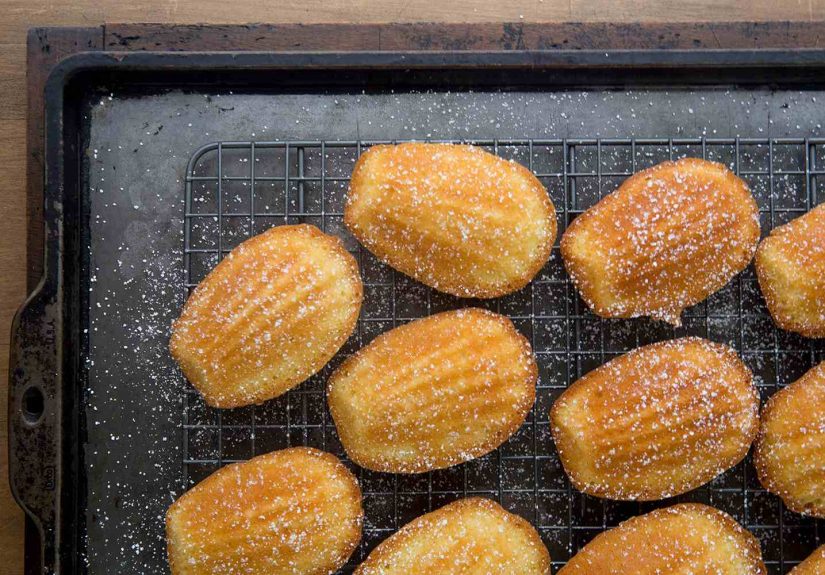
Classic French madeleines are small sponge cakes baked in a special pan with shell-shaped cavities. The texture is light and tender, somewhere between a genoise and a butter cake, with crisp edges and a soft, buttery center. Many recipes add lemon zest, vanilla, or almond for flavor, and the tops often get a gentle dusting of powdered sugar or a quick dip in chocolate.
The key characteristics you’re aiming for in a gluten-free version are:
- A moist, fine crumb that doesn’t crumble apart
- A gently domed “hump” in the center
- Golden edges and a lightly browned underside
- Delicate flavor with notes of butter, vanilla, and citrus
Gluten-Free Ingredients That Actually Work
Successful gluten-free madeleine cookies start with a good flour blend and enough structure to stand in for gluten. Many bakers get excellent results using a 1:1 gluten-free all-purpose blend that already includes xanthan gum, like King Arthur Measure for Measure or Bob’s Red Mill 1:1 Baking Flour, because these blends are designed to mimic wheat flour in cakes and cookies without extra tweaking.
Key Dry Ingredients
- Gluten-free all-purpose flour blend: Look for one labeled “for baking” or “1:1 replacement.” Many recipes pair this blend with a little almond flour for richer flavor and tender texture.
- Almond flour: Finely ground blanched almonds add moisture, flavor, and a slightly buttery nuttiness that works beautifully in madeleines.
- Baking powder: Helps create the characteristic hump and light crumb. Check that it’s labeled gluten free.
- Fine sea salt: Just a pinch sharpens all the sweet, buttery notes.
- Xanthan gum (if your blend doesn’t have it): Acts as a gluten-replacer, binding the batter and improving structure so the cookies don’t fall apart.
Key Wet Ingredients
- Unsalted butter: Classic madeleines rely on butter for flavor and richness. Browning the butter adds subtle nutty notes many gluten-free bakers love.
- Eggs: They provide structure, lift, and that soft sponge-like texture. Eggs are especially important in gluten-free baking because they help compensate for the missing gluten.
- Granulated sugar: Whipped with eggs to create volume and a light crumb.
- Vanilla extract and lemon zest: The classic flavor combo for French madeleinesbright, aromatic, and cozy at the same time.
- Milk or dairy-free milk: A splash loosens the batter and keeps the crumb tender; many gluten-free recipes successfully use almond milk or oat milk.
Gluten-Free French Madeleine Cookies Recipe
Ingredients (Makes About 18–24 Madeleines)
- 3/4 cup (90 g) gluten-free 1:1 all-purpose flour blend (with xanthan gum, if possible)
- 1/4 cup (24 g) finely ground almond flour
- 3/4 teaspoon gluten-free baking powder
- 1/4 teaspoon fine sea salt
- 2 large eggs, at room temperature
- 1/2 cup (100 g) granulated sugar
- 1 teaspoon pure vanilla extract
- 1 teaspoon finely grated lemon zest (plus extra for garnish, optional)
- 8 tablespoons (113 g) unsalted butter, melted and slightly cooled (brown it if you like extra flavor)
- 2 tablespoons milk or unsweetened almond milk
- Powdered sugar, for dusting
- Softened butter and a little gluten-free flour or sugar, for greasing the pan
Equipment
- Madeleine pan (traditional metal pan works best for even browning)
- Mixing bowls
- Whisk or hand mixer
- Rubber spatula
- Plastic wrap
Step-by-Step Instructions
1. Prep the Pan and Brown the Butter
Lightly brush your madeleine pan with softened butter, getting into every ridge, then dust with a little gluten-free flour or sugar and tap out the excess. This helps the cookies release cleanly and keeps the edges crisp.
If you’re going for brown butter (highly recommended), melt the butter in a small saucepan over medium heat, swirling occasionally, until it turns golden and smells nutty. Remove from heat and let it cool to just warmnot piping hotbefore you add it to the batter so it doesn’t scramble the eggs.
2. Whisk the Dry Ingredients
In a medium bowl, whisk together the gluten-free flour blend, almond flour, baking powder, and salt. This step breaks up any lumps and ensures an even rise.
3. Whip the Eggs and Sugar
In a larger bowl, beat the eggs and granulated sugar for 3–5 minutes, until the mixture is pale, thick, and falls in ribbons when you lift the whisk. This aeration is crucial; it’s one of the reasons madeleines are so light without requiring a ton of leavening.
Beat in the vanilla extract and lemon zest until just combined.
4. Fold in the Dry Ingredients
Sprinkle the dry ingredients over the egg mixture in two additions. Use a rubber spatula to gently fold the mixture together, working from the bottom of the bowl up the sides, trying not to deflate the eggs. A few tiny streaks of flour are okay at this stage.
5. Add the Butter and Milk
Whisk the cooled melted butter with the milk. Drizzle this mixture around the edges of the batter (not in one heavy spot), then gently fold until everything is smooth and glossy. The batter will be thick but scoopable.
6. Chill the Batter
Cover the bowl with plastic wrap and refrigerate for at least 45–60 minutes, or up to overnight. Chilling helps the batter firm up and contributes to that classic hump in the ovena trick used by many pro bakers for both traditional and gluten-free madeleines.
7. Bake to Golden Perfection
- Preheat your oven to 375°F (190°C).
- Spoon about 1 generous tablespoon of chilled batter into each prepared well of the madeleine pan. It doesn’t need to be spread to the edges; the heat will take care of that.
- Bake for 9–11 minutes, until the edges are golden brown, the centers are puffed with a little hump, and a toothpick inserted in the center comes out clean.
Let the cookies rest in the pan for 1–2 minutes, then gently loosen them with the tip of a knife and turn them out onto a cooling rack. Dust with powdered sugar while still slightly warm, if you like.
8. Serve and Store
Gluten-free madeleines are at their absolute best within a few hours of bakingsoft, delicate, and subtly crisp at the edges. Serve them with tea, coffee, hot chocolate, or as a fancy dessert with fresh berries.
To store, cool completely and keep them in an airtight container at room temperature for up to 2 days. For longer storage, freeze in a single layer, then move to a freezer bag. Thaw at room temperature and refresh in a low oven for a few minutes if desired.
Tips for the Best Gluten-Free Madeleines
Use the Right Flour Blend
A high-quality gluten-free flour mix formulated for baking makes a huge difference in texture. Blends that include rice flour, potato starch, and tapioca starch tend to produce the tender crumb you’re looking for in madeleines. Some store-bought gluten-free madeleines and mixes combine these flours with xanthan gum to mimic the structure of wheat.
Don’t Skip the Xanthan Gum (If Needed)
If your flour blend doesn’t contain xanthan gum, add about 1/4 teaspoon for this recipe. It helps bind the batter, reduce crumbling, and keep the cookies moist longerexactly what you want in delicate, shell-shaped tea cakes.
Chill for the Hump
That charming madeleine bump comes from a temperature contrast: cold batter hitting a hot pan and hot oven. Chilling the batter allows the outside to set while the center rises quickly, creating the traditional hump without any extra work.
Use a Metal Madeleine Pan
Thin metal pans conduct heat more evenly than silicone and help you get crisp edges and a uniform golden color. Many experienced bakers find that dark nonstick pans can brown the cookies too quickly, while light-colored or tin pans give better control.
Flavor Variations
- Chocolate-dipped: Dip the cooled cookies halfway in melted dark or milk chocolate and let them set on parchment.
- Citrus overload: Use a mix of lemon, orange, and lime zest and finish with a citrus glaze.
- Almond twist: Add 1/4 teaspoon almond extract and sprinkle sliced almonds on top of the batter before baking.
- Dairy-free: Swap butter for a plant-based butter stick and use almond or oat milkgluten-free madeleines can be both gluten-free and dairy-free with great results.
Common Gluten-Free Madeleine Questions
Why Do My Gluten-Free Madeleines Turn Out Dry?
Overbaking is the number one culprit. Because gluten-free flours lose moisture faster, even an extra minute or two in the oven can dry them out. Start checking early and pull them as soon as the tops spring back lightly to the touch.
Using too much flourespecially if you scoop directly from the bag instead of spooning and levelingcan also lead to dryness. Measure carefully, and don’t pack the flour into the cup.
How Do I Keep Them from Sticking?
Grease the pan thoroughly and dust with flour or sugar. You can also chill the pan for a few minutes after greasing so the butter firms up in the ridges. If a few cookies cling stubbornly, gently nudge them loose with a thin knife instead of prying aggressively.
Can I Make the Batter Ahead?
Yes! The batter actually benefits from a chill. You can refrigerate it overnight, tightly covered. If it’s very stiff the next day, give it a gentle stir and let it sit at room temperature for 10–15 minutes before scooping.
of Real-Life Gluten-Free Madeleine Experience
The first time I made gluten-free French madeleine cookies, I did everything “right” on paper and still ended up with what I can only describe as tiny golden hockey pucks. They looked gorgeousshell ridges, perfect hump, powdered sugar snowstormbut one bite told the real story: dry, dense, and just sad. If you’ve had a similar first attempt, you’re definitely not alone.
What changed my madeleine game wasn’t one big secret but a series of small tweaks. The first breakthrough came when I switched from a random gluten-free flour to a high-quality baking blend, then added a little almond flour. The almond flour brought moisture and flavor, and suddenly my madeleines tasted more like tiny butter cakes and less like gluten-free science experiments.
The second turning point was understanding how crucial the egg-and-sugar step really is. On those early attempts, I whisked the eggs and sugar just until combined. Now I treat it like a mini workout: I whisk until the mixture turns thick, pale, and falls in ribbons. That airy base carries the whole recipe, especially when there’s no gluten to help with structure.
Chilling the batter was another “oh, this actually matters” moment. Before, I’d mix, scoop, and bake immediately. The cookies came out okay, but they never developed a proud, bakery-style hump. Once I started chilling the batter, I noticed two big improvements: the hump appeared like magic, and the texture turned more consistentsoft center, crisp edges. It’s one of those steps that feels optional until you see the difference.
I’ve also learned that gluten-free madeleines are brutally honest about oven temperature. In my oven, 375°F is the sweet spot, but that number is more of a suggestion than a law. I keep an eye on the first batch and adjust as needed. If the edges brown too fast, I lower the temperature a bit. If the cookies look pale and sleepy, I bump it up for the next round. Every oven has its own personality, and gluten-free batters are more sensitive to those quirks.
Serving-wise, I’ve had the best luck treating madeleines like a “bake and share now” dessert rather than something to prep days in advance. Fresh out of the oven, they’re plush and fragrantperfect with coffee or tea. A day later, they’re still good but not quite the same, so I’ve adopted a strategy: bake a batch, serve a plate, and freeze the extras. That way, I can pull out a few whenever I need an elegant treat without committing to a full baking session.
One of my favorite experiences with gluten-free madeleines was at a small brunch where half the guests were gluten-free and the other half weren’t. I didn’t label the plate; I just set out the cookies and waited. People started nibbling and saying things like, “These taste just like the ones at that café downtown,” and, “Whoever made these is dangerous.” Only after everyone had gone back for seconds did I mention they were gluten-free. The reactions were pricelessmostly variations of “Wait, seriously?”
That’s the real power of a good gluten-free madeleine recipe: it doesn’t feel like a compromise. When the crumb is soft, the flavor is buttery and bright with lemon, and the texture holds together like a traditional sponge cake, nobody misses the gluten. Instead, they just see a platter of dainty French cookies that happen to be safe for more people at the table.
So if your first batch doesn’t come out perfect, stick with it. Adjust your flour blend, watch your bake time, and give the batter a proper chill. Once you dial in your oven and ingredients, gluten-free French madeleines become one of those “secret weapon” recipesimpressive enough for holidays, simple enough for a Sunday afternoon, and welcoming to anyone who needs to avoid gluten without feeling left out of the treat lineup.
Conclusion
Gluten-free French madeleine cookies are absolutely achievableand delightfulwhen you lean on the right flour blend, respect the egg-and-sugar whip, and let the batter chill before baking. With a few thoughtful tweaks, you can serve elegant little tea cakes that rival the classic version in texture and flavor while staying friendly to gluten-free guests. Dust them with powdered sugar, pair them with your favorite hot drink, and enjoy the fact that your kitchen now doubles as a tiny Parisian patisserie.