Table of Contents >> Show >> Hide
- What Is Gout in the Knee?
- Symptoms of Gout in the Knee
- How Is Knee Gout Different From Other Knee Problems?
- What Triggers Gout in the Knee?
- Home Remedies for Gout in the Knee
- Medical Treatment: What Often Works Better Than Toughing It Out
- How Doctors Diagnose Gout in the Knee
- Complications of Gout in the Knee
- When to Call a Doctor Right Away
- How to Help Prevent Future Knee Gout Flares
- What the Experience of Knee Gout Is Often Like
- Conclusion
When most people hear the word gout, they picture a big toe throwing a dramatic midnight tantrum. Fair enough. That toe gets most of the press. But gout in the knee is very real, very painful, and very good at ruining your plans, your sleep, and your relationship with stairs.
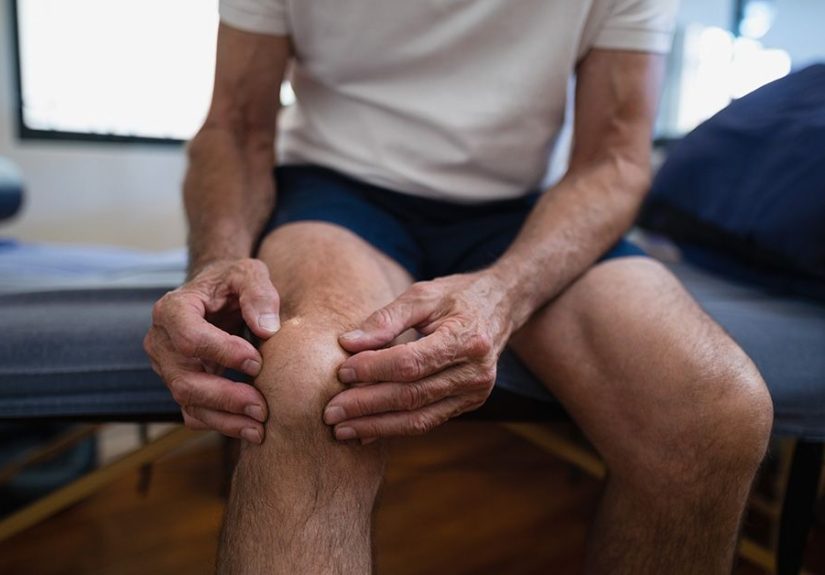
If your knee suddenly feels hot, swollen, stiff, and wildly offended by the existence of movement, gout may be on the suspect list. The condition happens when uric acid forms sharp crystals in a joint, triggering a powerful inflammatory reaction. In plain English: tiny crystals move in, your immune system loses its cool, and your knee becomes the world’s angriest hinge.
This guide breaks down gout knee symptoms, the most common triggers, helpful home remedies, and the complications that can show up when gout is ignored for too long. It also explains when knee pain might be more than gout and why getting the right diagnosis matters.
What Is Gout in the Knee?
Gout is a form of inflammatory arthritis caused by a buildup of urate crystals in and around a joint. While the big toe is famous for starring in gout attacks, the knee is also a common target. When the knee is involved, the flare can be especially disruptive because this joint handles basic life tasks like standing, walking, sitting down, and pretending you meant to squat that way.
Gout in the knee can strike suddenly. One minute you are fine. The next, your knee looks puffed up, feels warm, and objects strongly to being bent, straightened, touched, or generally noticed.
Symptoms of Gout in the Knee
The symptoms of knee gout often come on fast and can feel surprisingly intense. Common signs include:
- Severe knee pain that may start suddenly, often at night or early morning
- Swelling that makes the knee look visibly enlarged or tight
- Warmth and redness over the joint
- Extreme tenderness, sometimes so bad that even light touch feels rude
- Stiffness and reduced range of motion
- Difficulty walking or bearing weight
- Occasional fever or a generally lousy feeling during a bad flare
A typical flare may peak within the first day and can last several days to two weeks. Some people have long quiet gaps between attacks. Others get repeat episodes that show up more often over time.
What Gout in the Knee Can Feel Like
People often describe it as a combination of pressure, throbbing, burning, and sharp pain. The knee may feel tight, as if it is overinflated. Bending down to tie a shoe can suddenly seem like an Olympic event. Going downstairs may feel worse than going up. And if the bedsheet brushing your knee makes you want to file a complaint with the universe, that dramatic tenderness fits the gout pattern.
How Is Knee Gout Different From Other Knee Problems?
Here is where things get tricky. Not every swollen, painful knee is gout. Knee gout can mimic:
- osteoarthritis
- bursitis
- a meniscus injury
- pseudogout
- joint infection, which is the one nobody should casually guess about
If a knee suddenly becomes red, swollen, very painful, and you also have a fever, chills, feel ill, or cannot bear weight, get medical help quickly. Septic arthritis can look similar at first and needs urgent care. This is not the time for a home experiment involving herbal tea and positive thinking.
What Triggers Gout in the Knee?
Gout flares do not always appear out of nowhere. Often, there is a trigger nudging the body in the wrong direction. Common gout triggers include:
1. High-Purine Foods
Foods rich in purines can raise uric acid levels. Common troublemakers include organ meats, red meat, meat gravies, anchovies, sardines, shellfish, and some game meats. This does not mean one burger equals instant doom, but repeated high-purine eating can help stack the deck.
2. Alcohol
Beer gets extra side-eye here, but liquor can also be a problem. Alcohol can increase uric acid production and reduce the body’s ability to clear it efficiently.
3. Sugary Drinks
Sodas and other sugar-sweetened beverages, especially those high in fructose, are commonly linked to gout risk and flares.
4. Dehydration
Not drinking enough fluids can make it easier for uric acid to concentrate. Translation: your body likes water, and gout does not mind when you forget that.
5. Certain Medications
Some medicines, especially certain diuretics or “water pills,” can raise uric acid levels. If you have gout and take prescription medications, do not stop them on your own, but do ask your clinician whether any could be contributing.
6. Illness, Stress, or Physical Trauma
An infection, surgery, sudden illness, or even joint trauma can set off a flare. In some people, an injured joint becomes the stage where previously silent urate crystals decide to perform.
7. Weight Gain and Metabolic Conditions
Obesity, high blood pressure, kidney disease, diabetes, and high cholesterol often travel in the same neighborhood as gout. Managing the bigger health picture can help reduce future flares.
Home Remedies for Gout in the Knee
Let’s be honest: home remedies for gout in the knee are about relief and support, not magic. They can help calm a flare, but they do not replace proper diagnosis or long-term treatment when gout keeps coming back.
Rest the Joint
If your knee is flaring, do not try to “walk it off.” That usually turns into “hobble it worse.” Resting the joint can help reduce irritation during the most painful stage.
Use Ice
A cold pack wrapped in a towel may help ease pain and swelling. Short sessions work best. Do not put ice directly on your skin unless you enjoy avoidable mistakes.
Elevate the Leg
Keeping your leg elevated may help with swelling and pressure. Pillows are not glamorous, but they are loyal.
Hydrate Well
Drink plenty of nonalcoholic fluids, especially water, unless a clinician has told you to limit fluids for another medical reason. Hydration supports uric acid clearance and may help lower the chance of kidney stone formation.
Avoid Alcohol During a Flare
Even if the flare has already started, skipping alcohol is smart. Beer, in particular, is not your knee’s friend.
Review Your Menu
During and between flares, it helps to cut back on purine-heavy foods, sugary beverages, and large amounts of ultra-processed food. Many people do better with a more Mediterranean-style eating pattern that emphasizes vegetables, fruit, whole grains, beans, nuts, and healthier fats.
Try Low-Fat Dairy and Balanced Meals
Low-fat dairy may be helpful for some people with gout. Balanced meals and steady hydration beat crash diets and feast-or-famine eating.
Ask Before Using OTC Medicines
Over-the-counter NSAIDs such as ibuprofen or naproxen may help some people, but they are not safe for everyone, especially if you have kidney disease, ulcers, certain heart conditions, or take blood thinners. Aspirin is generally not the go-to choice for a gout flare.
Important: home care is reasonable for a familiar, mild flare if you already know you have gout and your clinician has given you a treatment plan. But a first episode of hot, swollen knee pain deserves medical evaluation.
Medical Treatment: What Often Works Better Than Toughing It Out
Acute gout is usually treated with anti-inflammatory medication. Common options include:
- NSAIDs
- Colchicine
- Corticosteroids by mouth or injection
If only one joint is involved, such as the knee, a corticosteroid injection may sometimes be an option. The best treatment depends on your overall health, kidney function, stomach history, heart risks, and any other medications you take.
For people with recurrent gout, treatment often shifts from “put out the fire” to “stop storing matches.” That means urate-lowering therapy, often with allopurinol. Current rheumatology guidance emphasizes a treat-to-target approach, aiming for a serum urate level of 6 mg/dL or lower to help dissolve or prevent crystals over time.
How Doctors Diagnose Gout in the Knee
Diagnosis may include a physical exam, medical history, blood tests, and imaging. But the most definitive test is often joint fluid analysis. In that test, a clinician removes fluid from the swollen knee and checks it for urate crystals.
This matters because blood uric acid levels can be misleading during a flare. Some people with high uric acid never develop gout, and some people with an active flare do not have a dramatic blood level at that exact moment. In other words, uric acid numbers are useful, but they are not the whole plot.
Complications of Gout in the Knee
Untreated or poorly controlled gout can become more than an occasional painful episode. Possible complications of gout in the knee include:
Chronic Joint Damage
Repeated inflammation can damage cartilage and other joint structures. Over time, the knee may become more stiff, painful, and less functional.
More Frequent and Longer Flares
Gout does not always stay occasional. In some people, flares begin to happen more often and last longer.
Tophi
Tophi are lumps made of urate deposits that can form in soft tissues. They are more common in long-standing gout and can damage nearby tissues.
Kidney Stones
High uric acid can also contribute to uric acid kidney stones. So yes, gout may try to bother both your knee and your urinary tract, because apparently one problem was not enough.
Reduced Mobility and Lower Quality of Life
Knee gout can interfere with work, sleep, exercise, and daily independence. Even between attacks, many people start moving differently out of fear of another flare.
When to Call a Doctor Right Away
Seek prompt medical care if:
- this is your first episode of a swollen, painful knee
- you have fever, chills, or feel very sick
- the knee is so painful you cannot bear weight
- you had a recent injury and the knee is rapidly swelling
- home care is not helping
- flares keep returning
- you have kidney disease, heart disease, stomach ulcers, or take medications that complicate treatment
How to Help Prevent Future Knee Gout Flares
- Take prescribed urate-lowering medication consistently if your clinician recommends it
- Stay well hydrated
- Limit beer, liquor, and sugary drinks
- Cut back on high-purine foods
- Maintain a healthy weight
- Review medications with your clinician if you have frequent flares
- Do not stop allopurinol or similar medication during a flare unless your clinician specifically tells you to
What the Experience of Knee Gout Is Often Like
People living with gout in the knee often describe the experience as confusing before it becomes obvious. At first, it may seem like a simple strain, an old sports injury acting up, or a random ache after a busy day. Then the pain escalates quickly. A person may go to bed feeling mostly normal and wake up with a knee that feels hot, tight, swollen, and almost insultingly tender. Walking to the bathroom becomes a strategy session. Sitting down is an operation. Standing back up is its own sequel.
One of the most common experiences is disbelief at how fast the flare arrives. Knee gout does not always warm up gradually like typical overuse soreness. It can go from “that feels odd” to “why is my leg auditioning for a disaster movie?” in hours. Many people notice they start guarding the leg without thinking, leaning heavily on the other side, taking stairs one at a time, or using furniture as an unofficial support system.
Another common experience is frustration over misreading the trigger. Someone may connect the flare to a big restaurant meal, a weekend of beer, dehydration after travel, a recent illness, or a period of stress. Others cannot spot a clear cause at all, which can be maddening. Gout loves patterns, but it does not always send a calendar invite.
There is also the emotional side. Recurrent knee flares can make people nervous about making plans. A long walk, a family event, a flight, or even a normal grocery trip can feel uncertain when you know your knee can turn on you with very little notice. Some people become reluctant to exercise because they fear joint pain, which then makes weight control and overall health harder. It is a sneaky cycle.
For many, the turning point comes when they stop treating gout as a one-off annoyance and start treating it as a condition that needs a real management plan. That usually means learning personal triggers, improving hydration, cleaning up the diet without becoming extreme, and following a clinician’s advice about flare treatment and urate-lowering medication. Once the disease is controlled, people often say life feels less unpredictable. They trust their joints more. They sleep better. They stop negotiating with staircases. In short, the experience improves not because gout becomes charming, but because it becomes manageable.
Conclusion
Gout in the knee can be intensely painful, but it is also highly treatable when recognized early. The big clues are sudden pain, swelling, warmth, redness, and tenderness in the knee, especially when flares come and go. Helpful home remedies include rest, ice, elevation, hydration, and avoiding alcohol and trigger foods, but repeat attacks usually need a bigger plan. If your knee is hot, swollen, and you are not sure it is gout, do not guess. Get it checked. A proper diagnosis can spare you unnecessary pain and help protect your joint for the long haul.