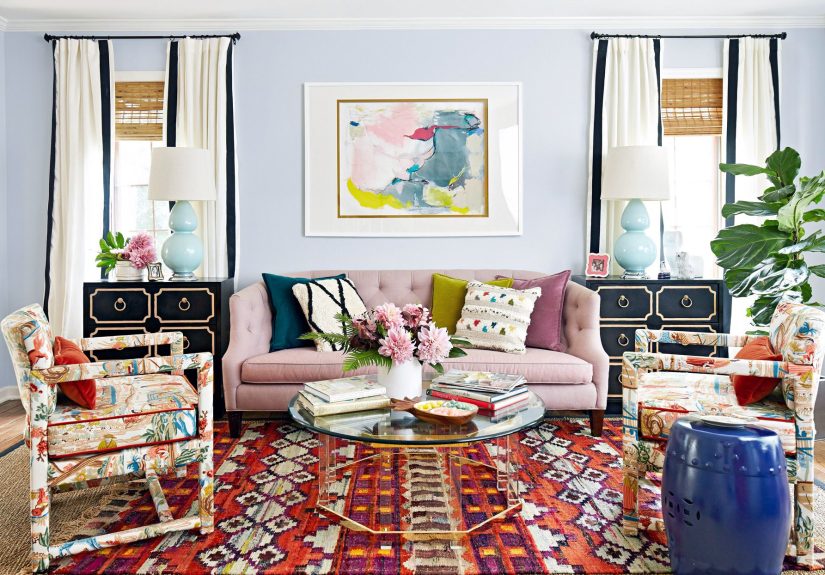
Table of Contents >> Show >> Hide
- A quick “best upholstery fabric” checklist
- Step 1: Start with your lifestyle reality check
- Step 2: Learn to read a fabric “spec sheet” (without getting a headache)
- Step 3: Choose the right fiber (natural, synthetic, or blends)
- Step 4: Pick a weave and texture that matches your tolerance for “fabric drama”
- Step 5: Decide whether you need “performance fabric” and what that really means
- Step 6: Color and patternchoose what still looks good on a random Tuesday
- Step 7: Room-by-room “best upholstery fabric” recommendations
- Step 8: Swatches, testing, and the “don’t skip this” phase
- Step 9: Common mistakes (so you don’t reupholster twice)
- Final thoughts: pick the fabric that fits your life, not just your mood board
- Real-world experiences: what people learn after they actually live with upholstery
- 1) The prettiest fabric isn’t always the happiest fabric
- 2) Cleaning codes become a personality test
- 3) Sunlight is sneakier than spills
- 4) Pets change the rulesespecially texture choices
- 5) Performance fabric can feel like a cheat codebut it’s not magic
- 6) The “sit test” matters more than the internet thinks
Buying upholstery fabric feels like a harmless hobby until you realize you’ve brought home 27 swatches,
and your coffee table now looks like a tiny quilt museum. The good news: choosing the best upholstery
fabric for furniture isn’t about being “a fabric person.” It’s about matching real-life use (kids,
pets, sunlight, snacks, naps, and the occasional “who spilled grape juice?” mystery) with the right
fiber, weave, durability rating, and cleaning method.
This guide breaks down what actually mattersso you can pick a fabric that looks great on day one
and still looks great after day 1,001.
A quick “best upholstery fabric” checklist
- Where will it live? Formal living room, family room, dining chairs, or a sun-soaked spot?
- Who will use it? Adults only, kids, pets, or a full household circus?
- How much cleaning will happen? Spot cleaning, removable covers, or “call a pro and cry”?
- What’s your durability target? Abrasion rating (double rubs / rub count) that fits your traffic level.
- What’s your feel goal? Crisp linen look, cozy chenille, sleek leather, or soft performance weave?
- What’s your light situation? Direct sun can fade dyes fastplan for it.
Step 1: Start with your lifestyle reality check
Upholstery fabric isn’t chosen in a vacuum (unless you’re shopping from your couchwhich, honestly,
is on-brand). Before you fall in love with a color, run through these reality checks:
Traffic level
A sofa in the family room needs a different fabric than an accent chair that only gets used when
your in-laws visit. High-traffic furniture benefits from tougher fibers, tighter weaves, and stronger
abrasion ratings.
Kids and pets
If your household includes sticky fingers, claws, or a dog who believes the couch is a personal racetrack,
prioritize:
- Performance fabrics or tightly woven synthetics/blends
- Mid-to-dark colors, heathers, or patterns that camouflage everyday life
- Cleaning codes that let you safely remove stains without panic
Sunlight
Bright rooms are beautifulright up until your gorgeous fabric starts fading like an old concert tee.
If your furniture sits near windows, look for fabrics marketed for strong colorfastness or consider
solution-dyed options (often used in indoor/outdoor performance fabrics).
Comfort and temperature
Some fabrics feel cool and crisp (linen, cotton), while others feel warm and cozy (velvet, chenille,
wool blends). If you live somewhere humid, ultra-plush textures can feel heavy; if you live somewhere
cold, crisp fabrics may feel less inviting.
Step 2: Learn to read a fabric “spec sheet” (without getting a headache)
The fastest way to choose the right upholstery fabric is to understand a few key specs that often show up
on tags, swatch cards, or online listings.
Abrasion rating: double rubs, rub count, and what they actually tell you
Abrasion tests estimate how well a fabric holds up to friction (aka sitting, scooting, and living).
In the U.S., you’ll often see Wyzenbeek results reported as double rubs.
In other markets, you may see Martindale rub counts. These tests are usefulbut they’re
not the whole durability story.
- Low-traffic pieces: around 15,000 double rubs can be fine for occasional use.
- Everyday home use: 30,000+ double rubs is a common “family-friendly” target.
- Heavy use / very busy households: 50,000+ can add confidence, especially with a tight weave.
Important nuance: abrasion tests measure abrasion resistance, not every possible form of wear.
Fiber quality, weave structure, finishing, and maintenance matter tooso treat the number as a
helpful guide, not a magical shield.
Cleaning code: the tiny letter that decides your future
Cleaning codes tell you what type of cleaner is considered safe for that fabric:
- W: Water-based cleaners.
- S: Solvent-based cleaners (dry-cleaning style).
- WS (or W/S): Water-based or solvent-based cleaners.
- X: Vacuum/brush onlyno water, no solvent.
If you want low-stress living, prioritize W or WS whenever possible. “X” can be fine for decorative pieces,
but it’s a bold choice for a sofa that sees snacks.
Fiber content
Fiber content tells you what the fabric is made of (cotton, linen, polyester, acrylic, leather, etc.) and
strongly influences feel, durability, and cleaning.
Weave and construction
Two fabrics can share the same fiber content and perform very differently based on weave. Generally,
tighter weaves handle wear better and snag less easily than loose, lofty textures.
Fire and safety requirements
Upholstered furniture sold in the U.S. may reference flammability standards (for example, California’s TB117-2013
smolder-resistance approach). If you’re reupholstering, it’s smart to ask your upholsterer what standards or
labeling are relevant for your situationespecially for commercial spaces.
Step 3: Choose the right fiber (natural, synthetic, or blends)
Natural fibers: beautiful, breathable, and sometimes high-maintenance
- Cotton: Soft and classic. Can stain more easily unless treated; better for lower-to-medium traffic or blends.
- Linen: Airy and textured with an upscale casual look. Wrinkles and can be less forgiving in heavy-use situations.
- Wool: Naturally resilient and cozy; can be durable and naturally soil-resistant, often used in blends for strength.
- Leather: Not a fabric, but a top-tier upholstery material for durability and wipeability. Can scratch (pets) and varies widely by quality.
Synthetic fibers: the workhorses of everyday upholstery
- Polyester: Durable, budget-friendly, often stain-resistant, and commonly blended with natural fibers.
- Acrylic: Often used in performance and indoor/outdoor fabrics; known for color retention and durability.
- Olefin (polypropylene): Tough and stain-resistant; commonly used in performance settings, including some indoor/outdoor textiles.
- Nylon: Frequently added to blends for extra strength and abrasion resistance.
Blends: where most “best upholstery fabrics” actually live
Blended fabrics are popular because they can combine comfort and looks with better durability.
Example: a cotton-poly blend can feel softer than a fully synthetic fabric while still handling everyday wear
more gracefully than pure cotton.
Step 4: Pick a weave and texture that matches your tolerance for “fabric drama”
Texture is where style and practicality collide. Here’s how common upholstery textures behave in real homes:
Velvet
Velvet can be surprisingly durable depending on construction, but it shows pressure marks and can attract pet hair
like it’s collecting souvenirs. If you love velvet, consider a performance velvet or a tight pile.
Chenille
Chenille is soft and cozy, but the fuzzy yarns can snag or crush in high-wear zones. Great for comfort-first rooms
if you choose a sturdy version and accept some patina.
Microfiber / tight performance weaves
These are popular for families because they’re often tightly constructed, easy to clean, and forgiving with stains.
Bonus: many resist pilling better than loosely woven fabrics.
Jacquards and patterns
Patterns can camouflage life beautifully, but note that large repeats increase yardage requirements and cost.
If you’re upholstering multiple pieces, confirm repeat size and whether the pattern is directional.
Napped and directional fabrics
Fabrics like velvet, corduroy, and some suedes have “nap” (a direction to the pile). Upholstery done with mixed nap
direction can look like mismatched dye even when it’s the same fabric. Always ask your upholsterer about nap direction.
Step 5: Decide whether you need “performance fabric” and what that really means
“Performance fabric” usually means the textile is engineered to resist stains, moisture, and/or weareither through
fiber choice, weave, or protective technologies. This can be a game-changer for busy households, but it’s still worth
understanding what you’re buying.
Indoor performance fabric (spill-friendly living)
Many performance fabrics are designed so spills stay on the surface longer, giving you time to blot before they soak in.
Some use built-in barriers; others rely on durable finishes. Either way, always follow the recommended cleaning method
so you don’t damage the protection.
Indoor/outdoor performance fabric (sun + life-proof)
If your sofa sits in strong sun or you’re upholstering a screened porch, indoor/outdoor performance fabrics can be
excellent. They’re often chosen for better fade resistance and resilience, and some are made with solution-dyed fibers
that hold color longer.
One more modern consideration: if chemical sensitivities or sustainability are a priority, ask retailers or manufacturers
about stain treatments and certifications. You can often find durable options without going all-in on heavy finishes.
Step 6: Color and patternchoose what still looks good on a random Tuesday
Design photos are taken in a world where nobody owns ketchup. In the real world, color and pattern do a lot of heavy lifting.
- Light solids: Beautiful, but every mark shows. Best for low-traffic rooms or washable covers.
- Mid-tone heathers: The MVP for hiding lint, crumbs, and everyday wear.
- Small patterns: Great camouflage; easier to live with than large, bold repeats.
- Dark solids: Hide some stains, but can show pet hair and dust depending on fiber and texture.
If your furniture sits in direct sun, consider tighter weaves, outdoor-grade options, or simply plan on rotating cushions
and using window treatments so your fabric doesn’t age unevenly.
Step 7: Room-by-room “best upholstery fabric” recommendations
| Furniture & Room | What to prioritize | Smart fabric choices |
|---|---|---|
| Family room sofa | High durability, easy cleaning, stain resistance | Performance weaves, polyester blends, indoor/outdoor acrylics, quality leather |
| Formal living room | Look and texture first, moderate durability | Linen blends, velvet (performance if possible), wool blends, jacquards |
| Dining chairs | Wipeability, stain resistance, abrasion | Performance fabrics, faux leather, leather, tight weaves with W/WS codes |
| Accent chair | Style, color, texture; medium durability | Patterned upholstery, bouclé (if low wear), textured weaves, velvet |
| Sunny nook / porch | Fade resistance, mildew resistance, easy cleaning | Indoor/outdoor performance fabrics (often acrylic/olefin-based) |
Step 8: Swatches, testing, and the “don’t skip this” phase
Swatches aren’t optional if you want the best upholstery fabric for furniture. Online photos lie (politely).
Use swatches to test:
- Color in your lighting: Morning sun, afternoon glare, nighttime lampscheck them all.
- Feel against skin: If it’s scratchy as a swatch, it won’t magically become cozy as a sofa.
- Lint and hair: Rub the swatch with a towel or sweater. If it grabs everything now, it will later too.
- Stain behavior: If the seller allows it, test a drop of water on the swatch and blot (never rub) to see how it reacts.
Step 9: Common mistakes (so you don’t reupholster twice)
- Choosing drapery fabric for seating: It may look similar but often isn’t built for abrasion.
- Ignoring the cleaning code: A gorgeous fabric that can’t be cleaned is basically a decorative stressor.
- Over-trusting a single number: Abrasion rating matters, but weave, fiber, and finish matter too.
- Falling for “white sofa fantasy” without a plan: If you do it, commit to washable covers or performance materials.
- Not accounting for pets: Loose weaves + claws = sadness. Choose tight weaves or forgiving materials.
Final thoughts: pick the fabric that fits your life, not just your mood board
The best upholstery fabric is the one that matches your household, your cleaning style, your sunlight, and your comfort
preferenceswithout forcing you to live like a museum guard. If you want low-maintenance living, prioritize cleaning codes
you can handle, durability that matches your traffic level, and fibers/weaves that forgive the occasional mess.
And if you’re still torn? Pick three finalists, order bigger swatches if possible, and live with them for a few days.
Your future self (and your couch) will thank you.
Real-world experiences: what people learn after they actually live with upholstery
Fabric advice hits differently once real life moves in. Across homeowners, decorators, and upholsterers, a few “I wish I’d known”
lessons show up again and againusually right after someone buys a gorgeous fabric and then immediately drops salsa on it.
1) The prettiest fabric isn’t always the happiest fabric
Many people fall for a delicate, airy weave because it looks high-end in a showroom. Then they bring it home, and it starts
looking “lived-in” faster than expected. The common takeaway: in high-traffic rooms, a tight weave often looks newer longereven
if it feels less dramatic at first. Subtle texture and heathered color can deliver that designer vibe while hiding wear better than
a flat, solid fabric.
2) Cleaning codes become a personality test
Households that spot-clean often (kids, pets, frequent hosting) tend to love W or WS-coded fabrics because they can respond quickly
without complicated steps. Meanwhile, people who choose an S-only fabric sometimes do greatif they’re comfortable using
solvent-based upholstery cleaners or calling a professional. The “X” code is the one people regret most when they discover it means
“vacuum only,” especially if the fabric is on a sofa that sees snacks, makeup, or muddy paws.
3) Sunlight is sneakier than spills
Spills are obvious. Sun damage is slow and quietuntil you rotate the cushions and realize the back looks like a different color.
People with bright rooms often end up loving indoor/outdoor-style performance fabrics (or at least more fade-resistant options),
because the fabric stays truer over time. Another common habit: rotating cushions regularly and adding window treatments to reduce
direct UV exposure. It’s not about living in the dark; it’s about keeping your color consistent.
4) Pets change the rulesespecially texture choices
Pet owners frequently report that snag-prone textures (loose weaves, chunky bouclé, some chenilles) can become frustrating if claws
catch easily. Tighter weaves, microfiber-style constructions, and some leathers tend to be more forgiving. Even then, people often say
the biggest win is choosing a fabric that’s easy to clean and doesn’t show every hair. The “perfect” pet-friendly fabric usually isn’t
the fanciestit’s the one that reduces daily maintenance.
5) Performance fabric can feel like a cheat codebut it’s not magic
Many households love performance fabric because it buys time: spills bead up longer, blotting works better, and stains are less likely
to become permanent. But the best experiences come from people who follow care instructions and avoid harsh cleaning methods that can
damage protective finishes. In other words: performance fabric helps you recover from accidents; it doesn’t eliminate physics.
6) The “sit test” matters more than the internet thinks
A surprising number of people discover that a fabric that looks perfect online feels off in persontoo scratchy, too slippery, too hot,
or just not cozy. People who are happiest long-term almost always did the swatch test, checked the fabric in their actual lighting, and
rubbed it against everyday clothes (like denim) to see how it behaved. Comfort is real. If a fabric doesn’t feel good on day one, it
won’t feel better after a year of wear.
The thread through all these experiences is simple: the best upholstery fabric is the one that fits how you live. When durability, cleaning,
and sunlight needs are matched from the start, you get furniture that looks intentionaland stays that waywithout requiring constant vigilance.