Table of Contents >> Show >> Hide
- First Things First: An Abnormal Pap Smear Does Not Automatically Mean Cancer
- What an Abnormal Pap Smear Actually Means
- What Usually Happens Next
- What to Expect During a Colposcopy Appointment
- What Biopsy Results May Show
- If Treatment Is Needed
- Will This Affect Fertility or Pregnancy?
- How Long Does the Whole Process Take?
- Red Flags After a Biopsy or Procedure
- The Emotional Side of an Abnormal Pap Smear
- Real-Life Experiences After an Abnormal Pap Smear
- Conclusion
Note: This article is for informational purposes only and is not a substitute for personalized medical advice, diagnosis, or treatment from a licensed healthcare professional.
Getting a call about an abnormal Pap smear can feel like someone just dropped a piano on your Tuesday. One minute you are checking messages and wondering what to make for dinner, and the next you are mentally writing your memoir. Take a breath. An abnormal Pap smear is common, and in most cases it does not mean you have cervical cancer. It means your cervical cells looked different than expected, and your clinician needs a closer look at what is going on.
That “closer look” can mean several different things. Sometimes it is as simple as repeating the test later. Sometimes it means adding HPV testing. Other times, your provider may recommend a colposcopy, a biopsy, or treatment for abnormal cells. The next step depends on your exact result, your age, whether high-risk HPV was found, your past screening history, whether you are pregnant, and whether you have any factors that increase your risk.
This guide walks you through what happens after abnormal Pap smear results, what the terminology actually means, how follow-up testing works, and what recovery may look like if you need a procedure. In other words, this is the calm, practical conversation many people wish they had right after seeing the words “abnormal result.”
First Things First: An Abnormal Pap Smear Does Not Automatically Mean Cancer
A Pap test is a screening test, not a final diagnosis. Its job is to look for cell changes on the cervix that could become cancer over time if they are not monitored or treated. It does not prove that cancer is present. In fact, many abnormal Pap results are linked to temporary HPV infections or mild cell changes that may go away on their own.
That is why follow-up matters so much. The goal is not to frighten you. The goal is to sort out whether the abnormal cells are minor, whether they need watching, or whether they are serious enough to treat now. Think of the Pap test as a smoke detector. It tells you to investigate, not that the whole kitchen is on fire.
What an Abnormal Pap Smear Actually Means
When a Pap smear is abnormal, the lab has seen cervical cells that do not look completely normal under the microscope. These changes can happen for a range of reasons, but the most common one is human papillomavirus, or HPV. High-risk HPV types are the ones most associated with cervical precancer and cervical cancer.
Sometimes the result is mildly abnormal. Sometimes it points to more significant changes. Sometimes the sample is simply not clear enough to read. The wording on the report matters, which is why the letters on the lab result can feel like alphabet soup with a side of panic.
Common Pap Smear Terms You May See
ASC-US: This stands for atypical squamous cells of undetermined significance. Translation: some cells look a little unusual, but the lab cannot tell whether the cause is HPV, irritation, hormones, or something else. This is one of the most common abnormal Pap results.
LSIL: Low-grade squamous intraepithelial lesion. This usually suggests mild changes, often related to HPV infection. These changes may clear without treatment, especially in younger patients.
ASC-H: Atypical squamous cells, cannot exclude HSIL. This means the cells look abnormal enough that a higher-grade lesion cannot be ruled out. It usually leads to closer evaluation.
HSIL: High-grade squamous intraepithelial lesion. This points to more serious cell changes that are more likely to need treatment to prevent cancer from developing later.
AGC: Atypical glandular cells. These abnormal cells come from glandular tissue and often require more careful evaluation because they can signal a more significant issue.
Unsatisfactory result: This means the lab did not get enough cells, or blood or mucus obscured the sample. It is annoying, yes, but it does not mean something is wrong. It usually means the test needs to be repeated.
What Usually Happens Next
If you are wondering what to expect after an abnormal Pap smear, the honest answer is: it depends on your risk profile. Current management is risk-based, which means your provider uses your current results plus your history to decide what comes next. Two people can both have “abnormal” results and still get different follow-up plans.
1. Repeat Pap Test or Repeat HPV Testing
If the changes are minor, your clinician may recommend repeating the Pap test, HPV test, or both after a period of time. This is common when the abnormality is low-risk, especially if your history has been reassuring. It can feel strange to “wait and see,” but this is often the safest and smartest path because many mild changes resolve naturally.
2. HPV Testing or HPV Genotyping
If you had a Pap test without an HPV test, your provider may add one. If high-risk HPV is present, especially types 16 or 18, that can change the next step. A positive HPV result does not mean you have cancer. It means the virus linked to cervical cancer risk was found, and your provider may want closer follow-up.
3. Colposcopy
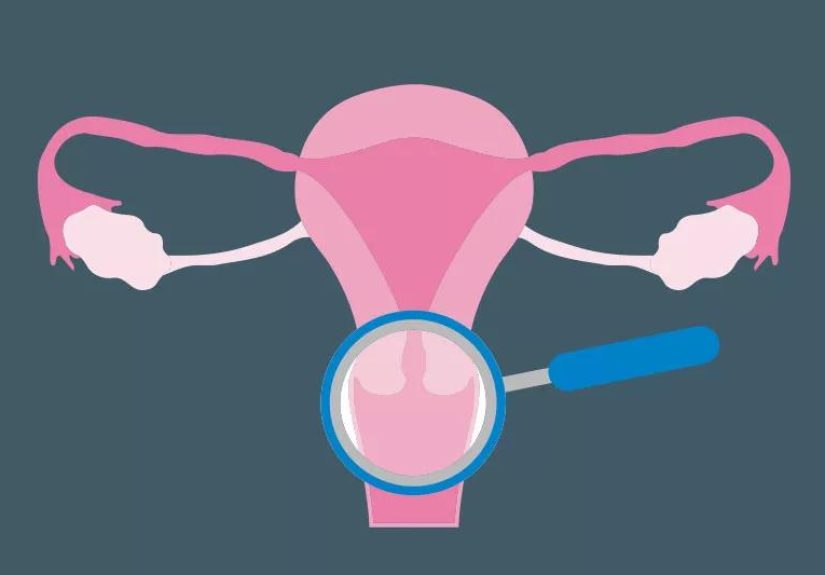
A colposcopy is one of the most common next steps after an abnormal Pap smear. During this office procedure, your clinician uses a lighted magnifying instrument to examine your cervix more closely. The colposcope stays outside your body. A speculum is placed in the vagina, much like during a Pap test, and a vinegar-like solution or iodine may be applied to highlight abnormal areas.
A colposcopy itself usually takes around 10 to 20 minutes. It can feel uncomfortable, but most people tolerate it well. If the clinician sees an area of concern, they may take a biopsy.
4. Cervical Biopsy
A cervical biopsy removes a small sample of tissue so it can be examined under a microscope. This is the step that helps confirm whether the abnormal cells are mild, moderate, severe, or not concerning. Some clinicians may also perform an endocervical curettage, sometimes called ECC, to sample cells from the canal of the cervix if that area cannot be fully seen.
If you have a biopsy, expect a quick pinch, cramp, or sharp pressure. Not delightful, but usually brief. Many people compare it to a strong menstrual cramp that arrives uninvited, makes a scene, and then leaves.
What to Expect During a Colposcopy Appointment
The visit is usually done in a gynecology office. You will lie on an exam table with your feet in stirrups, just as you would for a pelvic exam. A speculum will be inserted so the cervix can be seen. Then your provider will look through the colposcope and apply a solution to make abnormal tissue easier to spot.
If no biopsy is needed, the visit may be over quickly. If a biopsy is taken, you may have some cramping, spotting, or a dark discharge afterward. Some people return to normal activities the same day. Others prefer to spend the afternoon wearing stretchy pants and giving themselves emotional credit for being very brave.
Before the Appointment
Your clinician may ask you to avoid vaginal sex, tampons, vaginal medications, or creams for a day or two before the procedure. Many offices also prefer that you schedule the test when you are not on your period, if possible. If you are pregnant or think you might be, tell your provider before the appointment.
After the Appointment
If you had a biopsy, you may be told to avoid vaginal sex, tampons, or anything inserted into the vagina for several days, or longer depending on the procedure. Use pads if you have spotting. Mild cramping and light bleeding can be normal. Heavy bleeding, fever, severe pain, or foul-smelling discharge are not “just part of it” and should prompt a call to your clinician.
What Biopsy Results May Show
Biopsy results often describe cervical intraepithelial neoplasia, or CIN. This is a grading system for precancerous changes.
CIN 1: Mild dysplasia. These are low-grade changes, and in many cases they can be monitored rather than treated right away.
CIN 2: Moderate dysplasia. This is a higher-grade change and may require treatment depending on your age, plans for pregnancy, and other risk factors.
CIN 3: Severe dysplasia or carcinoma in situ. These are high-grade changes that usually need treatment because they are more likely to progress if left alone.
Sometimes the biopsy shows no precancer at all. Sometimes it shows inflammation, HPV-related changes, or a result that leads to close surveillance rather than immediate treatment. This is why follow-up testing is so important: the biopsy gives a more precise answer than the Pap test alone.
If Treatment Is Needed
Not everyone with an abnormal Pap smear needs treatment. When treatment is recommended, the goal is to remove or destroy abnormal cells before they can develop into cancer. Preventive treatment may sound intimidating, but it is often very effective.
Watchful Waiting
For low-grade changes, especially in younger patients, a provider may recommend repeat testing instead of immediate treatment. This is not a brush-off. It is a common evidence-based approach when the odds are good that the changes will clear naturally.
LEEP
One of the best-known treatments is LEEP, short for loop electrosurgical excision procedure. During LEEP, a clinician uses a thin heated wire loop to remove abnormal cervical tissue. It is often done in a clinic with local anesthesia. The procedure itself is usually short, often around 10 to 15 minutes.
After LEEP, you may have cramping, spotting, or period-like bleeding. Many people return to work within a day or two. You may need to avoid sex, tampons, and strenuous activity for a period of healing time, often several weeks, depending on your provider’s instructions.
Cone Biopsy or Other Procedures
In some situations, a cone biopsy may be recommended. This removes a cone-shaped piece of tissue from the cervix and may be done in an operating room setting. Other approaches may include ablative or excisional treatments depending on the location and severity of the abnormal cells.
Will This Affect Fertility or Pregnancy?
This is one of the first questions many patients ask, and understandably so. A Pap test, colposcopy, and routine cervical biopsy generally do not make it harder to become pregnant. Colposcopy is usually considered safe during pregnancy, though biopsy decisions may be adjusted depending on the situation.
LEEP is not likely to cause infertility, but some treatments can slightly affect future pregnancy risks, such as preterm birth or pregnancy loss in some cases. That does not mean you should avoid needed treatment. It means you should tell your provider if future fertility matters to you so the plan can be tailored carefully.
How Long Does the Whole Process Take?
One of the hardest parts is the waiting. You may wait for the original Pap results, then wait for the colposcopy, then wait for biopsy results, then wait again for the next screening or treatment visit. In real life, this can feel less like a tidy medical timeline and more like a suspense series nobody asked to binge.
Some people move from abnormal Pap smear to colposcopy within a few weeks. Others repeat testing months later. If treatment is needed, follow-up after procedures such as LEEP may include Pap and HPV testing again at later intervals. People treated for high-grade cervical precancer often need long-term surveillance, not because treatment failed, but because careful follow-up helps prevent future problems.
Red Flags After a Biopsy or Procedure
Call your clinician promptly if you have any of the following after a biopsy, colposcopy with biopsy, or treatment:
- Bleeding heavier than spotting or bleeding that seems excessive
- Severe pelvic or abdominal pain
- Fever or chills
- Bad-smelling vaginal discharge
- Symptoms that are worsening instead of improving
Light spotting, dark discharge, and mild cramping can be expected after some procedures. The key is knowing when “normal recovery” crosses into “please call the office now.”
The Emotional Side of an Abnormal Pap Smear
Even when the medical risk is low, the emotional impact can be high. People often feel embarrassed, frightened, guilty, confused, or angry. Some immediately assume the worst. Others freeze and avoid scheduling follow-up because they are too anxious to deal with it. Both reactions are human.
It helps to remember three things. First, abnormal Pap smear results are common. Second, HPV is extremely common and does not say anything about your character, cleanliness, or worth. Third, the whole point of screening is to catch changes early, before they become dangerous. An abnormal result is stressful, but it is also evidence that the screening system is doing its job.
Real-Life Experiences After an Abnormal Pap Smear
Many people describe the first few days after an abnormal Pap smear as the hardest part. Not because they are physically ill, but because their mind fills in the blanks faster than any pathology lab ever could. One woman may get the result through a patient portal at 11:47 p.m., then spend the next three hours searching abbreviations she has never seen before. Another may miss the call from her doctor, listen to the voicemail seven times, and decide that “please call us back” is obviously the soundtrack to doom. The truth is usually much less dramatic, but the emotional whiplash is real.
A common experience is feeling okay one minute and intensely anxious the next. Someone may tell a friend, “They said it was just a mild abnormality,” and still burst into tears in the grocery store cereal aisle because the word abnormal sticks like gum to the brain. Others feel oddly guilty when HPV enters the conversation, even though HPV is incredibly common and often behaves like an uninvited guest that most bodies eventually kick out on their own.
Then comes the waiting phase. Waiting for the follow-up appointment. Waiting in the exam room wearing a paper drape that somehow feels both too small and too loud. Waiting for the provider to say whether a biopsy is needed. Waiting again for biopsy results. Many patients say the waiting is worse than the procedure itself. The colposcopy may be uncomfortable, yes, but it is short. The imagination, unfortunately, is a marathon runner.
People also talk about how helpful it is when a clinician explains things in plain English. Hearing, “This result does not mean cancer,” or “We are doing this to prevent problems, not because we think you already have one,” can completely change the emotional temperature of the visit. Clear instructions matter, too. Knowing whether you can go back to work, whether spotting is normal, and when to call for help can make recovery feel manageable instead of mysterious.
For some, the experience ends with repeat testing and relief. For others, it leads to treatment such as LEEP, followed by follow-up testing and long-term surveillance. What many people say afterward is surprising: once they got through the appointments and understood the plan, they felt more empowered than frightened. They knew their baseline. They knew the vocabulary. They knew what questions to ask. The thing that once sounded terrifying became something they could explain to a friend over coffee without whispering like it was a haunted secret.
If that is where you are right now, scared, googling, and trying not to spiral, know this: you are not overreacting, and you are not alone. An abnormal Pap smear is not fun, but it is also not the end of the story. For most people, it is the beginning of a careful, effective follow-up process that helps protect their future health.
Conclusion
What to expect after an abnormal Pap smear depends on the exact result, but the usual path is straightforward: more information, not immediate catastrophe. Your provider may recommend repeat screening, HPV testing, a colposcopy, a biopsy, or treatment for high-grade changes. Mild abnormalities often clear on their own. Higher-grade changes can usually be treated before they ever become cancer.
The most important move is simple: do not disappear. Keep the follow-up appointment, ask questions until the plan makes sense, and let your provider know if you are pregnant, immunocompromised, or hoping to preserve future fertility. An abnormal Pap smear can be stressful, but it is also one of the clearest examples of preventive care doing exactly what it is supposed to do: finding problems early, when they are manageable.